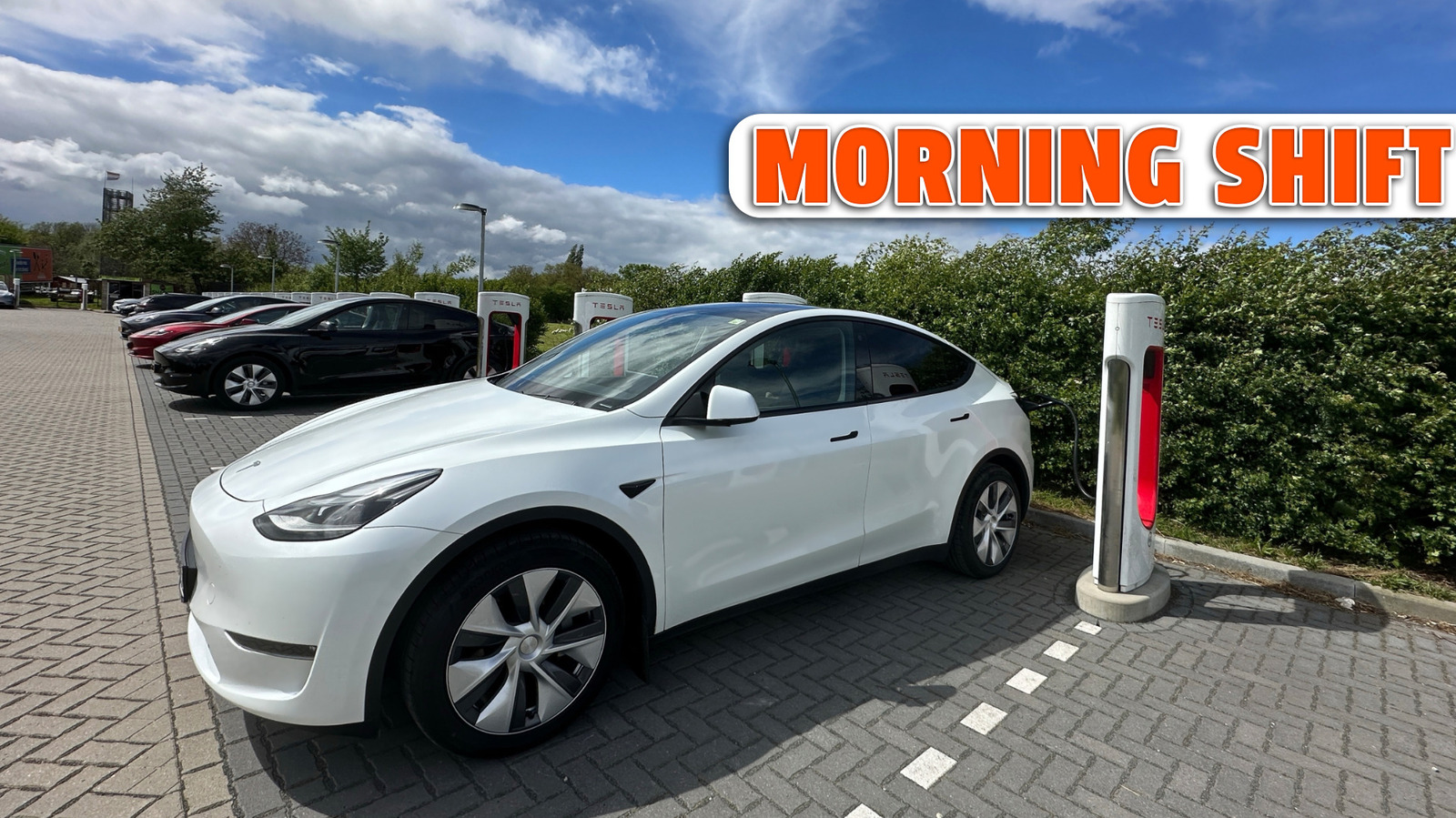
Tesla's push to bring its Full Self-Driving (FSD) beta software to European customers faces regulatory hurdles that have stalled momentum. The company sought approval from European authorities to deploy its advanced driver assistance system across the continent, but the vote on the proposal has been postponed, leaving the timeline for FSD's European rollout in limbo.
The delay reflects broader tensions between Tesla's aggressive autonomous driving claims and European regulatory caution. Unlike the United States, where Tesla operates with minimal federal oversight on autonomous features, Europe enforces stricter safety standards through bodies like the European Commission and individual national transport authorities. These regulators demand extensive real-world testing data, transparent safety metrics, and clear liability frameworks before clearing any autonomous system for public roads. Tesla's FSD beta, despite millions of miles logged by U.S. users, does not automatically satisfy European requirements. The company must prove its system meets European Union safety directives and ISO standards for driver assistance systems.
The hold-up matters because Tesla needs European revenue to offset slowing growth in core markets. Europe represents roughly 20 percent of Tesla's annual vehicle deliveries, with Germany, France, and the UK as major markets. FSD activation as a premium service could generate recurring subscription revenue, a priority for Tesla as it faces margin pressure from price cuts and competition from legacy automakers launching competitive EVs.
The regulatory bottleneck also signals how automakers will navigate autonomous technology rollouts globally. Companies cannot simply replicate U.S. strategies in Europe. Volkswagen, BMW, and Mercedes-Benz all face the same approval hurdles, though they have pursued different paths. Volkswagen partnered with regulatory bodies early and moved cautiously with limited autonomous features. BMW developed its own assisted driving systems designed for European compliance from inception. These legacy manufacturers understand that rushing autonomous claims invites regulatory backlash and potential liability exposure.
The fuel price angle mentioned in the article title connects to a separate but overlapping trend. Automakers reliant on internal combustion engines and high-margin SUVs suffer most when fuel costs spike. Porsche, Lamborghini, and Ferrari see demand drop sharply during fuel crises because their customers face sticker shock at the pump. Toyota and Honda, positioned in efficient sedans and compact vehicles, absorb fuel price volatility better. This dynamic accelerates EV adoption among budget-conscious buyers in Europe, where fuel taxes already run high, making electrification economically rational even before regulatory mandates kick in.
Tesla's FSD hold-up in Europe happens at a moment when the company needs regulatory goodwill most. Expanding autonomy features across the continent would differentiate Tesla from traditional competitors still building autonomous capabilities from scratch. But European authorities show no appetite to rubber-stamp technology that lacks transparency or safety validation. Tesla must choose between accepting Europe's slower approval timeline or investing in localized testing and regulatory engagement. Either path delays FSD revenue generation on the continent and hands traditional automakers additional time to close the autonomous driving gap.