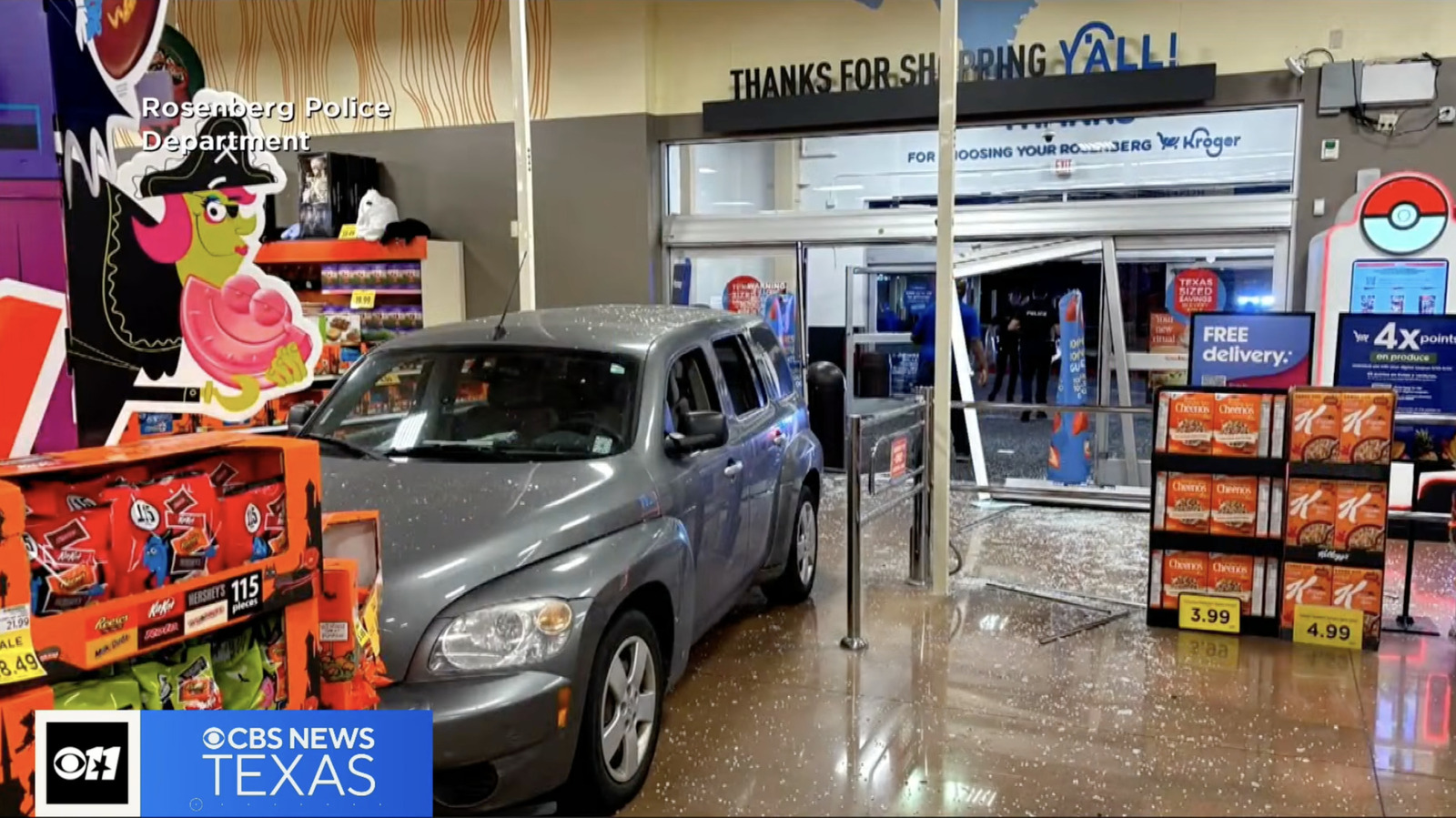
A Chevrolet HHR driver in Texas crashed through the front doors of a Kroger supermarket at 4:30 a.m., claiming an urgent bathroom emergency drove the decision to bypass the entrance entirely. The incident reflects a troubling pattern of driver behavior in commercial spaces that extends far beyond a simple restroom run.
The HHR, Chevrolet's discontinued crossover wagon that production ended in 2011, became the unlikely star of this early-morning mishap. The vehicle breached the store's glass doors with enough force to cause structural damage, a response disproportionate to any bathroom-related urgency. Authorities responded to the scene, though the driver's explanation stretched credibility for most observers.
Grocery stores have become flashpoints for reckless driver incidents across the country. From vehicles plowing through storefronts to cars crashing into parking lots with regularity, these public spaces generate a pattern authorities and safety experts struggle to address. The incidents span from medical emergencies that compromise driver judgment to outright negligence and loss of vehicle control.
The 4:30 a.m. timing raises questions about what circumstances led to someone attempting to access a grocery store at that hour. Most Kroger locations don't open their doors until 6 or 7 a.m., making the driver's entrance timing particularly suspicious. Claiming bathroom access as justification for driving through locked doors tests the limits of reasonable explanation.
The HHR represents a niche corner of Chevrolet's lineup that never achieved the sales momentum the automaker anticipated. Production ran from 2006 to 2011, positioning the vehicle between a traditional sedan and an SUV. The model's boxy proportions and crossover profile made it a target for mixed reviews, though it cultivated a dedicated owner base. That the vehicle found itself at the center of this incident adds an unintended footnote to its automotive history.
Driver behavior in commercial parking lots and store entrances has deteriorated measurably over the past decade. Vehicle strikes against storefronts, pedestrian incidents, and unexplained accelerator issues compound to create liability concerns for retailers. Some establishments have installed protective bollards and barriers, though widespread implementation remains inconsistent.
The Kroger incident joins countless similar occurrences that raise questions about license testing standards, vehicle maintenance requirements, and enforcement of distracted or impaired driving. Whether this particular crash stemmed from medical emergency, mechanical failure, or simply poor decision-making, the outcome remains the same: structural damage, potential injuries, and investigative costs absorbed by the retailer.
Authorities needed to determine whether mechanical failure, health issues, or driver error caused the crash. Store surveillance footage typically provides clear documentation of how and when vehicles breach entrances. The driver's bathroom explanation likely did not survive scrutiny from investigators accustomed to far more plausible explanations for 4:30 a.m. grocery store crashes.