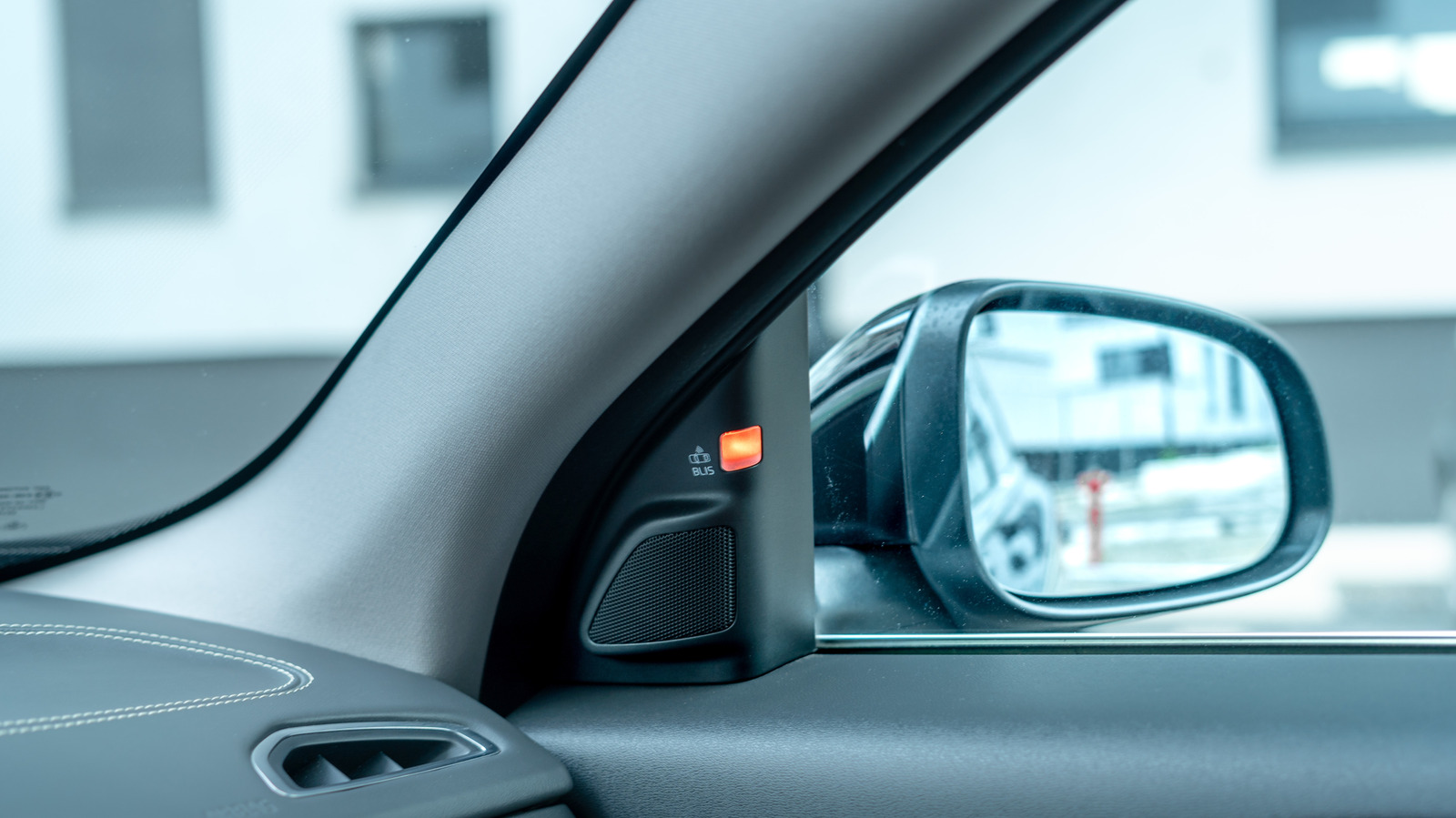
Modern automotive design has created an unintended consequence that safety engineers now openly debate: thickening A-pillars intended to protect occupants in side-impact and rollover crashes now obstruct driver visibility in ways that older, thinner pillars never did.
The A-pillar, the structural support beam that frames the windshield on both sides of the cabin, has grown dramatically thicker over the past two decades. This expansion stems directly from National Highway Traffic Safety Administration (NHTSA) regulations and Insurance Institute for Highway Safety (IIHS) testing protocols that demand increased structural rigidity. When vehicles undergo side-impact testing at 38 mph or rollover simulations, engineers found that thin pillars crumpled too easily. Thickening them became the engineering response.
The problem is geometric and unavoidable. A thicker A-pillar casts a wider blind spot directly in the driver's sightline, precisely where peripheral vision matters most when checking for pedestrians, motorcyclists, or cross-traffic before turning or merging. Safety regulators prioritized internal crash protection over external visibility, creating a paradox where the car becomes safer in a collision but riskier in accident prevention.
Manufacturers have attempted workarounds. Some brands now incorporate camera systems and warning displays that alert drivers to objects in A-pillar blind spots. Others have redesigned cabin layouts to position the pillar slightly rearward, though this reduces interior headroom and cargo space. Advanced driver assistance systems like blind-spot monitoring and pedestrian detection offer partial solutions, but these technologies are expensive, sometimes unreliable, and not universally mandated.
The contradiction becomes sharper when examining real-world crash data. Vehicles do collide with objects and other vehicles, and structural integrity prevents deaths. But side-impact crashes represent only a fraction of total accidents. Visibility-related crashes, including those caused by pillar obstruction, happen constantly in parking lots, intersections, and residential areas. Insurance claim data suggests the safety gains from thicker pillars may not outweigh the increased accident risk from degraded sightlines.
European manufacturers have begun pushing back against the A-pillar thickness trend. Some engineers argue that computer modeling and active safety systems could achieve equivalent crash protection with thinner pillars reinforced at strategic points rather than thickened uniformly across the entire structure. Regulatory bodies in Europe appear more receptive to this approach than their American counterparts.
The real solution likely requires updated safety standards that account for modern technology. Regulators could mandate A-pillar visibility standards alongside crash standards, forcing manufacturers to meet both requirements simultaneously. Alternatively, the proliferation of standard cameras and sensor arrays could allow regulators to accept thinner pillars provided vehicles have functioning blind-spot detection systems.
Until that recalibration occurs, drivers will continue adjusting their driving habits around thicker pillars. Many experienced drivers now shift their heads more deliberately when approaching intersections, compensating for visibility loss that earlier generations never encountered. This workaround places the burden on individual drivers rather than on regulatory frameworks designed to protect everyone equally.