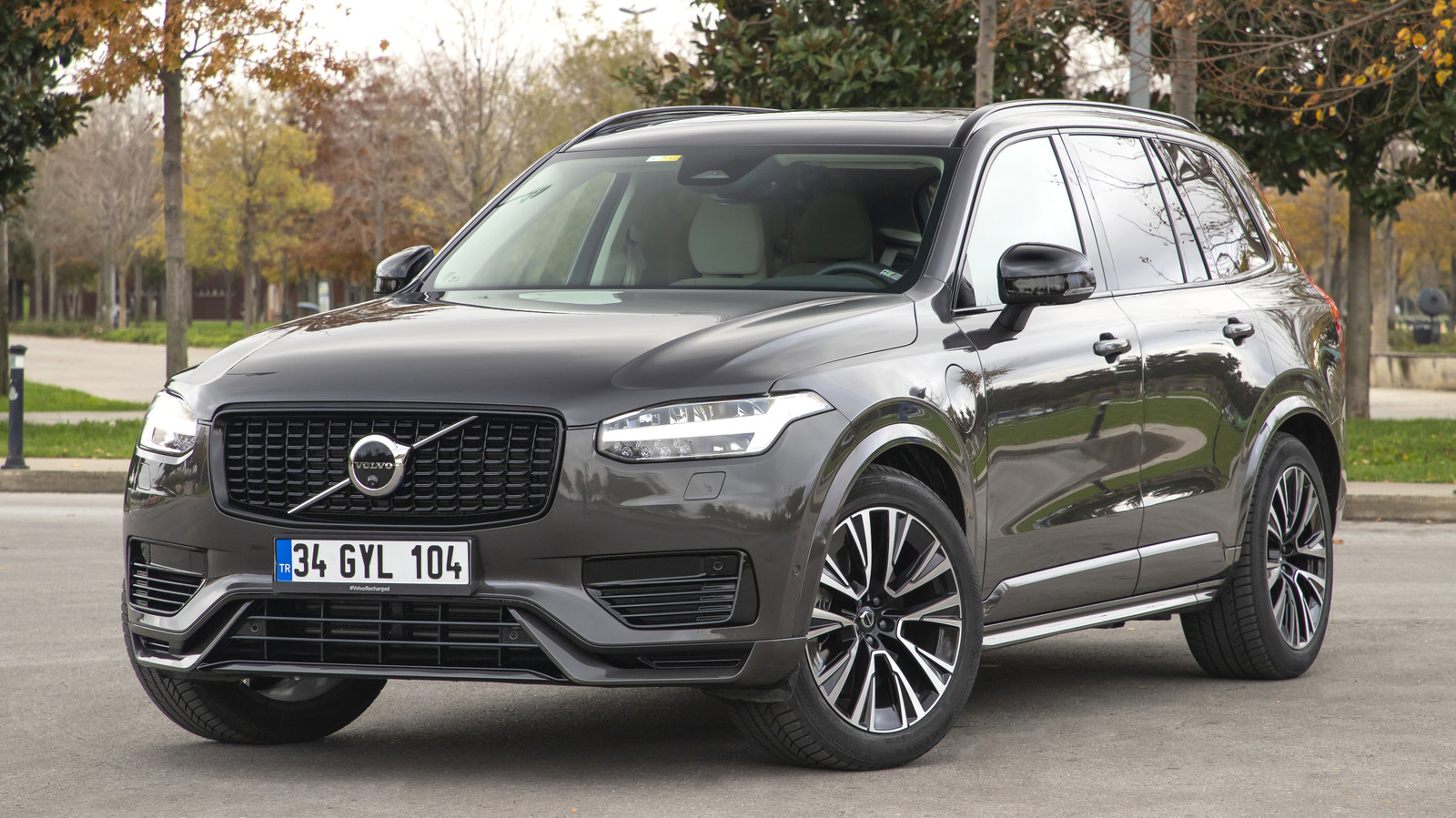
The used vehicle market has undergone a seismic shift since 2020, with depreciation curves flattening and secondary market prices climbing steadily. Yet the trend doesn't apply universally. Five specific models have resisted the broad surge in pre-owned valuations, maintaining relatively stable asking prices compared to their pre-pandemic levels.
This counterintuitive pattern reflects deeper market mechanics at work. When new vehicle production cratered during the pandemic, dealers and private sellers faced artificially constrained supply of used inventory. Simultaneously, consumer demand for vehicles surged as people avoided public transit. The combination pushed used prices to historically high levels. Many models saw five-year-old specimens command prices closer to their original MSRP than ever before.
The five vehicles bucking this trend reveal important truths about brand reputation, model cycle timing, and consumer demand elasticity. Models that experienced significant redesigns after 2020 often saw their older generations depreciate faster. Others fell victim to changing consumer preferences or a reputation for reliability issues that became more pronounced as mileage accumulated.
The market's memory matters here. Pre-2020 model year vehicles now carry the stain of age and accumulation. A 2015 sedan or crossover trading today carries real concerns about transmission longevity, electronics reliability, and whether major repairs loom. Buyers increasingly view anything pre-2018 with skepticism, even if the specific model has a solid track record. That psychological shift alone drives down valuations for certain vehicles, particularly those in segments experiencing rapid technology adoption or those competing against newer models with substantively better drivetrains.
Brand perception plays an outsized role. Manufacturers that invested heavily in new platforms, interior technology, and efficiency improvements post-2020 saw their older models age out faster psychologically. Their used counterparts face steeper competition from fresher alternatives at comparable or only slightly higher prices. Buyers shopping used often calculate the marginal difference between a 2018 model and a 2022 model, and if that gap narrows below $3,000 or $4,000, the newer vehicle's warranty and fresher technology win.
Segment dynamics amplify the effect. Trucks and large SUVs generally hold value better than sedans, yet some pre-owned trucks from the late 2010s have stabilized in price precisely because their newer counterparts cost so much. A buyer facing a $45,000 used 2018 F-150 or a $52,000 used 2022 F-150 may simply walk away from both and purchase elsewhere. That consumer resistance creates price floors for older models.
Mechanical concerns also separate the five outliers. Models with known transmission weakness, electrical gremlins, or rust vulnerability from their era naturally depreciate further than peers. Buyers did their research. Reviews published after 2020 revealed problems that earlier owners had masked or overlooked. Current market prices reflect that accumulated knowledge.
The five vehicles bucking the trend demonstrate that the used market isn't monolithic. Broad trends dominate, but individual model success or failure depends on age, redesign timing, reliability reputation, and how harshly newer competitors have undercut their prices. Smart used buyers should hunt within these countertrend models, where valuations remain rational rather than inflated by artificial scarcity.