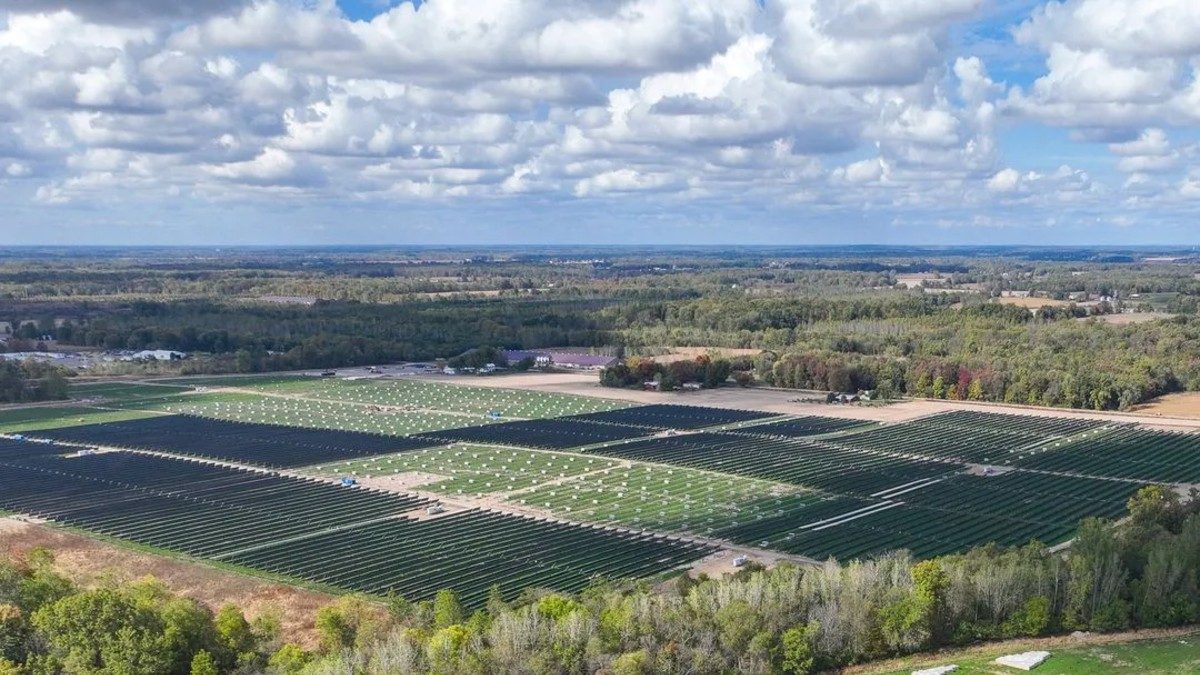
Ford has partnered with Detroit-based energy company DTE Energy to tap into a newly completed 100-megawatt solar farm near Coldwater, Michigan. The facility will supply cleaner electricity to Ford's manufacturing operations throughout Michigan, aligning with the automaker's broader commitment to renewable energy sources for its production footprint.
DTE Energy completed construction of the solar installation, which represents a substantial renewable generation asset in the region. The partnership reflects Ford's strategy to reduce its reliance on conventional grid power and lower the carbon intensity of its vehicle manufacturing process.
Solar energy generation has become an increasingly common tool for major automakers seeking to meet environmental targets and lower long-term energy costs at manufacturing plants. Michigan's industrial base, including Ford's extensive factory network, requires substantial electrical input, making large-scale renewable projects like this one important components of corporate sustainability plans.
The timing of the solar farm's completion comes as Ford continues investments in electrified vehicle production and manufacturing efficiency. Access to renewable power sources helps automakers offset emissions associated with factory operations, a key metric tracked by environmental groups and investors evaluating corporate environmental performance.
Ford operates multiple manufacturing facilities throughout Michigan, including plants that produce both traditional and electric vehicles. Securing dedicated access to utility-scale solar generation provides the company with a more predictable long-term energy cost structure compared to wholesale grid pricing.
The 100-megawatt capacity of the Coldwater facility represents substantial generating capability. For context, utility-scale solar farms typically operate in the 50 to 300-megawatt range depending on land availability and regional power demand. DTE Energy's completion of the project adds to Michigan's growing solar infrastructure, though the state remains significantly dependent on natural gas and nuclear generation for overall power supply.
Ford's backing of the project underscores how major manufacturers are directly investing in or contracting for renewable energy infrastructure to meet production needs. These arrangements often involve