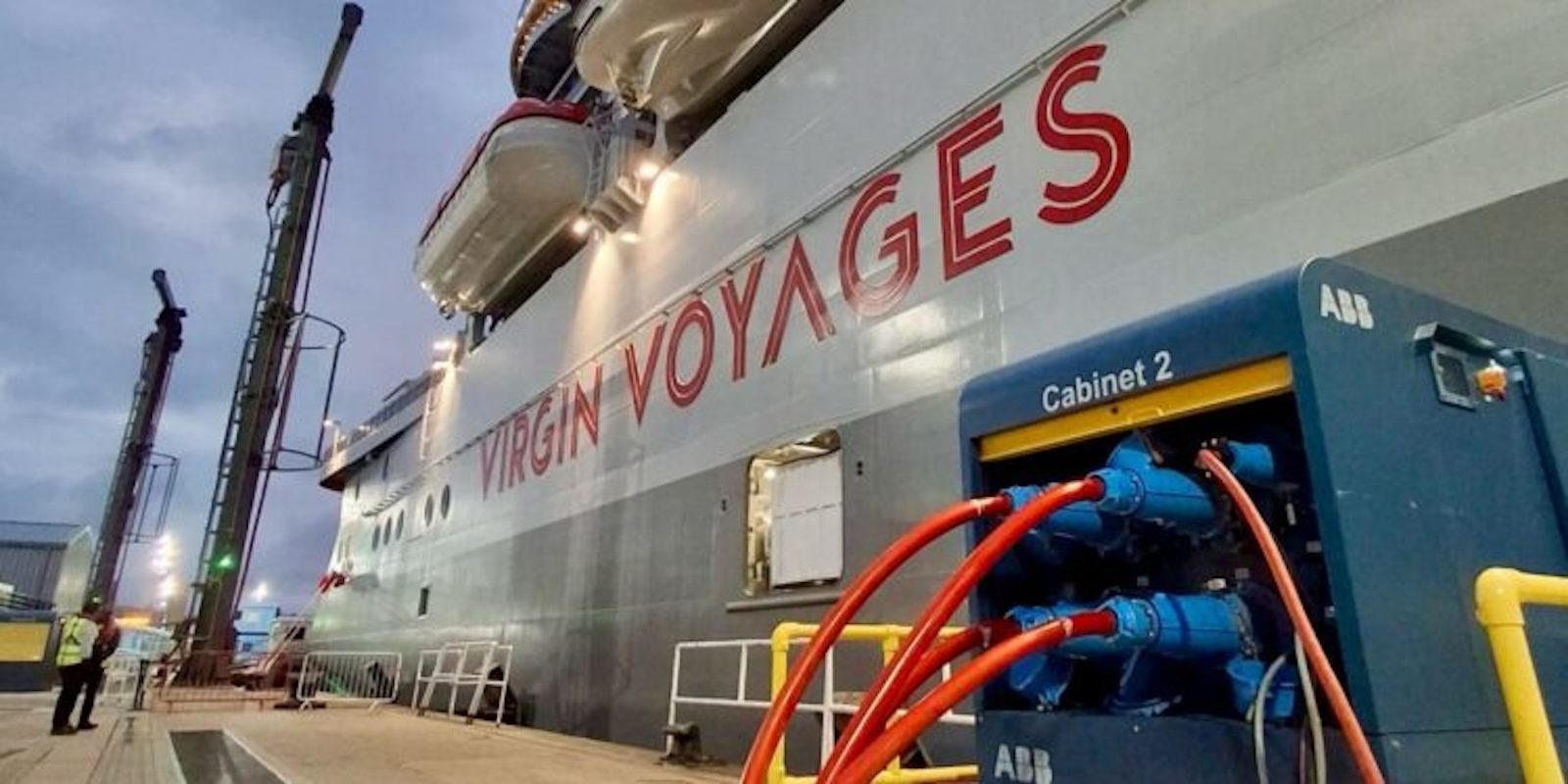
Portsmouth International Port has launched the UK's first high-voltage, multi-berth shore power system, enabling docked ships to connect to grid electricity and power down their on-board generators while stationary. The infrastructure addresses a significant source of port air pollution from idling marine engines.
Shore power delivers clear environmental and economic benefits in theory. Ships connecting to grid power eliminate emissions from diesel generators during dock time and reduce fuel consumption substantially. For ports managing air quality concerns and operating costs, the technology offers measurable improvements.
Implementation presents complications. Adoption of shore power infrastructure depends on vessel operator participation and investment decisions. Not all ships have compatible connection systems. Shipping companies must weigh the costs of retrofitting vessels or building new ones with shore power capability against fuel savings and operational benefits. Ports face infrastructure expenses, and vessels must remain docked long enough to justify connection time.
Portsmouth's deployment represents a significant infrastructure milestone for UK maritime operations. The multi-berth system allows simultaneous connections at multiple dock positions, increasing operational flexibility compared to single-connection installations. High-voltage capability supports larger vessels and faster charging times.
The technology has proven effective in other international ports where adoption rates have grown. However, voluntary participation means actual emissions reductions depend on how many operators choose to use available infrastructure. Some vessels may lack compatible equipment. Others may find operational schedules incompatible with available shore power connections.
Shipping decarbonization requires coordinated action across multiple fronts. Shore power addresses idle-time emissions specifically and complements other strategies including fuel switching, hull optimization, and propulsion technology upgrades. Success depends on spreading infrastructure investment across more ports while encouraging fleet modifications to enable connection capability.
Portsmouth's system demonstrates technical feasibility and operational viability. The port's willingness to invest in the infrastructure signals confidence in future demand. Broader adoption across UK and European ports could drive meaningful emissions reductions in maritime transport, though individual operator