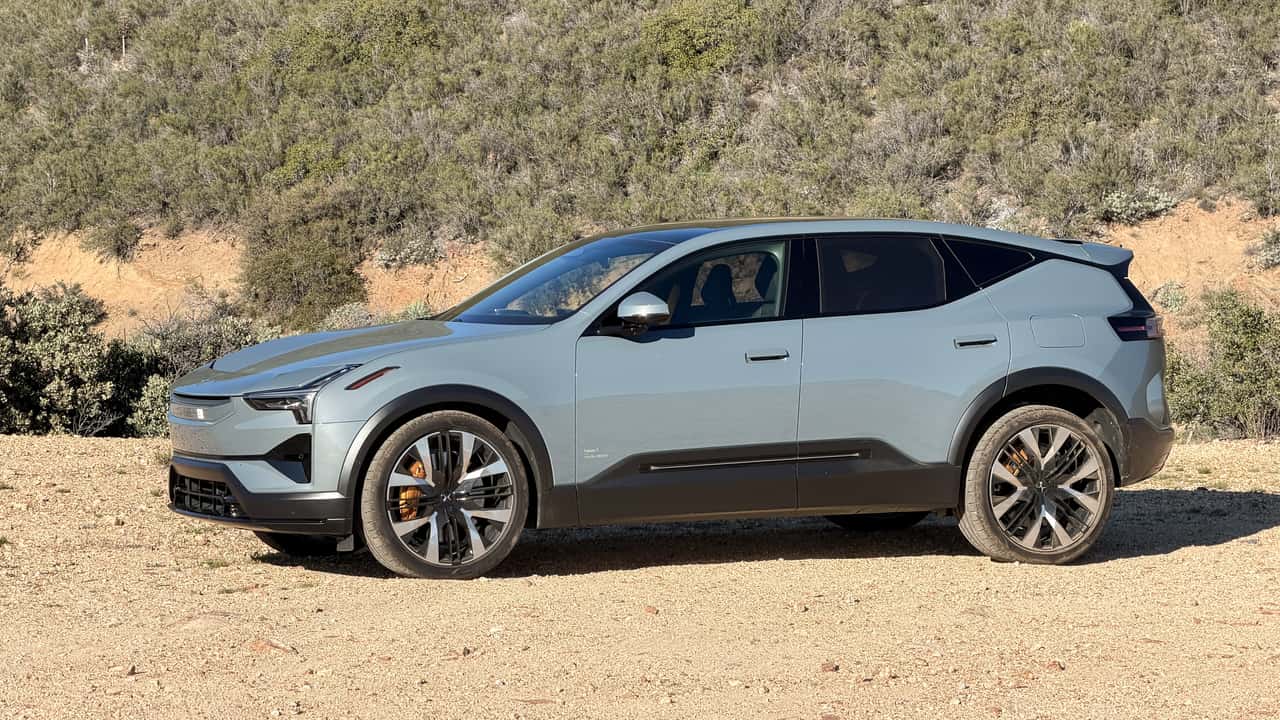
Polestar reported record sales driven largely by American customers, even as the electric vehicle maker faces business headwinds in other markets. The Swedish-Chinese automaker's strong U.S. performance contrasts sharply with declining sales in regions outside North America, underscoring the challenge of building a truly global EV brand.
Polestar's reliance on the American market intensified as operations weakened internationally. The company's expansion strategy hinged on establishing a foothold across multiple continents, but recent results reveal uneven adoption and competitive pressures outside the U.S. market.
The company faced particular difficulties in markets where it had expected strong demand, raising questions about its ability to diversify revenue streams beyond North America. Polestar's performance gap between the U.S. and other regions reflects broader challenges facing premium EV startups attempting to compete globally against established automakers and rising Chinese competitors.
Despite international headwinds, Polestar's American success provided financial runway and market validation. The U.S. represents a critical anchor for the brand as it navigates shifting global trade dynamics and evolving regulatory landscapes.
Polestar's trajectory illustrates a fundamental risk for independent EV makers. Heavy concentration in any single market, even a large one like the United States, creates vulnerability to policy changes, economic downturns, or shifting consumer preferences. The company's ability to stabilize sales outside North America remains critical to long-term viability.
The contrast between Polestar's American momentum and international struggles offers a cautionary tale about geographic diversification. Premium EV startups must succeed across multiple markets simultaneously to achieve the scale necessary for sustainable profitability. Polestar's record U.S. sales mask deeper questions about whether the brand can establish durable demand beyond its home base in North America.