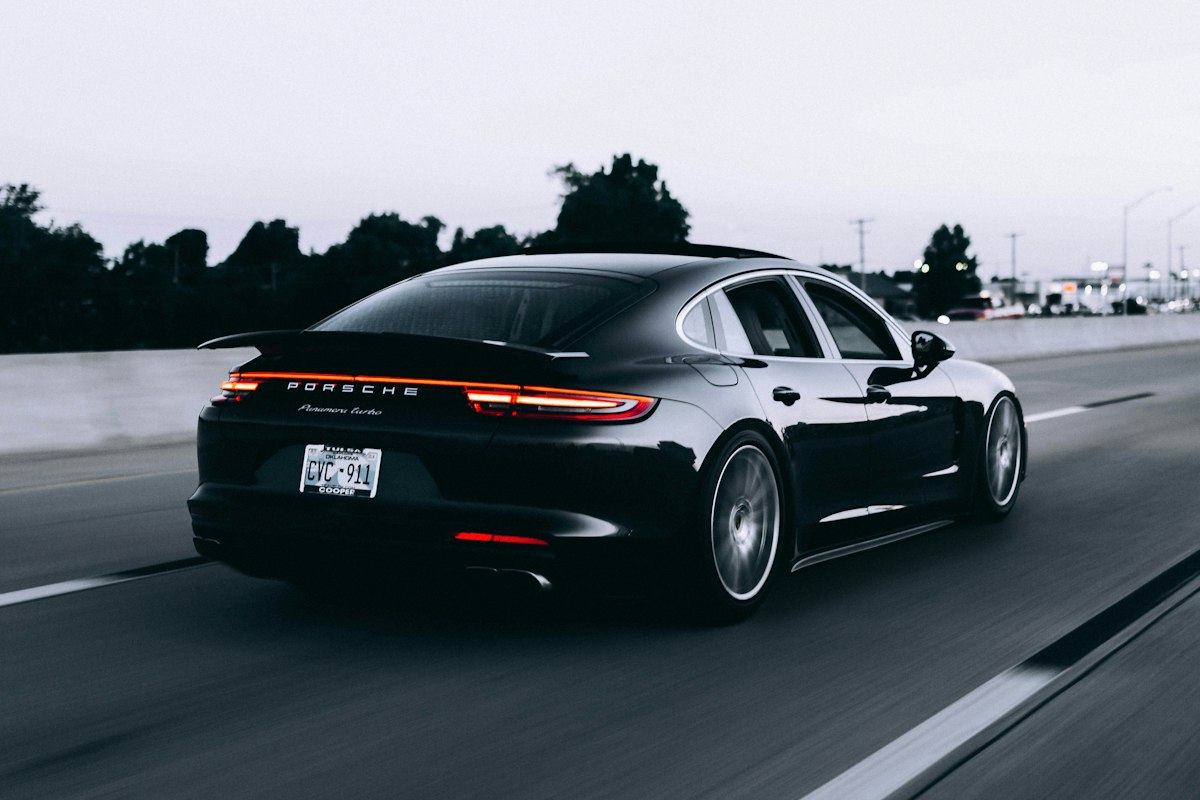
After nearly 25 years at Porsche, Dr Michael Steiner's departure from the Executive Board in May 2027 marks the end of an engineering tenure that shaped the brand's most iconic recent models. His achievements are undeniable—the 911's 991 and 992 generations, the 800V Taycan, and the T-Hybrid powertrain bear his fingerprints. Yet Porsche's decision to recruit Jörg Bartels from Mercedes-Benz, rather than promote internally, reveals something crucial: the company recognizes that navigating the automotive industry's next chapter requires perspectives its current leadership may not possess.
Bartels brings exactly what Porsche needs right now. At 52, he runs global powertrain development at Mercedes-Benz and previously led its Chinese joint venture, Beijing Benz Automotive. This combination of powertrain expertise and hands-on experience in the world's largest automotive market is precisely what the Sportwagenschmiede '35 strategy demands. Steiner helped shape this vision, but Chief Executive Michael Leiters has made clear the incoming R&D leader will push forward with a realignment already under way. Translation: fresh eyes are required.
The appointment of an outsider is not a slight to Steiner's legacy—it's an acknowledgment that his strengths may not align with what comes next. Steiner's oversight of the brand's transition to electric mobility was admirable, yet Tesla and Chinese EV makers have redefined what powertrain innovation looks like. Mercedes-Benz's global perspective on battery technology, platform efficiency, and meeting Chinese consumer demands differently than European ones gives Bartels advantages Steiner's internal pedigree cannot match.
What makes this transition particularly smart is timing. Steiner becomes Deputy Chairman in 2025, suggesting Porsche could have kept him on the R&D board indefinitely. Instead, leadership is choosing stability through succession rather than sudden disruption. May 2027 gives Bartels time to acclimate while Steiner remains available if needed during the handoff.
Dr Wolfgang Porsche's statement praising Steiner's 'brand-defining innovations' and 'countless victories on the world's legendary race tracks' is appropriate and earned. But Porsche's future belongs neither to those victories nor to the engineers who won them. The company is betting that Bartels' powertrain mastery and China experience will carry Porsche's core identity forward into an era where electric motors, not naturally aspirated engines, define performance. That's not sentiment—that's strategy.