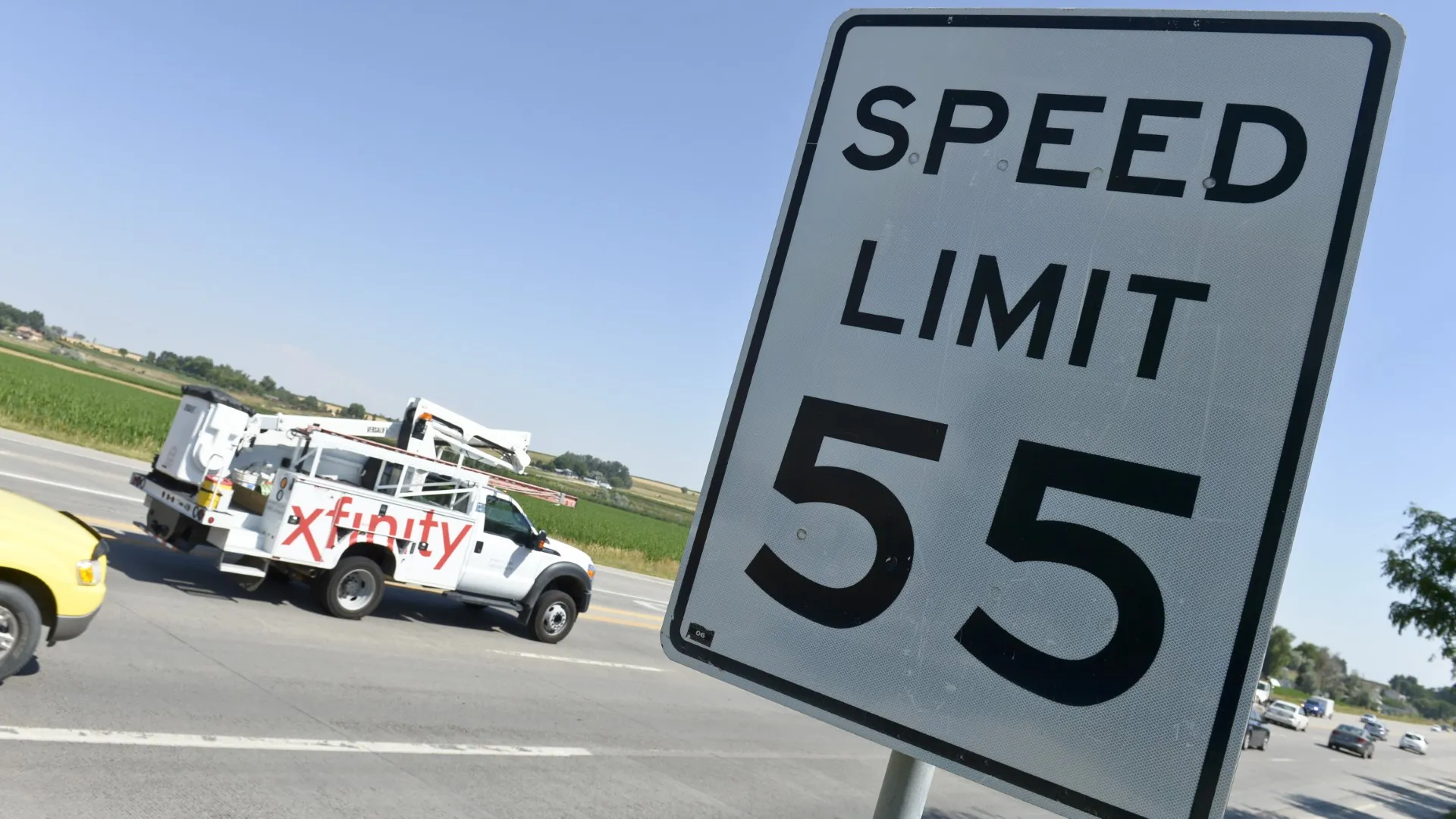
Virginia became the first state to implement a speed-governing device program for habitual speeders last year, joining several other states and the District of Columbia that passed enabling legislation. The devices interface with a car's onboard computer to prevent acceleration beyond the posted speed limit, similar to how DUI interlock systems work.
The technology includes an override feature that allows drivers to exceed the limit by 5 mph for 30 seconds, usable twice per key cycle. This is designed for merging and emergency situations. However, the devices cannot apply brakes or kill the engine.
About 100 Virginia drivers received the devices after reckless driving convictions. The rollout has encountered obstacles, particularly GPS accuracy issues. Some drivers reported GPS drift, where the device incorrectly registers the vehicle on a different road with a lower speed limit than the actual highway being traveled.
Despite these problems, program advocates argue the approach is preferable to alternatives. Suspended drivers often simply drive illegally, and speed limiters cost significantly less than incarceration for speeding violations. When offered a choice between commute-only license restrictions and speed limiters, offenders tend to select the devices.
The devices must be installed in every car the offender operates. Tampering with or removing the device can result in jail time. At least one Virginia offender already faced consequences for attempting to disable the hardware.
Washington, New Mexico, Georgia, Illinois, and Maryland are implementing similar programs. New York City is launching its own version, with the rest of the state not participating. North Carolina, Tennessee, and 10 other states have introduced comparable legislation.