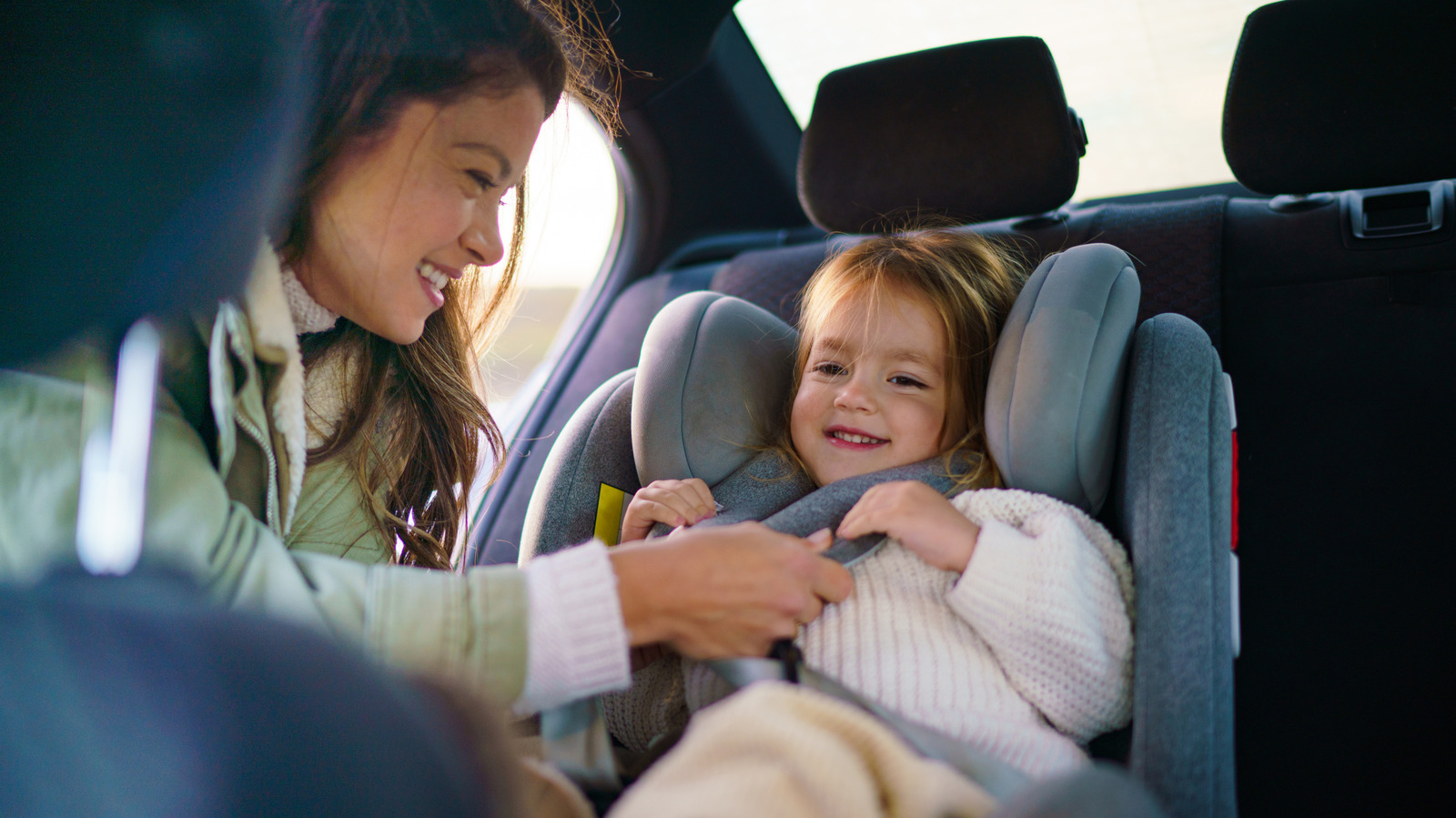
Child fatalities in car-related incidents have dropped 78% since 1975, falling from 3,643 deaths in that year to about 800 in 2024, according to Insurance Institute for Highway Safety data. The decline reflects adoption of safety features designed to protect children in accidents and prevent crashes.
General Motors introduced the rear-seat reminder system in 2016, debuting it on the 2017 GMC Acadia. The feature detects when rear doors open before or during a trip and chimes both visual and audible reminders on the dashboard at the journey's end. Children's bodies heat up three to five times faster than adults, making rear-seat reminders critical to prevent heatstroke deaths. In 2024, 39 children under 15 died from being left in hot cars.
Hyundai, Kia, and Genesis vehicles use more advanced rear occupant sensing systems with ultrasonic or radar-based sensors to detect movement in the back seat after the car locks. These systems sound the horn, flash hazard lights, and send mobile app notifications to alert drivers. BYD integrates child presence detection with the car's HVAC system in models like the BYD Dolphin electric hatchback, automatically turning on air conditioning to maintain safe cabin temperatures.
Electronic child safety locks prevent children from opening doors or windows while the vehicle moves. Safe exit assist systems with door opening control use radar sensors to detect approaching vehicles or bicycles and automatically lock the door while sounding an alarm. BMW offers this feature standard on the iX3. Hyundai, Kia, Genesis, Subaru, Audi, and Lexus also include it.
Blind spots contribute to pedestrian accidents, with at least 50 American children injured or killed weekly in back-over incidents. Carmakers offer blind-spot monitors, backup cameras, and 360-degree camera systems to improve visibility. The 360-degree camera captures every angle around the vehicle.
The LATCH system, made mandatory in 2002, provides universal anchor points for child car seats. Approximately 70% of seats installed with vehicle seatbelts are secured incorrectly, while up to 95% of LATCH installations are done properly. Child safety seats reduce fatal injury by 71% for infants and 54% for toddlers, according to the National Highway Traffic Safety Administration.