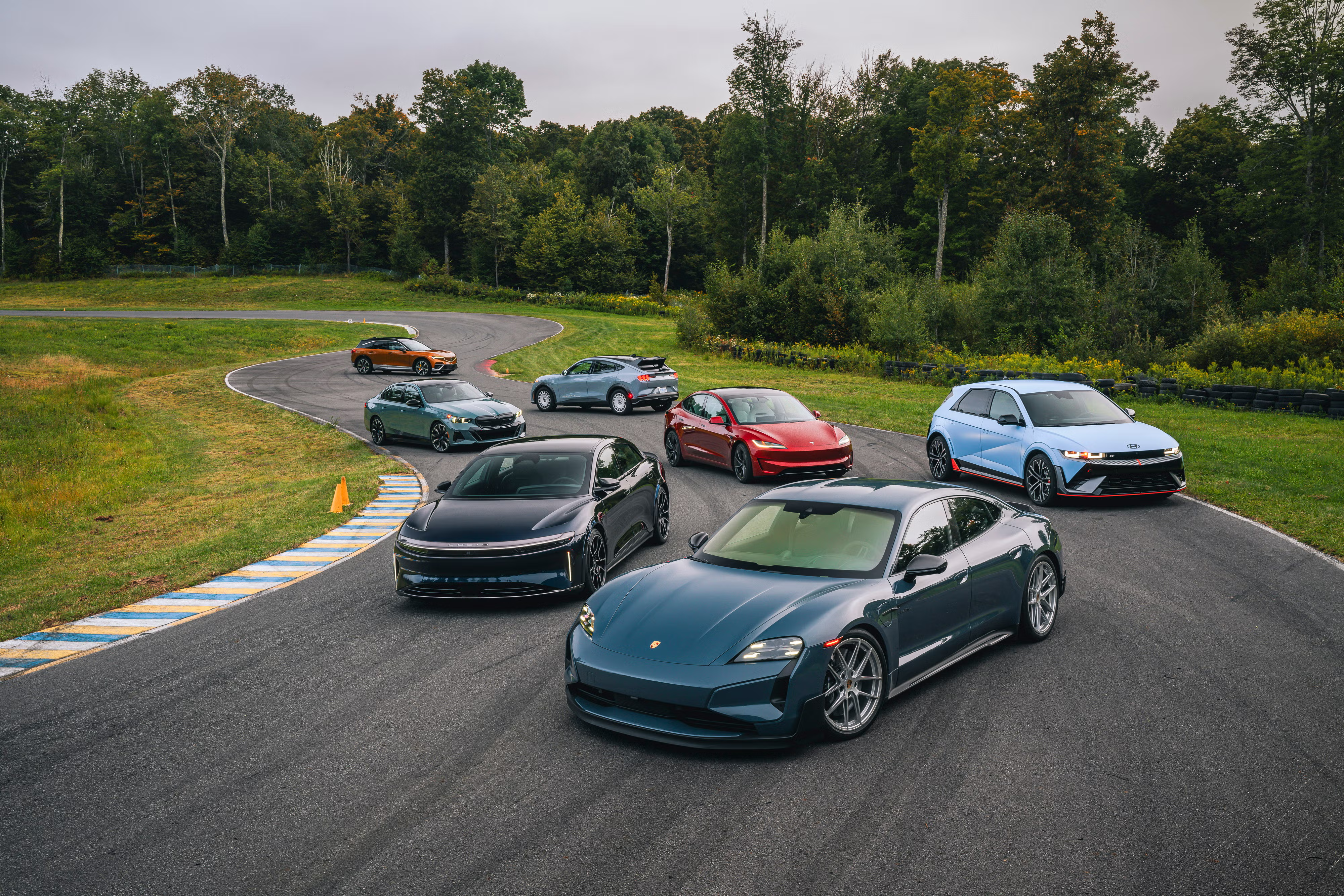
Electric vehicles account for 31 percent of global new passenger vehicle sales, according to Commonwealth Bank of Australia data. This growth masks sharp regional divides.
Europe leads adoption, with EVs climbing to 43 percent of new vehicle sales this year, up 37 percent year over year. Brazil saw EV sales jump 164 percent to reach 13 percent market share, while India posted 76 percent growth to 9 percent. Japan's EV sales rose 80 percent to 5 percent of the market, despite manufacturers historically resisting electrification. China, the previous driver of global EV growth, saw sales decline.
The United States moved in the opposite direction. EV sales fell to 6.4 percent of the new car market in Q3 2026, down from over 10 percent in Q3 2025, according to Cox Automotive. The decline followed elimination of the $7500 federal tax credit, which had spurred leasing sales before expiration. Elevated fuel prices pushed American buyers toward hybrids instead of fully electric vehicles. Electrified vehicles overall now make up nearly 25 percent of the U.S. market.
Trump administration policies directly caused much of the American decline. The administration eliminated the federal EV tax credit and effectively halted enforcement of CAFE standards, which would have forced manufacturers to sell EVs to avoid fines. Congress is also considering an annual federal tax on electric cars. U.S. laws and tariffs block imports of affordable Chinese-made EVs, vehicles that have driven European sales growth.