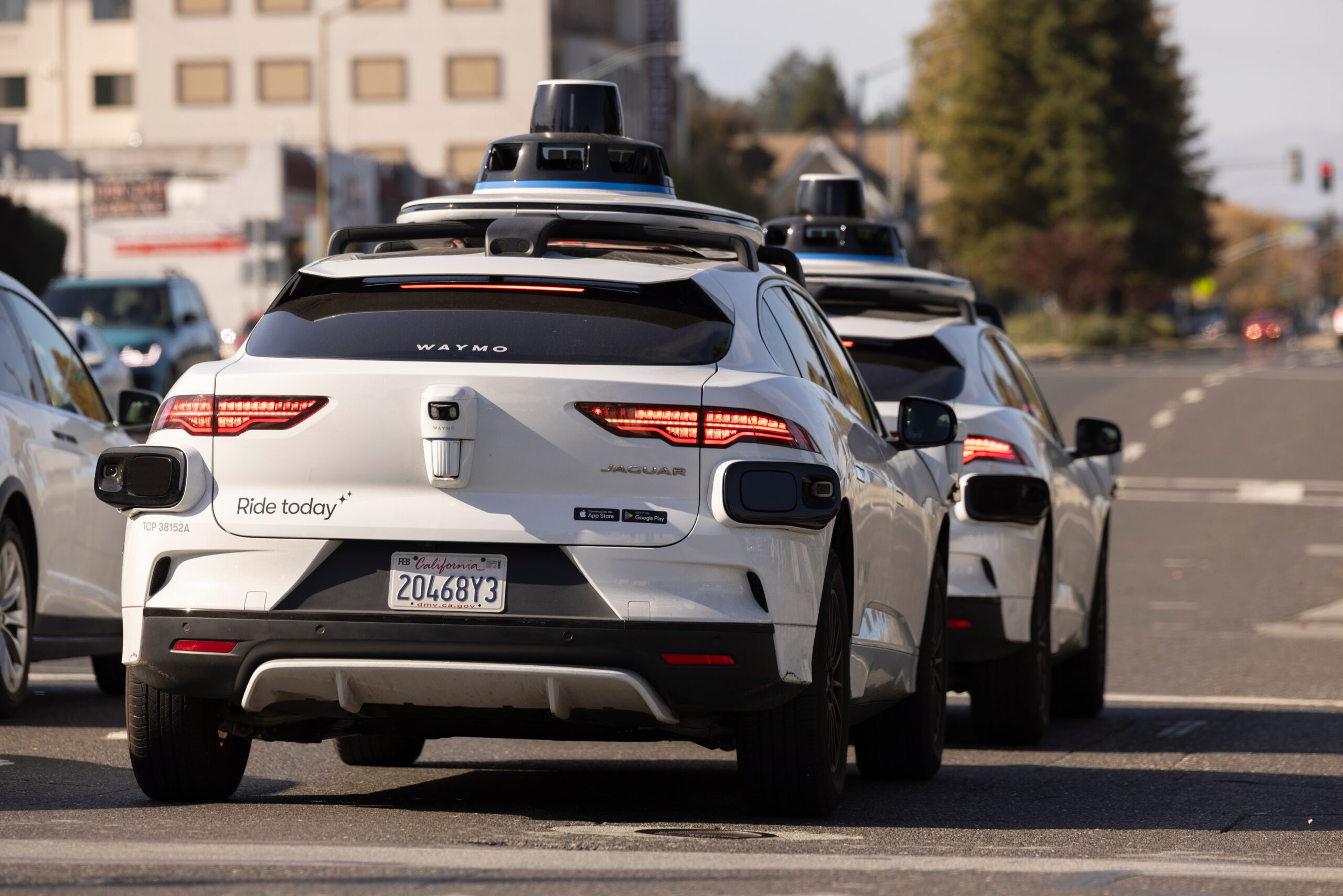
California enacted SB 1246, signed by Governor Gavin Newsom on September 30, to set operational rules for autonomous vehicles statewide. The law takes effect July 1, 2028 and applies to all AV manufacturers.
Under the new rules, AV operators must dispatch local incident technicians immediately whenever a vehicle breaks down, blocks traffic, obstructs emergency access, or creates a road hazard. The Department of Motor Vehicles will set response time standards. Operators must acknowledge emergency geofencing messages within two minutes.
Remote drivers and assistants must be US-based, hold valid California licenses, and maintain enough communications capacity to respond immediately to peak demand. For fleetwide emergencies or system failures, manufacturers must notify affected local jurisdictions and send technicians where remote recovery fails.
Commercial AVs without manual controls must be capable of remote neutral engagement, movement, or shutdown at emergency officials' direction. The DMV cannot approve vehicles that lack these capabilities.
Violations carry steep penalties. Operators face fines up to $5,000 per violation for failing to dispatch technicians or report fleetwide incidents. Commercial AVs that obstruct emergency or law enforcement operations for more than 30 minutes after a technician is requested face fines up to $10,000 per vehicle. Manufacturers must report incident and response data quarterly to the DMV, which will publish summary statistics by company.
The enforcement mechanism represents a major shift. SB 1246 allows city attorneys and county counsel to bring civil actions against operators, breaking the state's near-monopoly on AV oversight and exposing operators to enforcement in every city they serve.
The law comes as the DMV has taken a harder line with operators. It recently banned Waymo's driverless taxis from state freeways over construction-zone incursions and an incident involving a Highway Patrol traffic break.