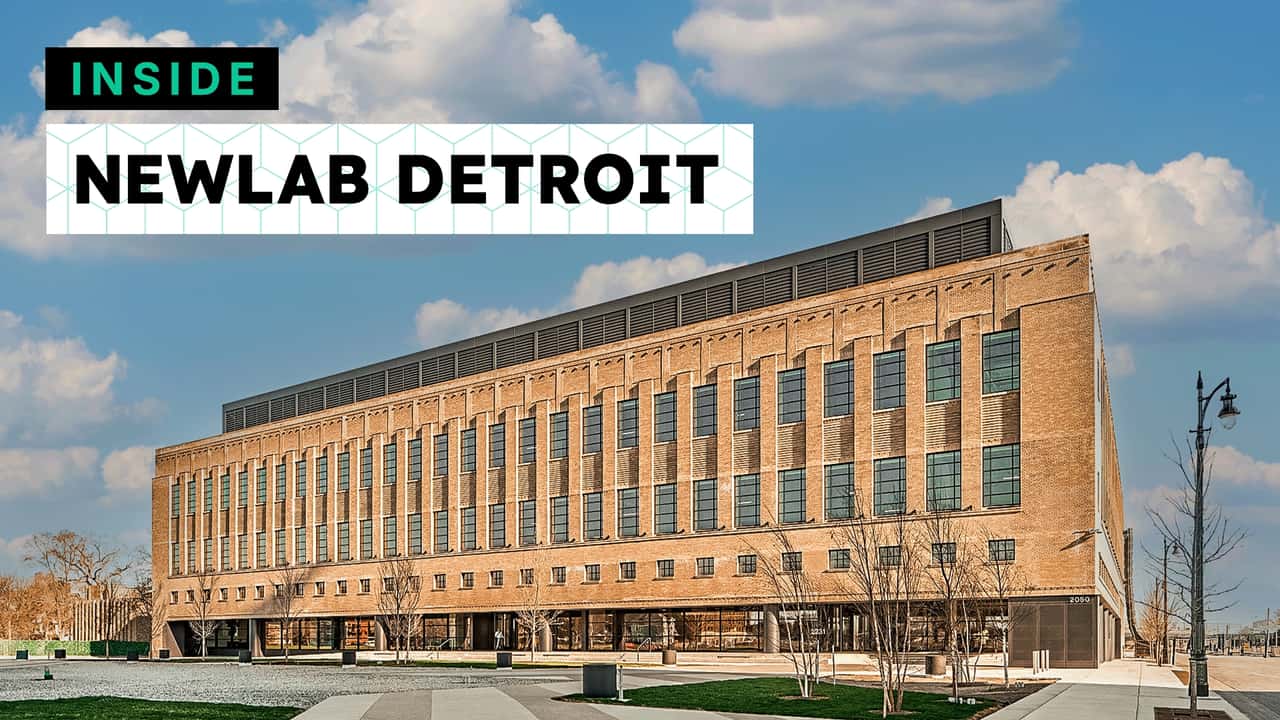
Ford invested $1 billion to transform the abandoned Michigan Central train station in Detroit into Newlab, a technology hub designed to accelerate the automaker's pivot toward autonomous vehicles and software development. The project signals Ford's commitment to competing in mobility services beyond traditional vehicle manufacturing.
The restored 1913 Beaux-Arts building now houses engineers, designers, and entrepreneurs working on connected car technology, autonomous driving systems, and electric vehicle platforms. Ford partners with local startups and tech companies through the hub, tapping Detroit talent while positioning itself against Tesla and established tech firms in the autonomous race.
The investment reflects Detroit's broader resurgence and Ford's recognition that winning the EV and autonomy wars requires more than just manufacturing prowess. Hardware matters less when software defines the product. Ford acknowledged this reality by establishing Newlab rather than relying solely on traditional R&D facilities.
The company faces real pressure. Legacy automakers lose market share to Tesla daily, while Chinese EV makers like BYD dominate volume sales. Newlab represents Ford's attempt to rebuild credibility in technology innovation, not just engineering excellence.
Whether $1 billion transforms Ford's competitive position remains uncertain. The hub's success depends on delivering tangible autonomous and software breakthroughs, not just creating an impressive office space in a historic building.