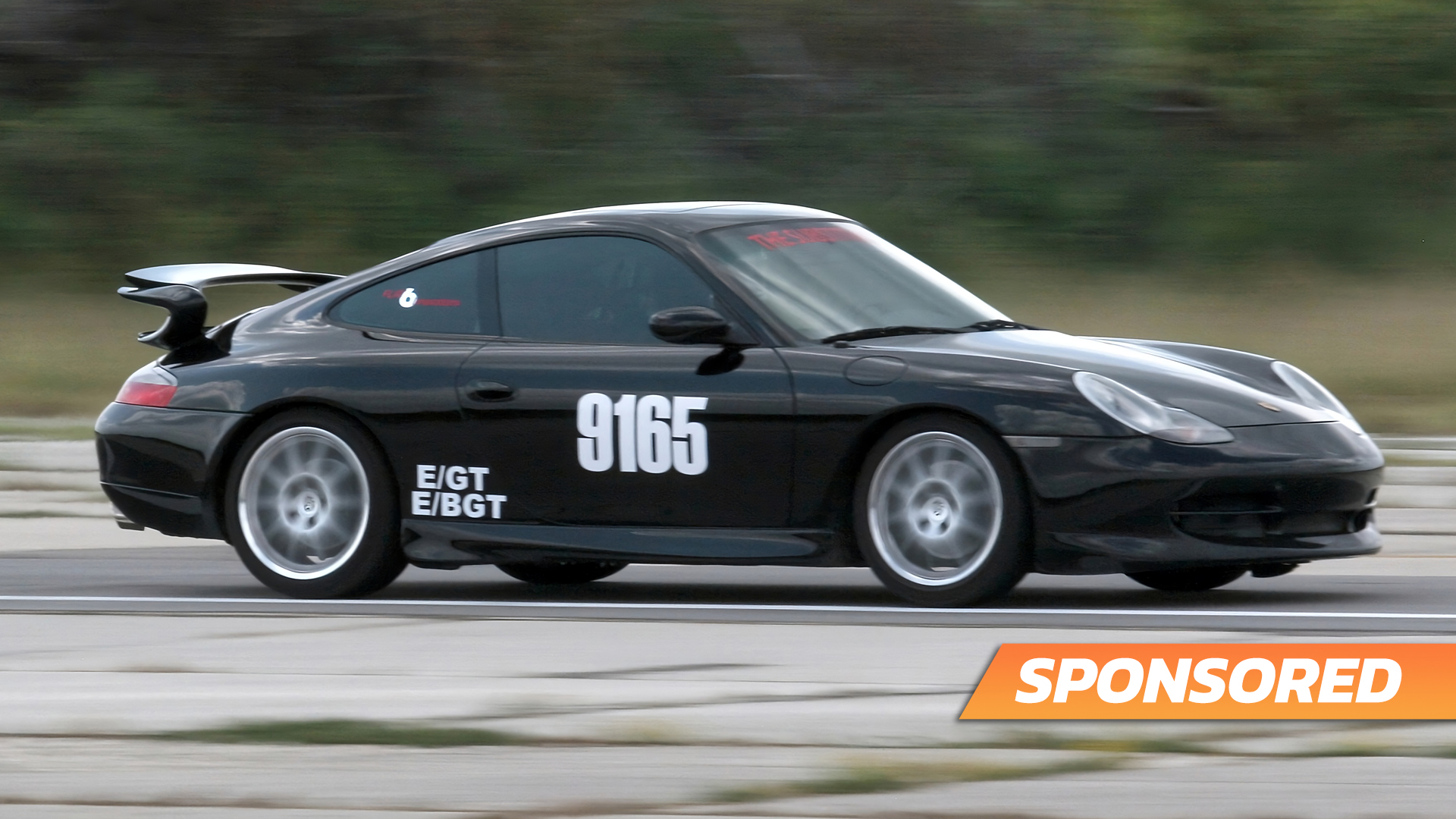
Porsche owners face a persistent mechanical nightmare: bore scoring, a cylinder wall defect that destroys engines from the inside out. The problem kills rod bearings, cracks cylinder walls, and damages crankshafts and pistons, turning otherwise healthy cars into expensive repair cases.
Bore scoring occurs when the cylinder walls develop microscopic grooves and pitting. Metal particles generated during this degradation circulate through the oil, accelerating wear on bearing surfaces. Rod bearings fail first, triggering catastrophic engine damage if drivers don't catch the problem early. Once scoring progresses, pistons stick, rings break, and cylinders crack beyond economical repair.
The issue spans multiple Porsche generations, affecting both air-cooled and water-cooled engines. It traces back to manufacturing processes, material composition, and inadequate oil circulation in certain engine designs. Some model years show higher failure rates than others, but no generation remains entirely immune.
Porsche has acknowledged the problem in technical bulletins and extended warranty coverage for affected units, though the company stopped short of issuing formal recalls. Owner forums reveal anecdotal evidence of failures occurring as early as 20,000 miles on new cars, though most manifest between 40,000 and 100,000 miles. Engine rebuilds or replacements run $15,000 to $30,000, depending on labor rates and parts availability.
Prevention centers on aggressive maintenance. Porsche recommends frequent oil changes, quality synthetic lubricants, and regular inspections for metal particles in the oil via spectrometric analysis. Dealers now perform borescope inspections on high-risk models during service intervals.
The bore scoring issue exemplifies a broader challenge in automotive engineering. Design decisions made during development can hide flaws that only surface after thousands of cars reach owners' hands. Porsche's response reflects the tension between acknowledging defects