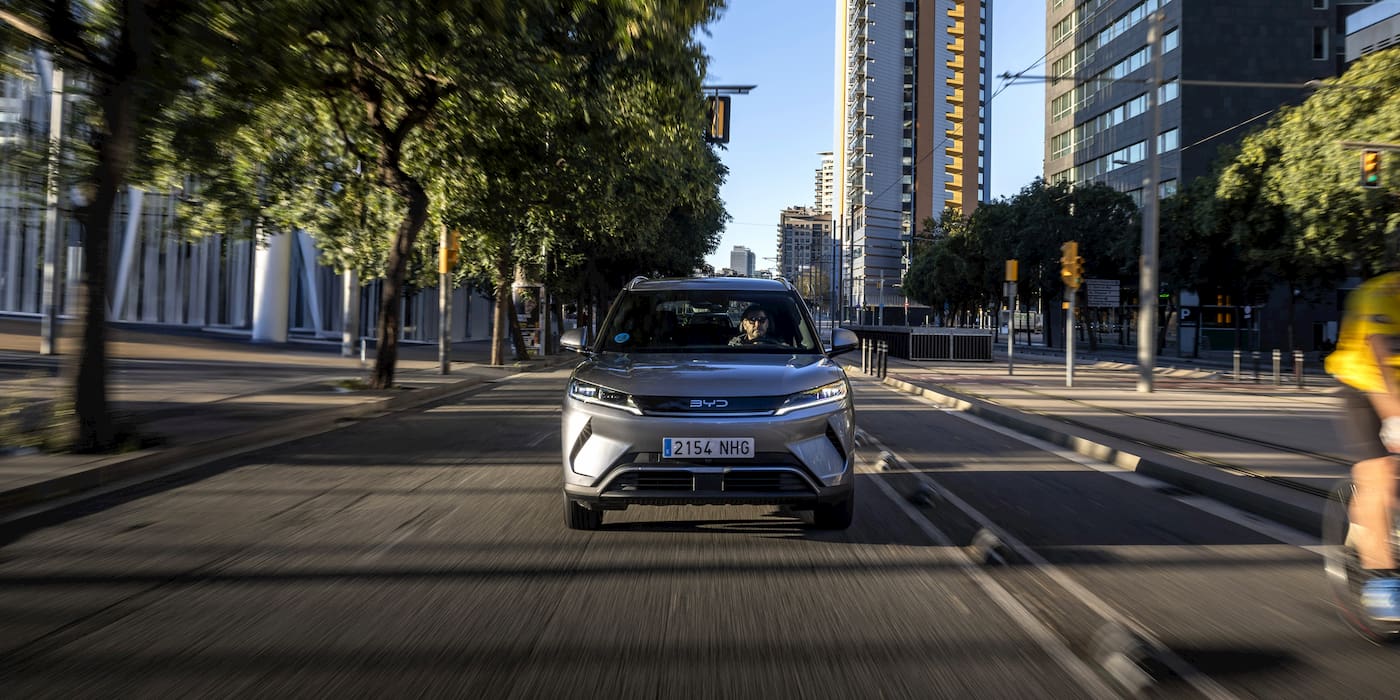
BYD is aggressively pursuing acquisitions of underutilized European manufacturing plants to accelerate its global EV expansion. Executive vice president Stella Li confirmed the Chinese automaker is in active negotiations with Stellantis and pursuing talks with additional legacy automakers about plant takeovers.
The move reflects BYD's strategy to capitalize on surging EV demand in Europe while legacy manufacturers still operate factories below capacity. Rather than building greenfield facilities, BYD targets existing plants that established carmakers have abandoned or mothballed as they struggle with the EV transition. Stellantis, formed through the 2021 merger of Fiat Chrysler and PSA, operates multiple European facilities that now operate with excess capacity. Taking over these operations would give BYD immediate production infrastructure, existing workforce relationships, and established supply chain connections.
BYD has emerged as the world's largest EV manufacturer by volume, producing 1.57 million battery electric vehicles last year. The company now ranks as one of the top three automakers globally by vehicles sold when counting plug-in hybrids alongside pure EVs. European market penetration remains lower than its Asian dominance, making factory acquisitions a faster entry path than competing solely through imports.
This acquisition strategy mirrors how other Chinese automakers have approached European expansion. It avoids lengthy regulatory approval timelines for new facilities and demonstrates to EU regulators that BYD invests in local employment and manufacturing. Legacy automakers facing EV transition costs increasingly view selling underperforming plants as a cash-recovery option.
The confirmation that BYD negotiates with "other companies too" signals systematic industry outreach. Volkswagen Group, General Motors Europe operations, and other traditional manufacturers all operate facilities with reduced EV production demand. Factory utilization rates across European auto manufacturing have declined as legacy makers struggle matching EV production efficiency to sales volumes.