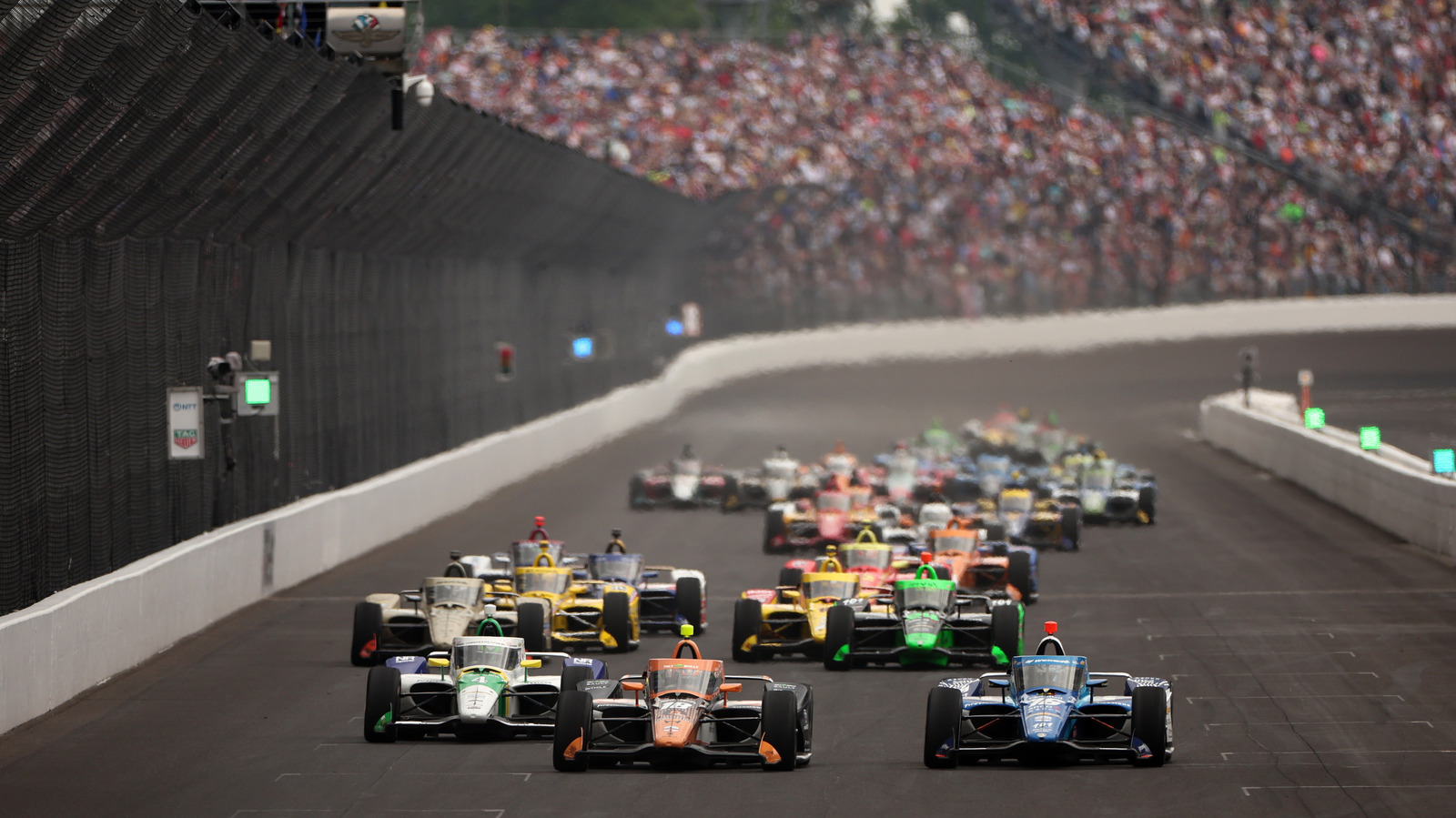
IndyCar faces a fundamental identity crisis that no amount of exotic powertrain engineering can solve. The series recently introduced aggressive new engine specifications that generate headline-grabbing horsepower and throttle-blipping exhaust notes. But impressive lap times mean nothing if manufacturers and fans don't connect racing to real-world relevance.
The core problem is straightforward. Racing costs money. Teams burn through budgets fielding competitive entries, sponsors demand returns on investment, and manufacturers justify participation only when racing delivers tangible business value. IndyCar must answer why automakers should spend millions developing race engines that bear no resemblance to production technology.
Formula 1 solved this by embracing hybrid power units that directly influence road car development. Toyota proved it in Le Mans prototypes. Even NASCAR now explores electrification pathways that resonate with consumer interests. IndyCar's current formula feels disconnected from the industry's urgent pivot toward electrification and efficiency.
That doesn't mean the sport needs to abandon performance. Racing should excite audiences and challenge drivers. But excitement divorced from purpose creates a spectator experience that aging fans appreciate while younger audiences ignore completely. IndyCar needs to position itself as a technology laboratory where solutions developed on oval tracks eventually trickle down to driveways.
The series has time to chart a different course. Current engine regulations run through 2028. Manufacturers considering future participation will weigh whether involvement advances their brand narratives and engineering goals. A return to relevance requires bold thinking about what racing actually communicates to audiences who increasingly care about sustainability, innovation, and real-world application.
IndyCar commands passionate fans and exciting racing. Those assets matter. But nostalgia alone doesn't attract manufacturers or new viewers. The series must transform from a showcase of engineering excess into a genuine proving ground for automotive technology that matters beyond the track.