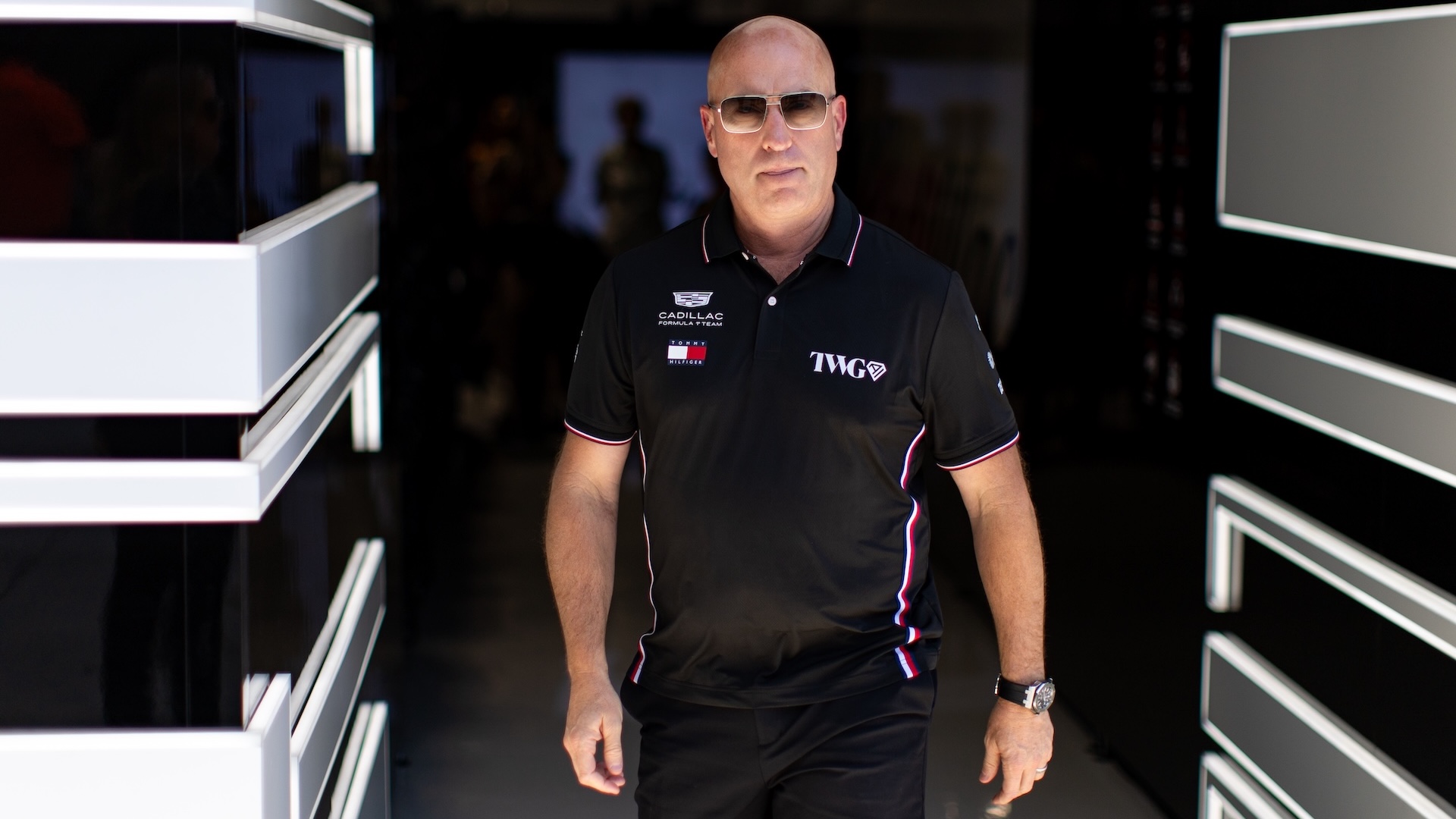
Cadillac's F1 entry has completed five races since joining the grid, and team principal Dan Towriss reflects on the grueling path to motorsport's pinnacle. The American luxury brand fought through regulatory obstacles and industry skepticism to secure its grid slot, a battle Towriss acknowledges as "unfair" but ultimately necessary.
The team has competed in races at Indianapolis, North Carolina, and England during this inaugural campaign. Towriss frames the early season experience with a deliberate paradox: the stress of operating in F1 represents a hard-won privilege rather than a burden. After years of advocacy and negotiation, Cadillac earned the right to compete at the highest levels of international motorsport.
His comments reflect the tension between ambition and reality in F1's competitive ecosystem. Entry into the championship requires not just financial firepower but also navigating FIA regulations, securing chassis suppliers, and building infrastructure in one of motorsport's most demanding environments. Cadillac's arrival breaks General Motors' absence from F1 for decades and signals Detroit's renewed commitment to global racing competition.
The early results reveal typical growing pains for a new constructor. Cadillac operates with Andretti Global, leveraging the established team structure while building brand presence. The Indiana, North Carolina, and England venues represent geographically diverse tracks that test different car setups and operational capabilities, giving Towriss and his engineers rapid feedback on competitive positioning.
Towriss's characterization of stress as a badge of honor underscores F1's brutal standards. Teams operate on millisecond margins, manage budgets exceeding $100 million annually, and compete against organizations with decades of institutional knowledge. For Cadillac, the early season grind represents validation of investment and determination.
The interview captures a pivotal moment for American motorsport. Cadillac's