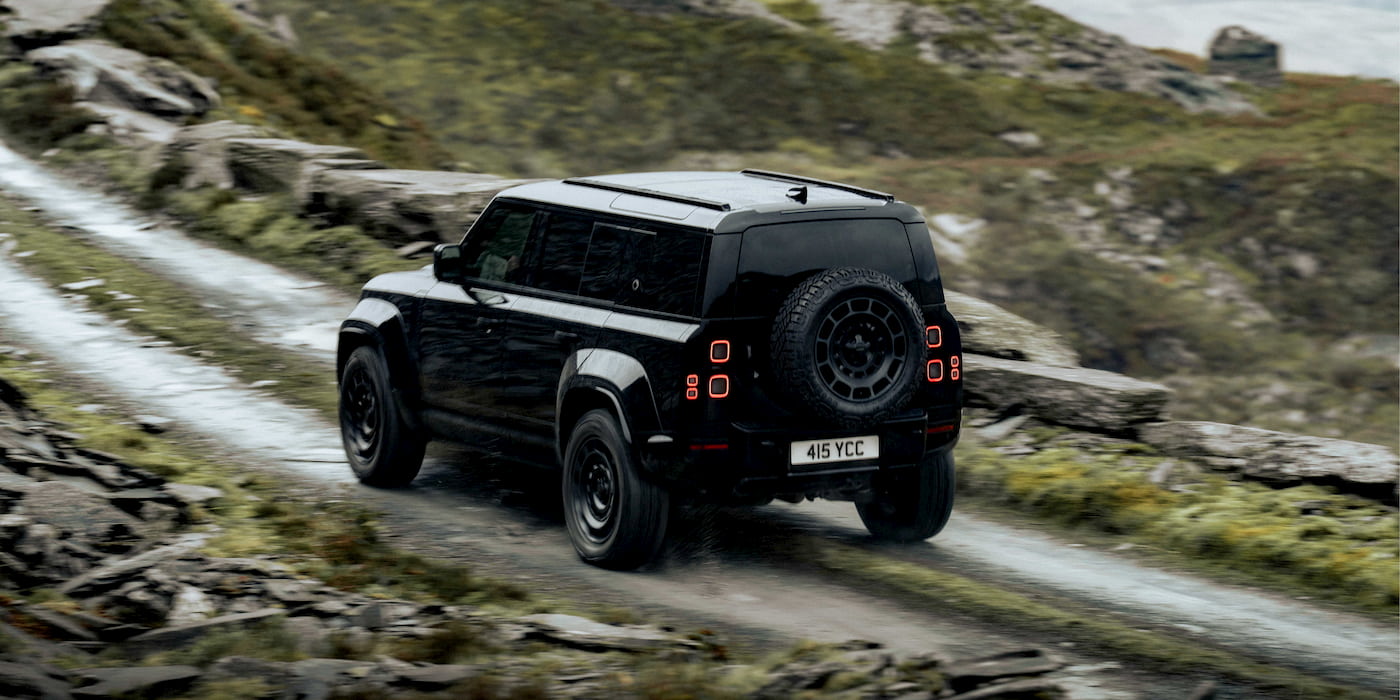
Land Rover plans to launch electric versions of the Range Rover and Range Rover Sport later in 2026, expanding its EV lineup across its luxury portfolio. The British manufacturer also readies the first all-electric Defender, positioned as the potentially stronger performer among the three launches.
The Range Rover Electric and Range Rover Sport Electric represent Land Rover's push upmarket in the EV segment, targeting affluent buyers who prize heritage and off-road capability. Both models inherit the Range Rover nameplate's prestige and advanced powertrain technology. Land Rover engineers these vehicles around battery platforms designed for extended range and performance on varied terrain.
The Defender EV could prove the dark horse. Defender buyers traditionally prioritize value and practicality over pure luxury positioning. An electric Defender would address a broader audience than Range Rover's ultra-premium segment, capturing working professionals and families seeking affordable electrification without sacrificing ruggedness. The Defender's lower price point and accessible positioning amplify its market reach compared to Range Rover's exclusive customer base.
This three-pronged EV rollout reflects Land Rover's strategy to electrify its entire lineup while maintaining brand hierarchy. Range Rover anchors the luxury tier. Defender captures the volume market. The Sport variant bridges the two segments.
Timing matters. By late 2026, the luxury EV landscape includes established competitors like Mercedes-Benz's EQE SUV and BMW's iX lineup. Land Rover's heritage and off-road expertise differentiate these models from traditional luxury automakers lacking SUV heritage. Defender faces stiffer competition from Ford's electric F-150 Lightning variants and upcoming off-road-focused EVs, yet its cult following and proven durability in harsh conditions create insulation from mainstream rivals.
The industry watches whether legacy automakers successfully translate brand strength into EV domin