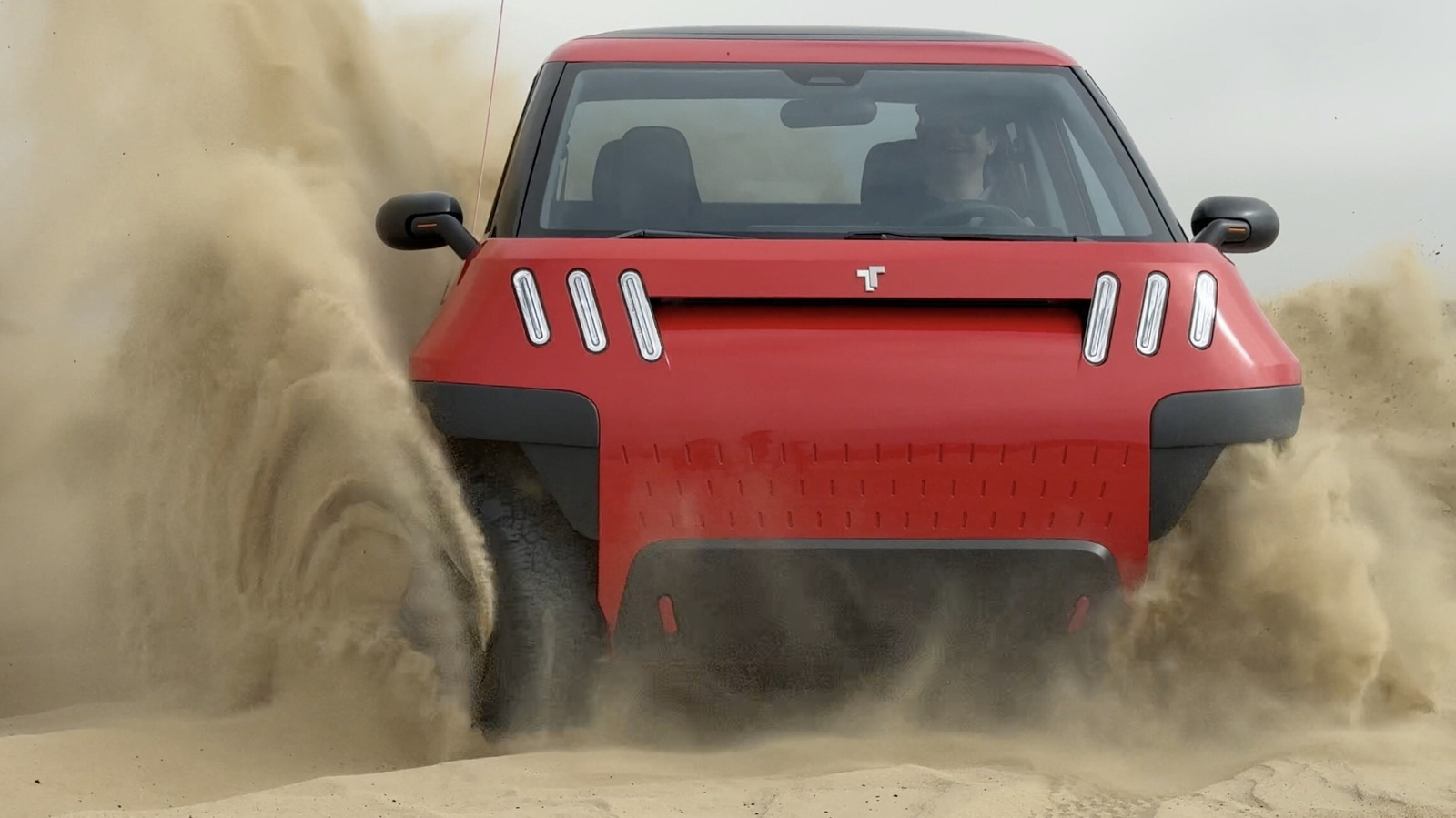
Telo's micro electric pickup, the MT1, has cleared another regulatory hurdle, pushing the scrappy startup closer to U.S. production and sales. The company secured approval for its vehicle architecture, a critical step that validates the truck's design approach and manufacturing pathway.
The MT1 represents a boldface bet on the micro-truck segment. At roughly 11 feet long and weighing under 3,500 pounds, it's dimensionally closer to a golf cart than a Ford F-150, yet it delivers genuine hauling capability with a 1,000-pound payload. Telo targets a sub-$20,000 price point, directly undercutting established players while appealing to urban and rural buyers fed up with bloated truck proportions and sticker shock.
This regulatory win matters because the pathway to production remains treacherous for any startup. Telo must navigate federal safety standards, EPA certification, and manufacturing partnerships. Each checkpoint eliminated reduces execution risk and gives potential investors confidence the company can deliver.
The electric pickup market has fractured into multiple segments. Rivian targets premium buyers with the R1T at $70,000-plus. Ford's F-150 Lightning occupies the mainstream luxury space. Startups like Scout Motors and Vinfast chase different niches with larger, traditional-looking trucks. Telo's strategy contradicts everyone: smaller, lighter, cheaper, and explicitly designed for the last-mile delivery and small business operator who doesn't need a six-foot bed and 500-horsepower powertrain.
Whether Telo survives depends on execution and capital. Startups have burned through billions chasing electric vehicle dreams with less compelling products. Telo's founders demonstrate sharp thinking about market gaps, but thinking and building remain separated by a chasm of engineering, supply chain coordination, and manufacturing discipline.
The MT1