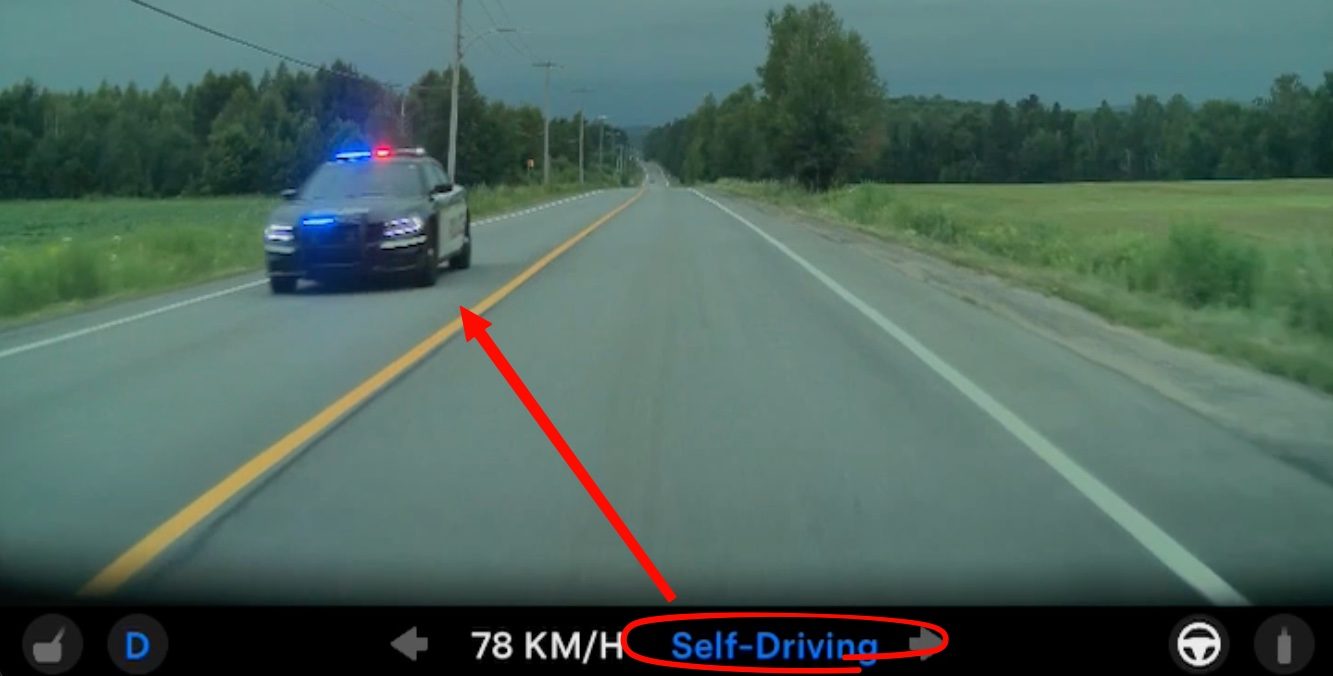
A Tesla driver received a speeding ticket while using Full Self-Driving after the vehicle accelerated to 78 km/h in a 50 km/h zone. The driver activated FSD in Standard mode less than two minutes before a police officer clocked the vehicle on radar and initiated the traffic stop.
The incident highlights persistent liability questions surrounding Tesla's autonomous driving system. FSD Standard mode, Tesla's more basic self-driving offering, operates with less stringent speed management than human drivers typically exercise. The system failed to respect the posted speed limit, creating a real-world enforcement scenario that raises questions about driver responsibility when automation takes control.
Tesla has faced recurring criticism over FSD's adherence to traffic laws and speed limits. The company markets the system as offering autonomous capabilities, yet drivers remain legally accountable for traffic violations committed by the vehicle. This creates a gray area where neither Tesla nor the driver assumes clear responsibility for the ticket.
The situation becomes more complex when Tesla allegedly "killed the fix" for this specific problem, according to the driver's account. If Tesla previously addressed speed-limit compliance issues but subsequently removed or deprioritized those corrections in later updates, it suggests the company made a deliberate choice to deprioritize accuracy over safety in this domain.
This incident underscores the tension between Tesla's aggressive autonomous driving rollout and the actual performance of its systems. Regulators worldwide have scrutinized FSD's safety claims and its limitations in real-world driving scenarios. For consumers, the ticket represents not just a financial penalty but validation of existing concerns about whether FSD truly operates safely under all conditions.
Tesla's approach to autonomous vehicle development prioritizes rapid deployment and iterative improvement over exhaustive pre-release testing. This philosophy produces faster feature updates but leaves drivers exposed to violations and liability when the system underperforms. Until autonomous systems demonstrate consistent compliance with traffic laws, drivers will continue bearing financial and