# The Real Story Behind Car Battery Recycling
Car batteries contain valuable materials worth recovering, and the recycling infrastructure exists to capture them. But the process differs sharply depending on battery chemistry, and what happens to your old battery matters more than most drivers realize.
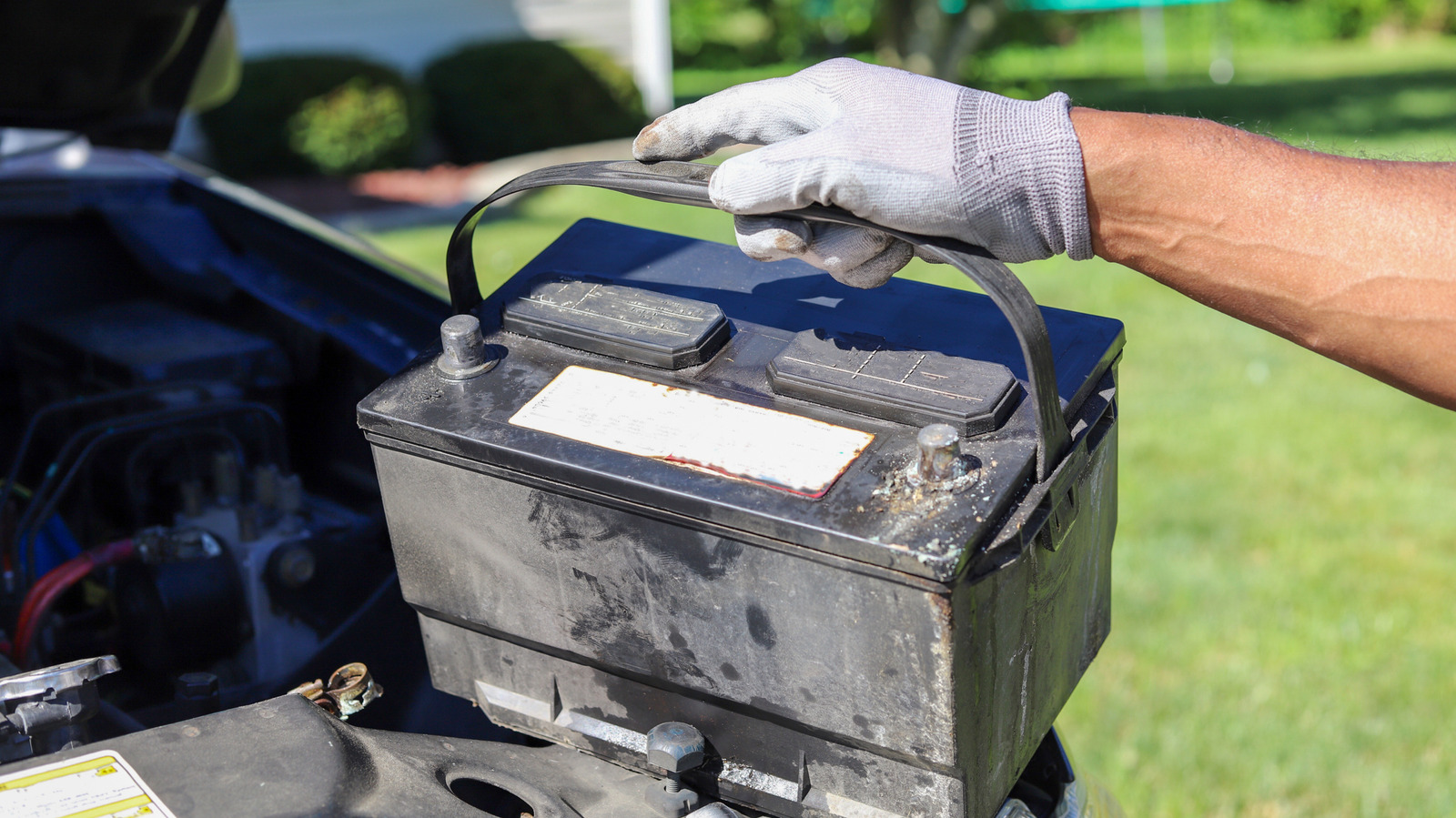
Lead-acid batteries, which power nearly every gasoline and diesel vehicle on the road, recycle at exceptionally high rates. The industry recovers roughly 99 percent of lead and 99 percent of plastic from spent lead-acid batteries. This happens because lead has genuine market value, scrap dealers actively compete for batteries, and the economic incentive pulls the entire system forward. When you replace a conventional car battery, retailers like AutoZone, Advance Auto Parts, and independent shops accept the old unit for free or credit. Most route them to certified recyclers who extract lead plates, plastic cases, and sulfuric acid for reuse or safe disposal.
Lithium-ion batteries powering electric vehicles present a harder problem. These batteries contain cobalt, nickel, manganese, and lithium. All of these materials have value, but EV battery recycling remains economically marginal in most regions. Battery costs have dropped 89 percent over the past decade, which erodes the scrap value of recovered materials. Second-life applications like stationary energy storage extend battery utility before recycling becomes necessary, further delaying recycling demand.
Current EV battery recycling capacity in North America remains limited. Companies like Redwood Materials, founded by Tesla's former battery chief JB Straubel, have announced ambitious plans. Redwood aims to build large-scale recycling operations that recover battery-grade materials for reuse in new packs. The economics still depend on battery volume and material prices. As EV adoption accelerates, recycling volumes will spike, and economies of scale should improve the business case.
Finding a recycling center depends on your battery type. For conventional batteries, the easiest path involves returning them to the retailer where you bought the replacement. Most U.S. states legally require retailers to accept old batteries. If you're replacing a battery yourself, contact local waste management or search Call2Recycle (call2recycle.org), a national program that locates drop-off points for batteries and electronics.
For EV batteries, the process differs. Many manufacturers like Tesla, GM, and Ford operate take-back programs for worn packs. Some dealers accept trade-in batteries. Third-party recyclers specializing in lithium batteries have begun operating in major metros and industrial clusters. Battery manufacturers sometimes contract direct collection from repair shops and dismantlers. As EV volumes grow, expect manufacturer-backed collection networks to expand.
The environmental case for battery recycling remains straightforward. Mining new cobalt, nickel, and lithium carries steep environmental and social costs. Extracting these materials demands water-intensive refining, generates toxic waste, and often occurs in regions with weak environmental enforcement. Recycling redirects these materials back into production cycles, reducing mining demand and associated harms.
Regulatory pressure is building. The European Union mandates that EV battery manufacturers collect and recycle a percentage of their sales volume. California has proposed similar requirements. Federal infrastructure spending includes recycling facility grants. These policies accelerate infrastructure buildout and make battery return easier for consumers.
For now, lead-acid batteries recycle reliably at existing infrastructure. EV battery recycling remains nascent but expanding rapidly. As volumes increase and technology improves, today's experimental recycling centers become tomorrow's commodity operations.