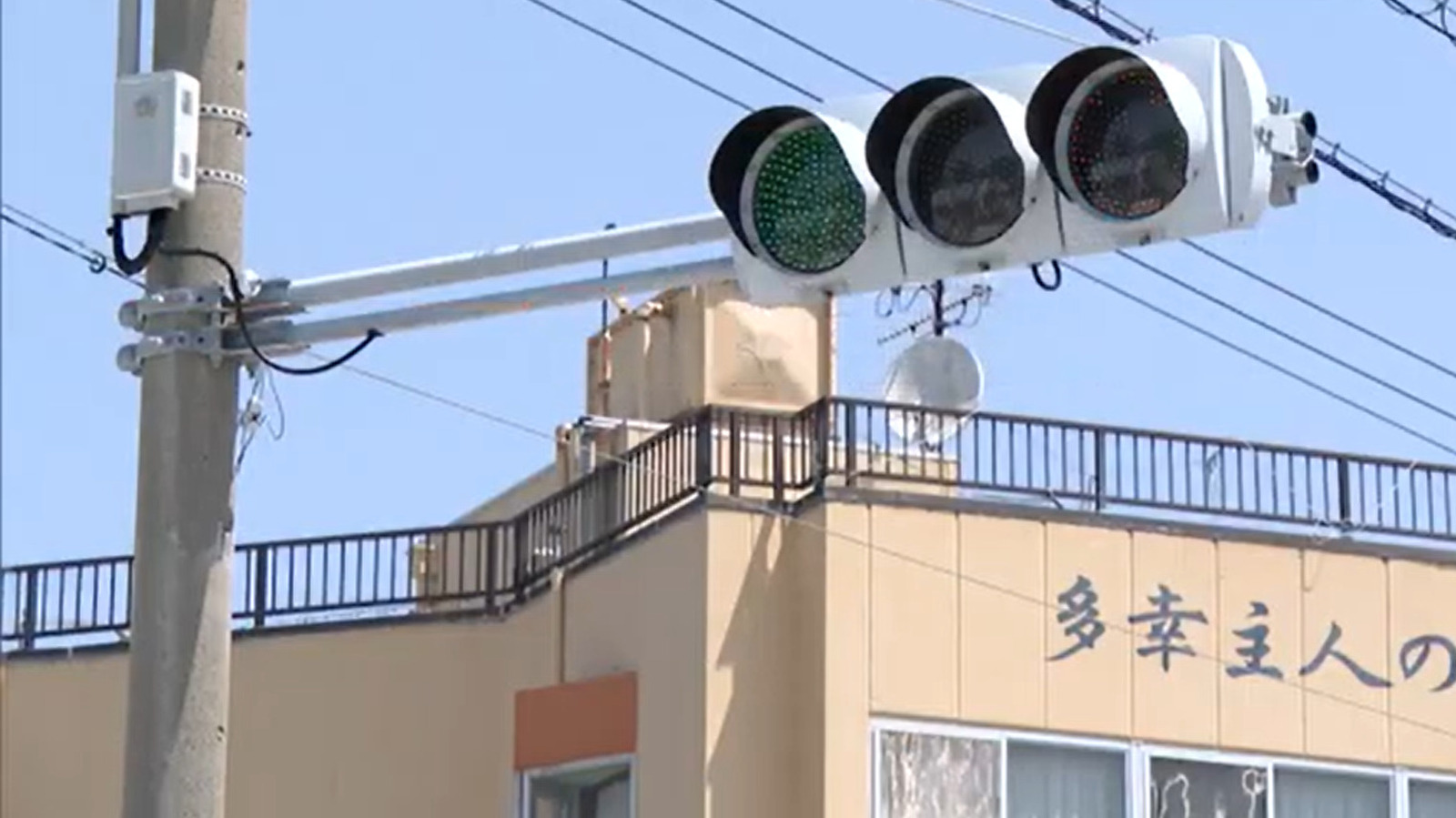
# The Traffic Light That Rarely Turns Green Solves a Real Traffic Problem
A traffic light in the United States flashes red or yellow for nearly the entire year but turns green exactly once annually. The setup sounds absurd until you understand what it controls and why engineers designed it this way.
This type of signal protects access to a specialized or restricted route that opens only under specific conditions. The light remains in warning mode (flashing red or amber) because the road it guards typically stays closed. When that road finally opens, the signal cycles to green, allowing traffic to flow through for one brief period.
The most famous example of this phenomenon exists at certain mountain passes or seasonal routes. These roads open only during specific windows when weather conditions permit safe travel. A prime example is the Road to Hana in Hawaii, though the most cited case involves specialized industrial or military access roads that operate under extremely limited conditions. Some signals also control access to private facilities or toll roads that function seasonally.
Engineers install these lights for regulatory compliance and traffic safety. Federal and state transportation codes require proper signaling at intersections and controlled access points, regardless of how often the route actually operates. A light that permanently flashed red or yellow would indicate a broken or inactive signal. By programming the light to turn green once yearly, municipalities fulfill legal requirements and demonstrate that the signal functions correctly.
The setup also serves a practical purpose. When conditions finally align for the route to open, drivers need confirmation that they can proceed. A light stuck on red would confuse drivers and create safety hazards. One green cycle per year proves the signal works, warns drivers the rest of the time, and maintains public safety.
Traffic control engineers face similar challenges at other restricted-access locations. Bridges that close for repairs, emergency routes that activate during disasters, and industrial loading areas all require proper signaling. The once-yearly green light represents an elegant engineering solution. It communicates "normally closed" while proving the light remains operational and ready.
This approach reflects broader traffic engineering principles. Signals must communicate clearly with drivers while operating reliably. A completely inert signal creates confusion and potential accidents. Even if a route opens rarely, proper signaling prevents drivers from misinterpreting the closed status.
The annual green cycle also serves maintenance verification. When the light cycles to green as programmed, technicians confirm that electrical systems, relay logic, and software all function correctly. This self-test happens automatically every year without requiring manual inspection or shutdown.
These specialized signals demonstrate that traffic engineering solutions often address niche problems with practical answers. The traffic light that rarely turns green accomplishes multiple goals simultaneously. It maintains regulatory compliance, provides driver communication, prevents confusion about road status, and verifies equipment function. Drivers who encounter this signal might never know why it exists or understand its purpose, but that single annual green light represents competent engineering and public safety planning.