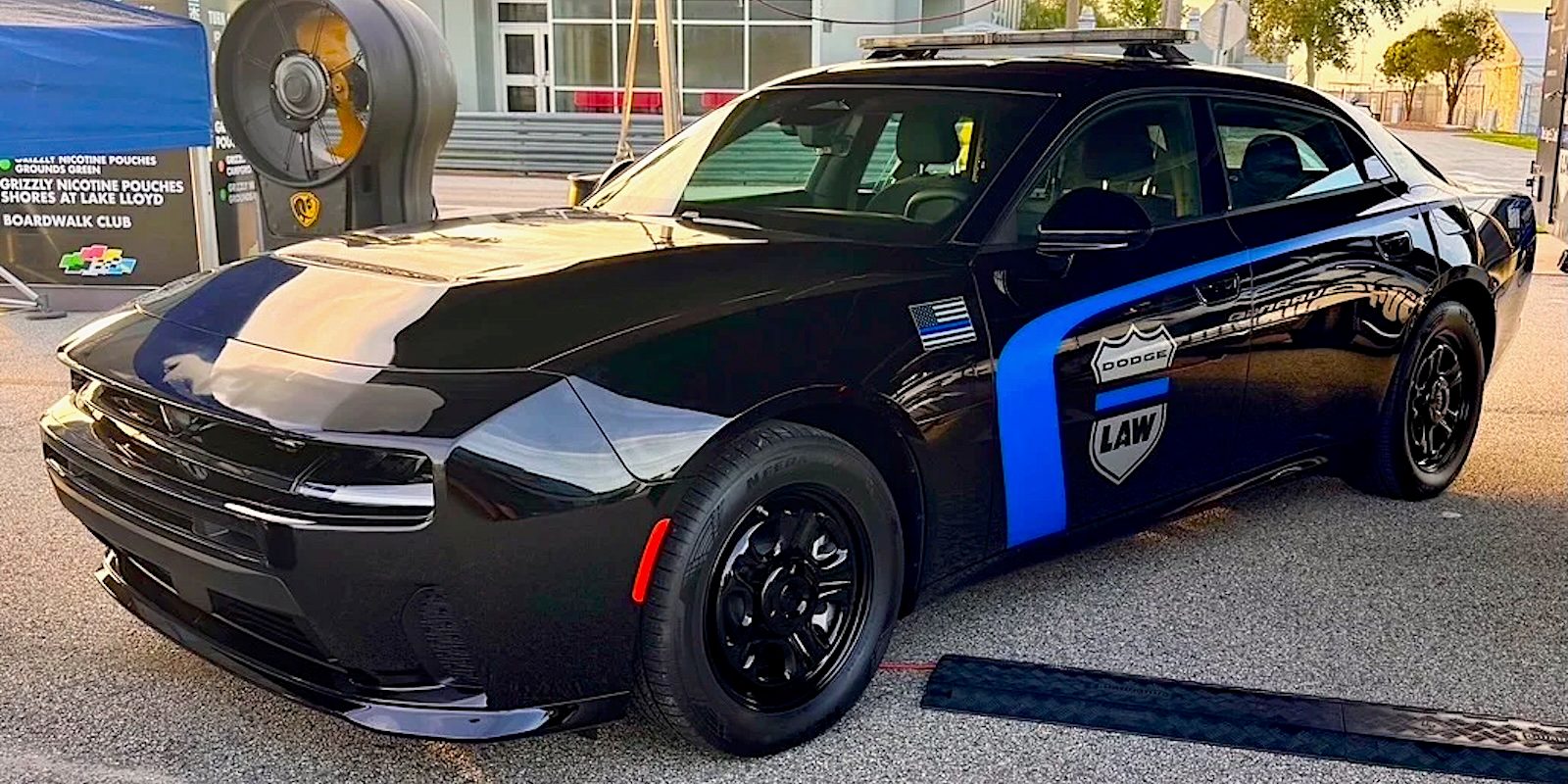
Dodge has introduced a gas-powered police pursuit vehicle version of its redesigned Charger, betting that law enforcement agencies will adopt the new model where enthusiasts have balked at both the electric and turbocharged variants.
The 2027 Dodge Charger Police Pursuit Vehicle arrives as a traditional internal combustion engine option, sidestepping the brand's electrification push. This move directly addresses resistance from Mopar loyalists who rejected the 670 hp electric Charger and the 550 hp turbocharged Sixpack Charger for its conventional gasoline engine credentials.
Dodge faces a peculiar market problem. The all-new Charger generation moved away from the V8 formula that built the nameplate's reputation. Enthusiasts viewed both the battery-powered and turbo variants as compromises, lacking the visceral appeal of traditional muscle car powerplants. Sales suffered as a result.
The police pursuit variant offers Dodge a strategic opening. Law enforcement agencies prioritize reliability, performance consistency, and proven technology over trendy powertrains. A gas-powered police Charger delivers exactly that. Police departments can maintain fleets using established service networks and avoid concerns about electric vehicle charging infrastructure or battery degradation over fleet lifecycles.
This tactical shift exposes Dodge's broader dilemma. The Charger nameplate carries 60 years of V8 DNA. Modern regulations and corporate electrification mandates forced the redesign away from gasoline engines. Yet the market rejected the result. By offering police departments a conventionally powered option, Dodge admits that gas-powered Chargers still have demand.
The police market also provides volume Dodge desperately needs. Multiple departments across the country continuously refresh pursuit vehicle fleets. A competitive offering could generate meaningful sales in an otherwise flagging lineup.
Whether speeders benefit depends on execution. The PP