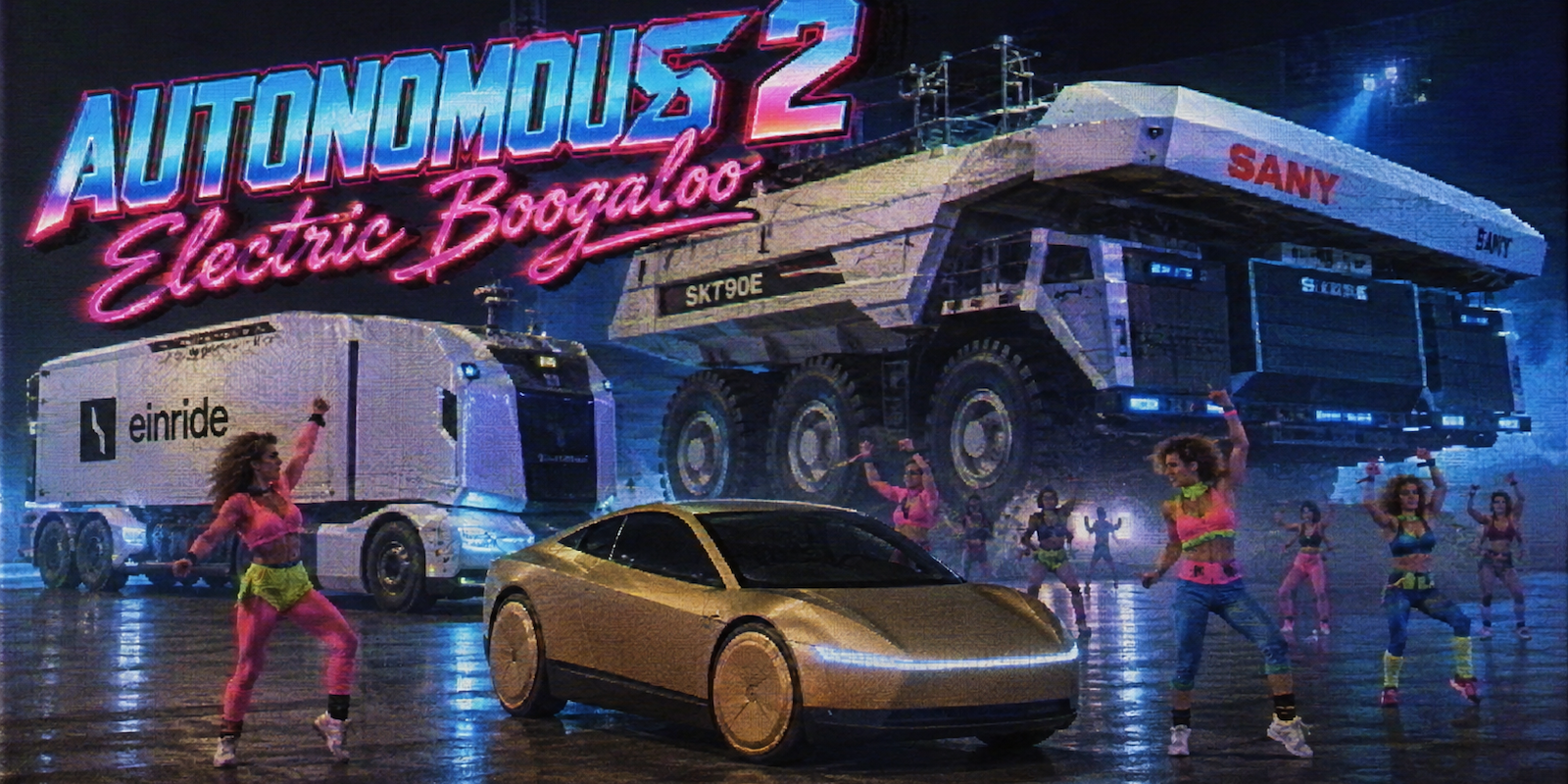
Tesla expanded its Robotaxi fleet by 50 percent through a regulatory approval rather than vehicle manufacturing. The electric automaker secured permission to deploy more autonomous vehicles across its existing network, accelerating its autonomous taxi ambitions without requiring additional hardware production. This move positions Tesla ahead of competitors still testing smaller fleets.
The expansion reflects Tesla's confidence in its full self-driving software stack. The company operates the largest autonomous taxi network in the United States, with vehicles operating in multiple cities under its Robotaxi brand. The 50 percent growth demonstrates Tesla's ability to scale operations rapidly once regulators green-light deployment.
Elsewhere in autonomous transport, Einride, the Swedish autonomous trucking startup, secured a partnership that strengthens its commercial operations. The deal signals growing confidence in Level 4 autonomous trucks for logistics and freight, though specifics on the partnership remain limited in available details.
China's autonomous vehicle sector is accelerating aggressively. Chinese manufacturers and tech companies are pursuing autonomous vehicle development at scale, investing heavily in both ride-hailing robotaxis and autonomous trucking. This competitive pressure from Chinese players intensifies the global race for autonomous vehicle dominance, forcing Western manufacturers like Tesla, Waymo, and traditional automakers to accelerate timelines.
Tesla's Robotaxi expansion occurs as the company prepares for mass deployment of its autonomous system. The regulatory approval removes one major barrier to growth. Competitors like Waymo operate smaller, more geographically limited fleets, giving Tesla a structural advantage in reaching scale.
The autonomous vehicle market remains years away from mainstream adoption, but these deployments generate crucial real-world data for machine learning algorithms. Each mile traveled improves software reliability and safety records needed for broader regulatory acceptance.
Tesla's growth strategy relies on gradual fleet expansion within existing regulatory frameworks rather than waiting for comprehensive federal autonomous vehicle legislation. This incremental approach lets the company prove safety and