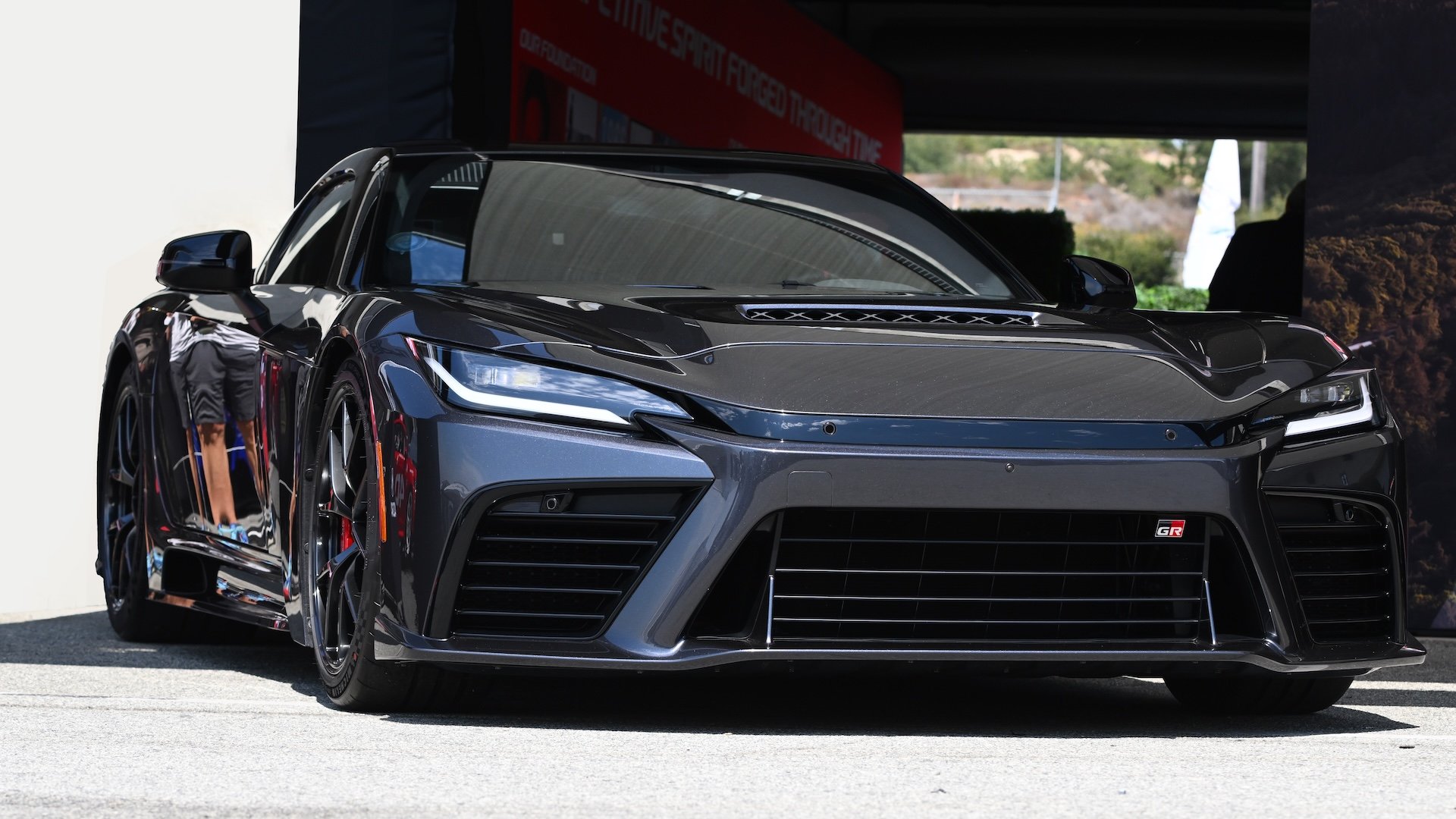
Toyota has already sold through its entire US allocation of the GR GT supercar before official deliveries begin, and the company engineered this scarcity deliberately to prevent speculators from flipping the car.
The Japanese automaker allocated a limited number of GR GT units for the American market and sold all of them to pre-qualified buyers. Toyota's strategy prioritizes actual drivers over investors banking on resale profits. This approach directly counters the market dynamic that plagued recent supercar launches, where wealthy speculators purchased allocation slots with zero intention of keeping the vehicles, instead holding them until values inflated on the secondary market.
The GR GT represents Toyota's return to the supercar segment after decades away. The model combines a 3.0-liter twin-turbocharged V6 engine with hybrid electric assistance, producing substantial horsepower for track work and road use. Pricing sits above $450,000 in the US market.
By capping allocation and pre-selling exclusively to vetted customers, Toyota ensures the GR GT remains in the hands of enthusiasts. The company likely implemented purchase agreements with clauses preventing early resales, a tactic Porsche and Ferrari employ with their most exclusive models. This protects brand prestige and ensures the car develops a reputation based on driver experiences rather than speculative hype cycles.
The sold-out status before customer deliveries demonstrates strong demand for limited-production supercars that signal genuine driving credentials. Toyota's GR brand has built cachet through motorsport success and driver-focused engineering, and the GR GT extends that philosophy into the exotic segment.
For buyers who missed allocation, Toyota's strict approach means secondary market options will remain scarce and expensive, unlike previous supercar launches where patient speculators eventually flooded markets with undriven cars. The strategy reinforces that obtaining a GR GT requires genuine automotive passion, not just