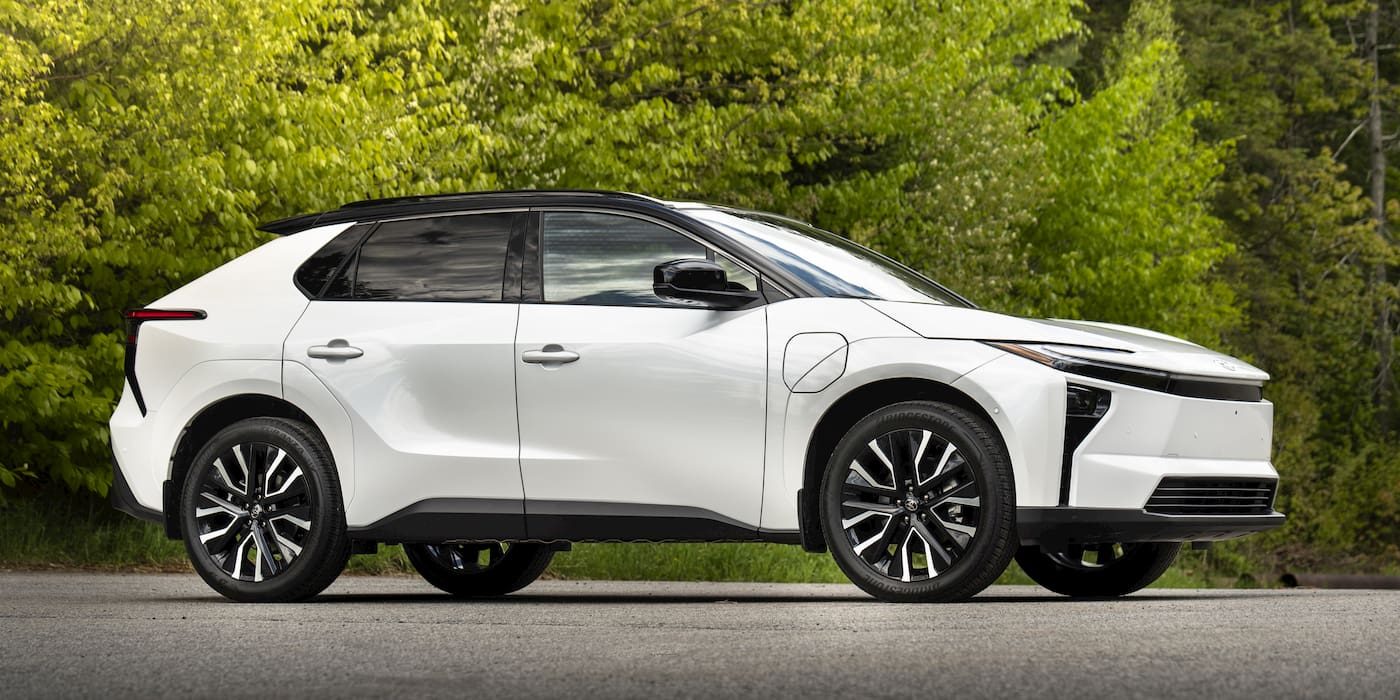
Toyota's 2027 bZ compact electric vehicle arrives at an aggressive starting price of $34,980 in the United States, undercutting most competitors in the segment. The Canadian market sees the model priced from CA$45,985, reflecting regional pricing dynamics.
The bZ enters a crowded field where Toyota faces Chevrolet's Equinox EV, Volkswagen's ID.4, and Hyundai's Ioniq 5. At under $35,000, Toyota targets mainstream EV buyers who rejected costlier competitors or held off purchasing until prices fell to acceptable levels. This pricing strategy reflects the broader industry shift downward as battery costs stabilize and competition intensifies.
The bZ positions Toyota as a volume player in the EV market rather than a premium seller. Toyota has consistently lagged legacy automakers in battery electric adoption. The company relied heavily on hybrid technology through the 2010s and 2020s, but the bZ family represents its commitment to matching competitors' EV offerings.
Details on trim levels, range, and battery capacity remain limited in the pricing announcement. Toyota typically structures the bZ with multiple configurations to segment buyers by budget and driving needs. Expect base models with around 250 miles of EPA range and higher trims extending to 300 miles or more.
The pricing arrives during a critical transition in the EV market. Traditional automakers now compete directly on price rather than technology differentiation alone. Tesla's price cuts since 2023 forced legacy manufacturers to recalibrate their strategies. Toyota's $34,980 entry point signals the company understands that EV adoption depends on affordability, not performance or feature lists.
For dealers and buyers, the 2027 bZ offers Toyota's reliability reputation at an accessible price point. The company sells confidence alongside hardware. That positioning matters in a market where consumer