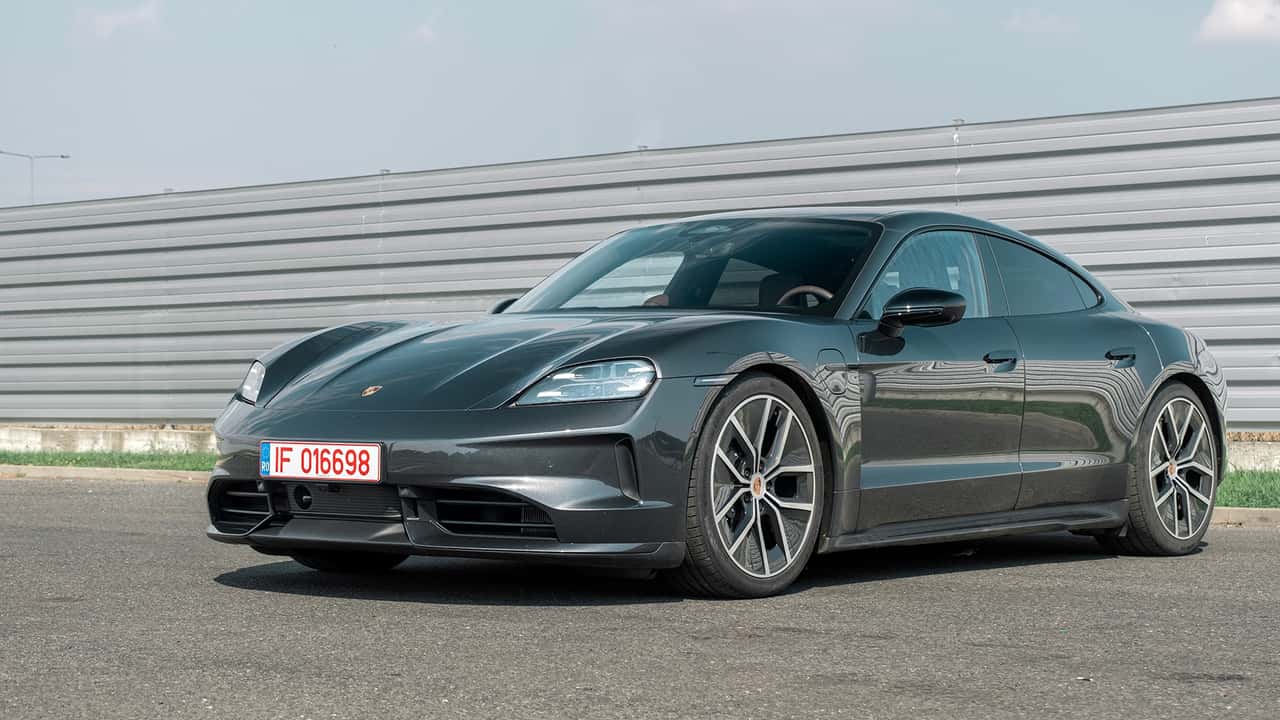
Porsche's electric sedan, the Taycan, faces an uncertain future. According to reports, the German luxury automaker plans to discontinue the model by 2030, though Porsche has not officially confirmed this timeline.
The Taycan launched in 2019 as Porsche's answer to the Tesla Model S and other high-performance electric sedans. It offers two powertrain options: a single-motor 402-horsepower variant and a dual-motor setup producing 671 horsepower. The sedan accelerates from zero to 60 mph in as little as 2.8 seconds in its most potent configuration, with an EPA-estimated range around 280 miles per charge.
A potential phase-out by 2030 signals Porsche's broader strategic shift. The Stuttgart-based manufacturer has committed to electrifying its lineup across the next decade, but the Taycan competes in a shrinking luxury sedan segment. Even premium automakers struggle to move sedan inventory as buyers increasingly favor crossovers and SUVs. Tesla's Model S, despite its dominance, sells in modest volumes compared to the company's Model Y SUV.
Porsche's portfolio already leans heavily toward SUVs. The Cayenne dominates sales, with the all-electric Macan arriving soon to bolster the crossover lineup. A successor to the Taycan, if developed, might emerge in a different form factor rather than a traditional sedan.
The company faces pressure to justify each nameplate's existence in an EV-dominated future. Resources devoted to low-volume sedans like the Taycan could redirect toward the profitable SUV and high-performance electric platforms that align with market demand.
Without official confirmation from Porsche, the 2030 discontinuation remains unverified speculation. However, the trajectory reflects an industrywide