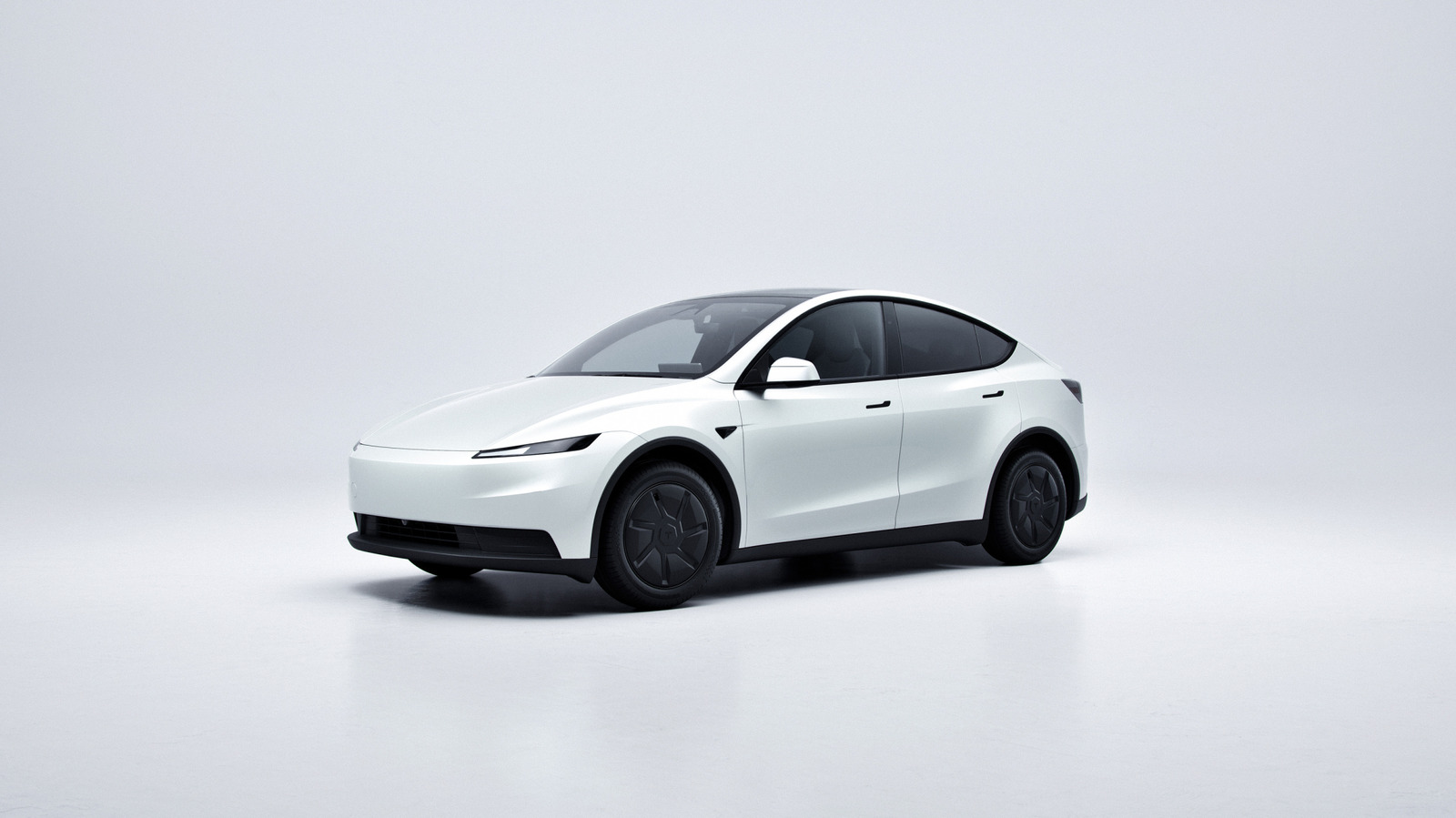
Toyota, Chevrolet, Stellantis, and Tesla top the list of manufacturers producing what readers consider the most soulless vehicles on the road today. This assessment spans both current models and older vehicles still in circulation, reflecting a broader consumer frustration with automotive design and engineering priorities.
The criticism points to a pattern across these manufacturers. Toyota, historically praised for reliability, increasingly draws fire for uninspired design language that prioritizes function over personality. Chevrolet's recent lineup decisions and cost-cutting measures have alienated enthusiasts who remember the brand's performance heritage. Stellantis, the sprawling conglomerate formed from Fiat Chrysler and PSA, faces accusations of badge engineering and corporate homogenization across its portfolio. Tesla, despite marketing itself as a revolutionary force, draws criticism for interiors many find plasticky and driving experiences some deem disconnected from traditional automotive engagement.
The term "soulless" carries weight among automotive journalists and enthusiasts. It describes vehicles engineered purely to meet regulatory compliance, maximize profit margins, and appeal to the broadest demographic possible. These cars prioritize infotainment systems, autonomous features, and cost efficiency over driving dynamics, mechanical feedback, or distinctive character.
This sentiment reflects a larger industry shift. Manufacturers consolidate platforms, reduce engine variety, and emphasize electrification and automation over the visceral experience that historically defined cars. Cost pressures and emissions regulations push automakers toward algorithmic design and platform sharing rather than risk-taking individualism.
Notably, the criticism doesn't target price points exclusively. Expensive luxury vehicles and affordable economy cars appear equally on soulless lists when they lack mechanical engagement or distinctive character. Readers value authenticity and purposeful design regardless of cost.
The industry ignores this feedback at its peril. While mass-market success requires broad appeal, the enthusiast market and automotive press maintain cultural influence.