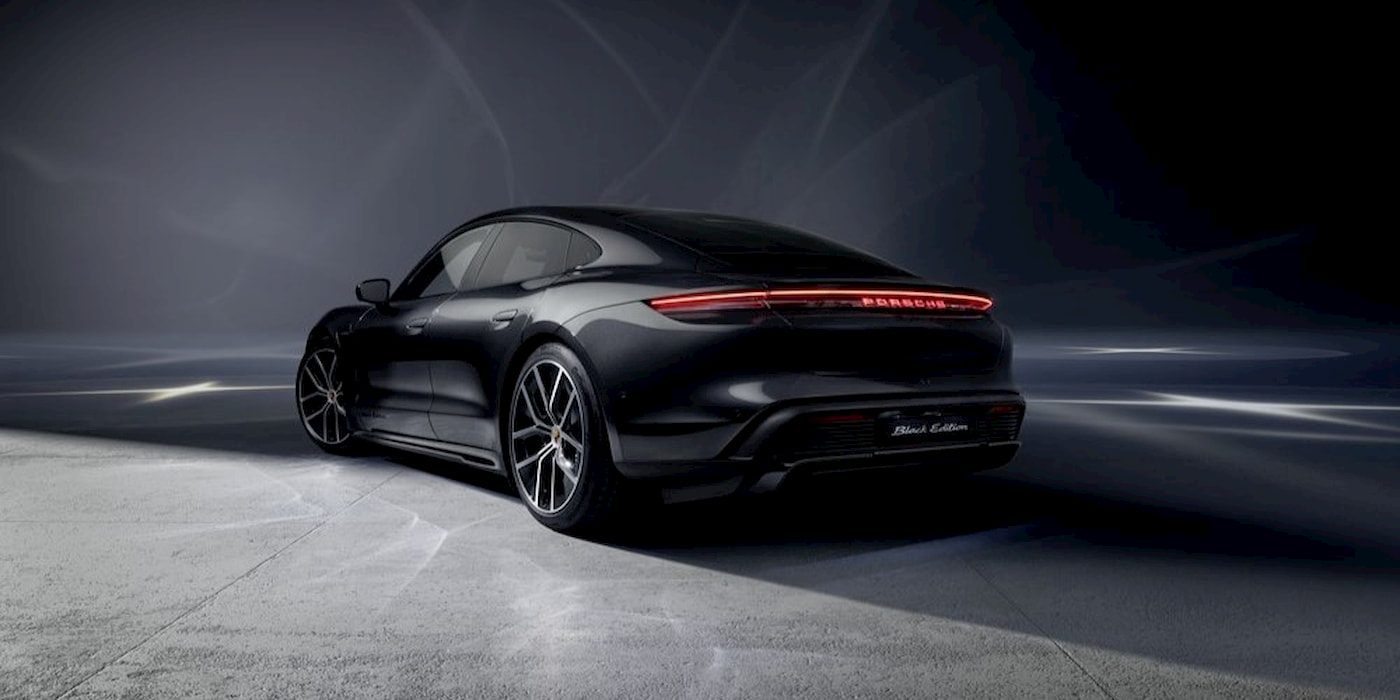
Porsche plans to halt Taycan production by 2030, according to a German media report that contradicts recent statements from company leadership. Last month, Porsche's CEO publicly insisted the all-electric sedan would remain in the lineup, making this reported reversal a significant shift in strategy.
The Taycan launched in 2019 as Porsche's answer to Tesla and other EV competitors. It offers dual-motor performance variants with up to 938 horsepower in top configurations and supports 800-volt charging architecture for rapid battery replenishment. The car has sold modestly compared to Porsche's combustion lineup, with roughly 40,000 units delivered globally since inception.
The timing reflects broader pressures facing legacy automakers in the EV transition. Porsche faces mounting competition from pure-play EV makers and slowing adoption rates in key markets. The Taycan, despite strong engineering credentials and rapid acceleration, has struggled to match volume expectations set during its development phase. Its price point, starting above $80,000, limits market reach against newer competitors offering comparable range and charging speed at lower costs.
Ending Taycan production would leave Porsche reliant on internal combustion engines through the decade, with the company planning to electrify its next-generation lineup around 2030. The Boxster and 911 will receive electric variants as part of this strategy, allowing Porsche to transition away from the sedan segment entirely.
The contradiction between the CEO's recent comments and this reported production end-date suggests internal deliberation over the Taycan's future remains unresolved. Porsche has not officially confirmed the 2030 cutoff. If accurate, the decision signals the Taycan failed to establish the market position Porsche expected when it committed significant resources to EV development a decade ago.