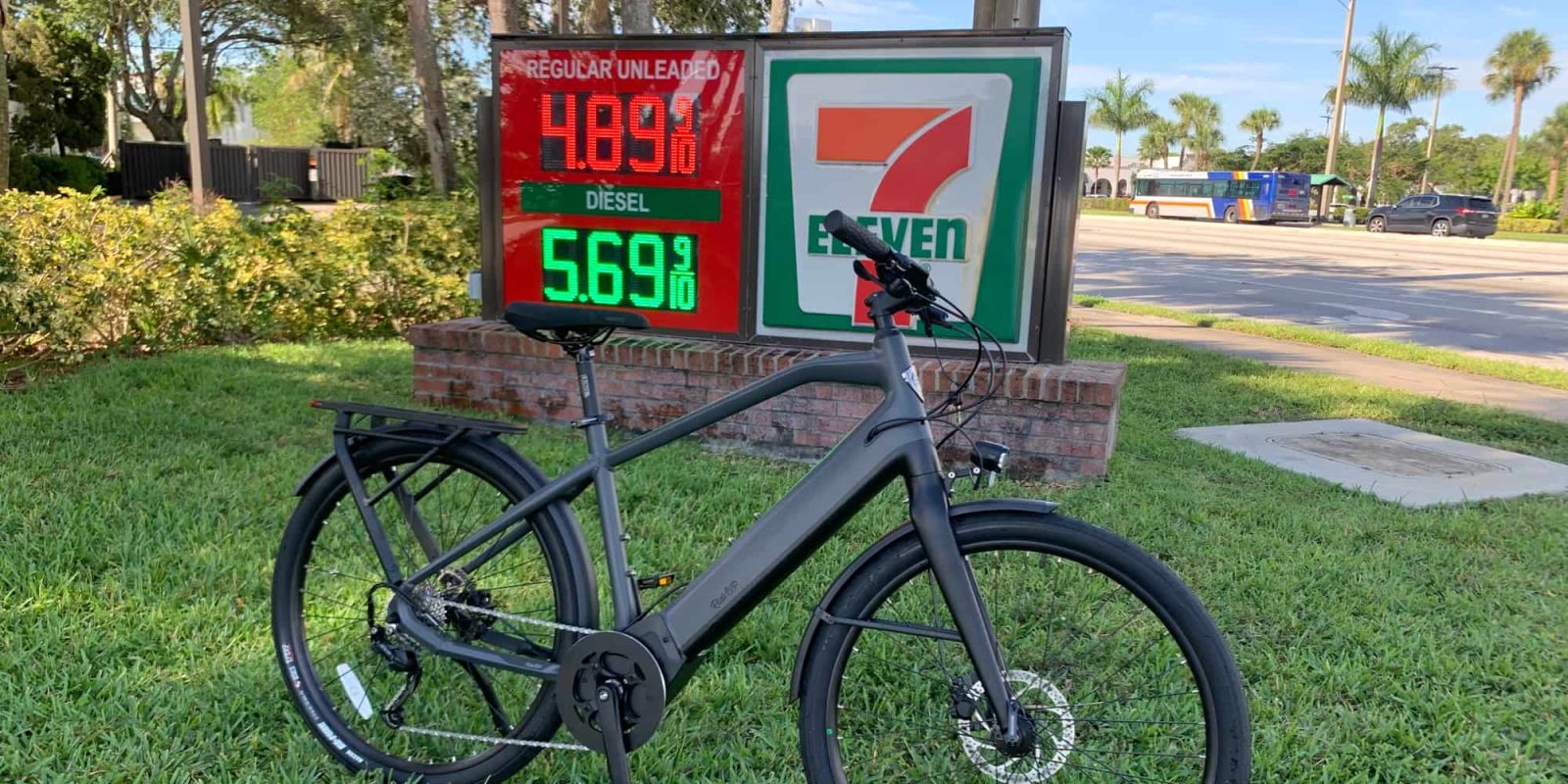
Rising gas prices are pushing more commuters toward electric bikes as a practical alternative to gasoline vehicles. US officials warn that pump prices will climb further due to supply disruptions near the Strait of Hormuz, creating renewed urgency around transportation choices.
E-bikes address this squeeze directly. A typical commute that costs $10-15 in gas per week runs on pennies of electricity. Most e-bikes cost between $1,000 and $3,000 upfront, recovering that investment within two to three years for regular commuters. The math works fast when gas tops $4 per gallon.
The appeal extends beyond economics. E-bikes handle short to medium-distance trips, typically three to ten miles, which covers roughly 60 percent of American car journeys. Riders can pedal without breaking a sweat using motor assist, making them viable for people who wouldn't consider traditional bicycles. Battery ranges now stretch to 50-100 miles per charge depending on model and riding style.
Ownership costs remain minimal. Annual maintenance runs $100-200. Insurance is optional. Charging costs roughly $0.50 per full battery charge. Compare that to vehicle registration, insurance, maintenance, and fuel for a conventional car, and e-bikes deliver serious savings for anyone with a flexible commute route.
Weather and safety remain real barriers in many regions. Winter riding and collision risks deter casual adoption. Infrastructure matters too. Cities with bike lanes see higher e-bike uptake than sprawling suburbs with highway-dependent commutes.
The timing favors the shift. Manufacturers like Trek, Specialized, and Giant now offer capable models at accessible price points. Used e-bike markets are growing, cutting entry costs further. As gas volatility continues, the value proposition only strengthens for urban and suburban commuters seeking practical relief at the pump.