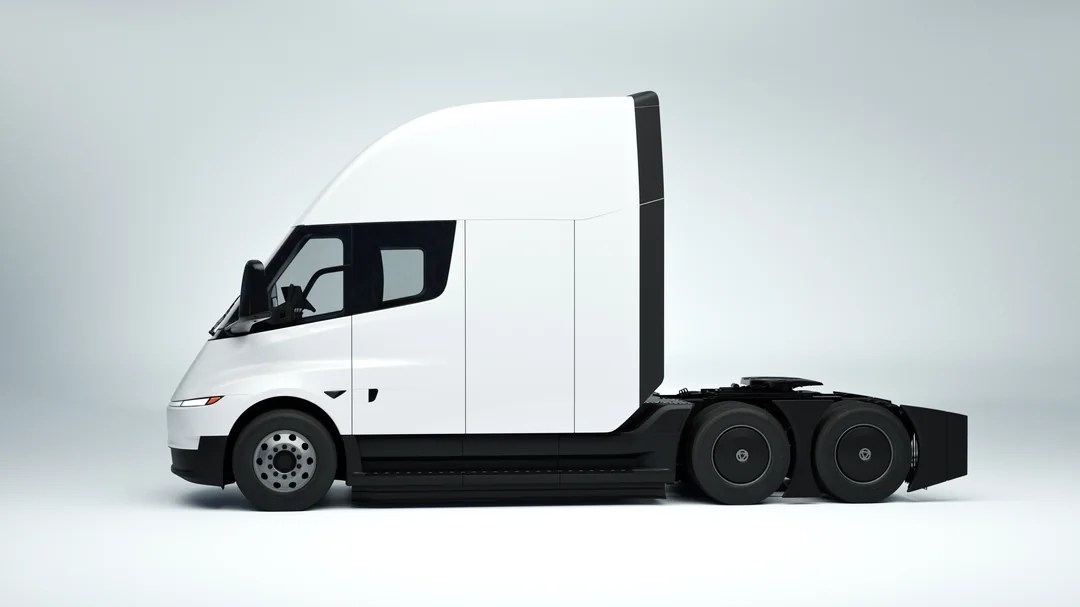
Tesla confirmed European expansion of its Semi electric truck, with a formal reveal of regional specs and launch timing set for IAA Transportation in Hannover, Germany next month. The company posted the announcement from its official Semi account, committing to showcase the vehicle alongside detailed market information during the September 15-20 commercial vehicle show.
This marks Tesla's first concrete step toward penetrating Europe's heavy-duty trucking market, where electric adoption faces steeper infrastructure and regulatory hurdles than in North America. The Tesla Semi has logged limited production in the United States since 2023, with initial deliveries to PepsiCo and other logistics operators. European deployment requires different battery configurations, charging ecosystems, and compliance with stricter emissions regulations across multiple nations.
The timing matters. European truck makers including Volvo, Scania, and Daimler have already launched or announced electric heavy-duty vehicles. Mercedes-Benz operates the eActros line, while Volvo's FM Electric targets mid-haul routes. Chinese competitors like BYD ship battery-electric trucks to Europe as well. Tesla's entry intensifies competition for fleet operators seeking zero-emission alternatives, particularly in Germany where commercial vehicle electrification receives government support.
Specs remain unclear until the Hannover reveal. The North American Semi offers 300-mile or 500-mile range variants with 600-horsepower output, capable of hauling 80,000 pounds. European versions likely require adaptation for metric-based regulations, different payload expectations, and charging infrastructure built around 350-kW or higher chargers rather than Tesla's proprietary Megacharger network.
Fleet operators prioritize total cost of ownership, uptime, and charging availability over raw performance. European logistics companies demand proof that a Tesla Semi delivers competitive operating economics against established Volvo and Scania electric offerings, plus assurance that charging networks