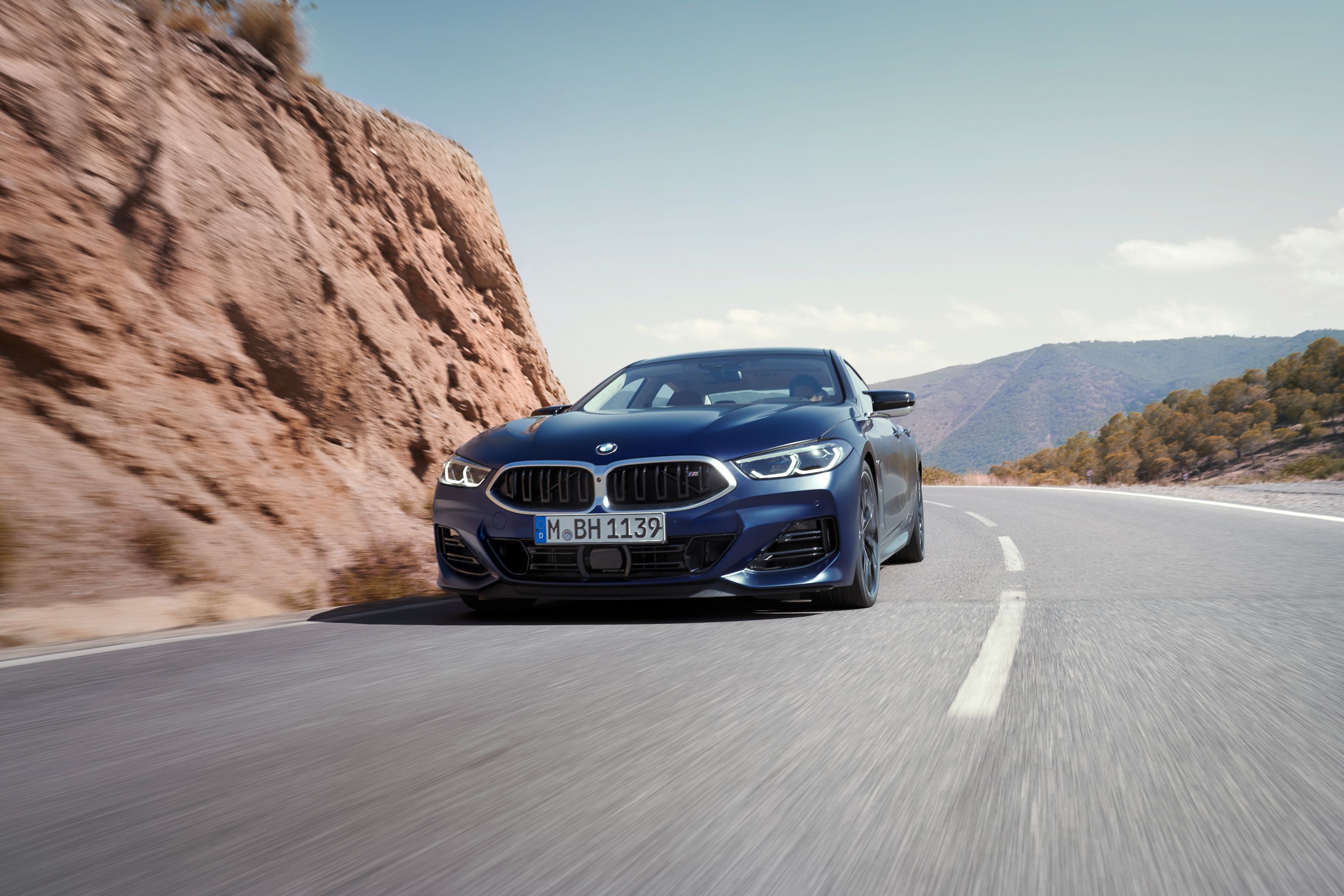
BMW issued a recall covering 27,720 vehicles across three model lines due to driveshaft defects that pose serious safety risks. The 8-Series, 5-Series, and 750e xDrive are all affected by the same manufacturing flaw.
The problem centers on rear driveshafts that can become damaged during normal operation. A damaged driveshaft creates two distinct hazards. First, the vehicle could lose rear-wheel power entirely, leaving drivers stranded or forcing them to operate with front-wheel drive only in models engineered for all-wheel traction. Second, and more dangerous, a severely compromised driveshaft can fail completely, causing the vehicle to roll away unexpectedly. This risk applies whether the car is parked on an incline or moving at highway speeds.
BMW did not specify the exact cause of driveshaft degradation or identify a manufacturing defect in the recall notice reviewed. The company confirmed that customer complaints triggered an investigation that revealed the pattern across these three high-volume or premium model lines.
The 5-Series remains BMW's bread-and-butter sedan, selling in the tens of thousands annually across global markets. The 8-Series, the brand's flagship two-door and four-door coupe, targets buyers seeking grand touring performance and luxury appointments. The 750e xDrive represents BMW's plug-in hybrid offering in the full-size 7-Series family, blending electric propulsion with a turbocharged inline-six engine.
Driveshaft failures represent a known vulnerability in BMW's drivetrain engineering. The component transmits engine torque to the rear wheels while compensating for suspension movement. Under sustained load or poor road conditions, inferior material composition or manufacturing tolerances can cause the shaft to crack, separate, or lose splines that lock it to differential carriers.
The recall affects model years not yet disclosed in the available information, though BMW typically casts nets across multiple production years when a supplier issue emerges. Dealers will inspect driveshafts and replace components showing damage or wear patterns consistent with the defect. BMW will notify owners by mail with service appointment instructions.
This recall joins a growing list of powertrain issues affecting BMW's current lineup. The automaker has faced scrutiny from regulators and owners over transmission problems in some 3-Series and X models, though driveshaft failures differ in nature and consequence.
For owners, the risk window remains open until service is completed. Drivers should monitor vehicles for symptoms including vibration when accelerating, clunking sounds during gear changes, or loss of power to the rear axle. Parking on steep grades or in areas where rolling could cause collision or injury should be avoided until the vehicle is serviced.
The National Highway Traffic Safety Administration will post full recall details and owner remedies online. BMW dealers have been contacted to maintain adequate driveshaft inventory to manage the repair load across North America or affected regions.