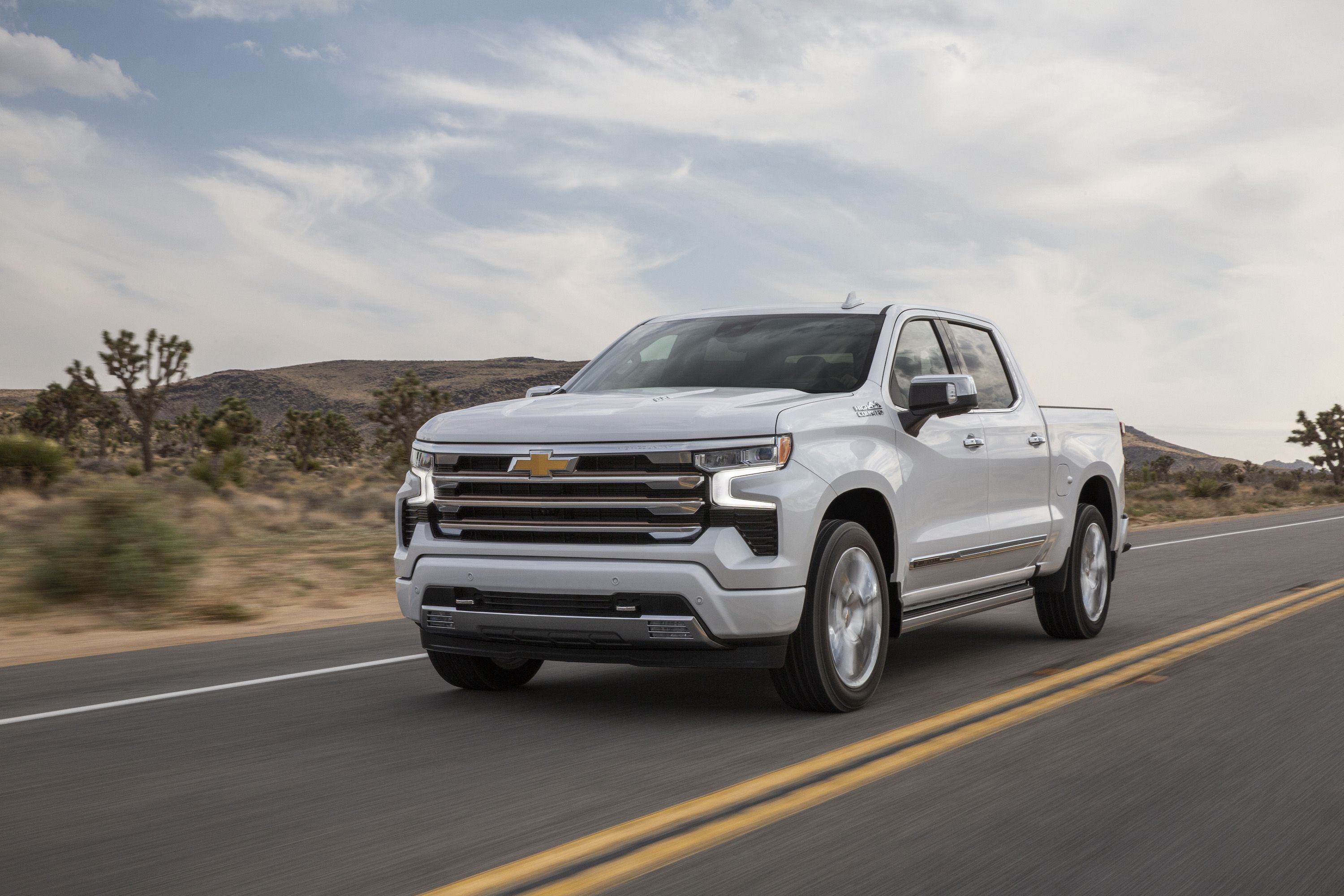
The National Highway Traffic Safety Administration launched a formal investigation into General Motors' L87 6.2-liter V-8 engines after the automaker's own remedy failed to prevent widespread catastrophic engine failures. NHTSA received hundreds of complaints from owners reporting that their engines suffered complete failure even after GM applied the official fix, prompting the federal safety agency to open a defects investigation into what has become an embarrassing reliability crisis for the truck division.
GM introduced the L87 as an optional powerplant in full-size trucks and SUVs, including the Chevrolet Silverado, GMC Sierra, Cadillac Escalade, and Chevy Tahoe. The engine delivered 420 horsepower and 460 pound-feet of torque, positioning it as a premium performance option for buyers willing to pay extra. Problems emerged relatively quickly after production began, with owners reporting spontaneous engine implosion, catastrophic internal damage, and total loss of vehicle functionality.
The initial defect centered on connecting rod failures, a critical internal component that links pistons to the crankshaft. When connecting rods fracture, they can punch holes through engine blocks, turning a $6,000 engine option into scrap metal in seconds. The failure pattern suggested a manufacturing defect or design vulnerability specific to the L87, as other GM V-8s in the lineup did not experience the same problem rate.
GM's first attempted remedy involved software updates designed to reduce engine stress and peak cylinder pressures. The company issued service bulletins and recalls directing dealers to reprogram engine control modules, essentially de-tuning the L87 to lower power output and internal mechanical loads. The fix arrived too late for hundreds of owners who had already experienced total engine failure. More damaging to GM's credibility, the software update failed to prevent new failures even after application, indicating the problem ran deeper than just aggressive calibration.
The scope of the issue expanded as NHTSA received complaint data showing failures continuing even among owners who completed the remedy procedure. Some trucks experienced engine destruction within weeks of the software update, suggesting the underlying defect remained unresolved. Owners reported catastrophic failures without warning, rendering $70,000 trucks immobile and facing engine replacement costs that insurance often refused to cover under powertrain warranty gaps.
GM has not publicly announced a secondary remedy strategy, leaving affected owners in limbo. The automaker faces potential expanded recalls, extended warranty coverage, and reputational damage as the investigation proceeds. NHTSA's investigation will examine manufacturing records, engineering documentation, and failure pattern data to determine whether GM violated safety standards or engaged in inadequate defect remediation.
The L87 crisis represents a significant reliability black eye for General Motors at a time when the company is pushing premium truck sales to offset declining sedan demand. Buyers shopping for high-output Silverado and Sierra models now face legitimate concerns about engine durability. The investigation outcome could force GM to replace hundreds of engines under warranty, a cost scenario that would rival major recall expenses from previous years.