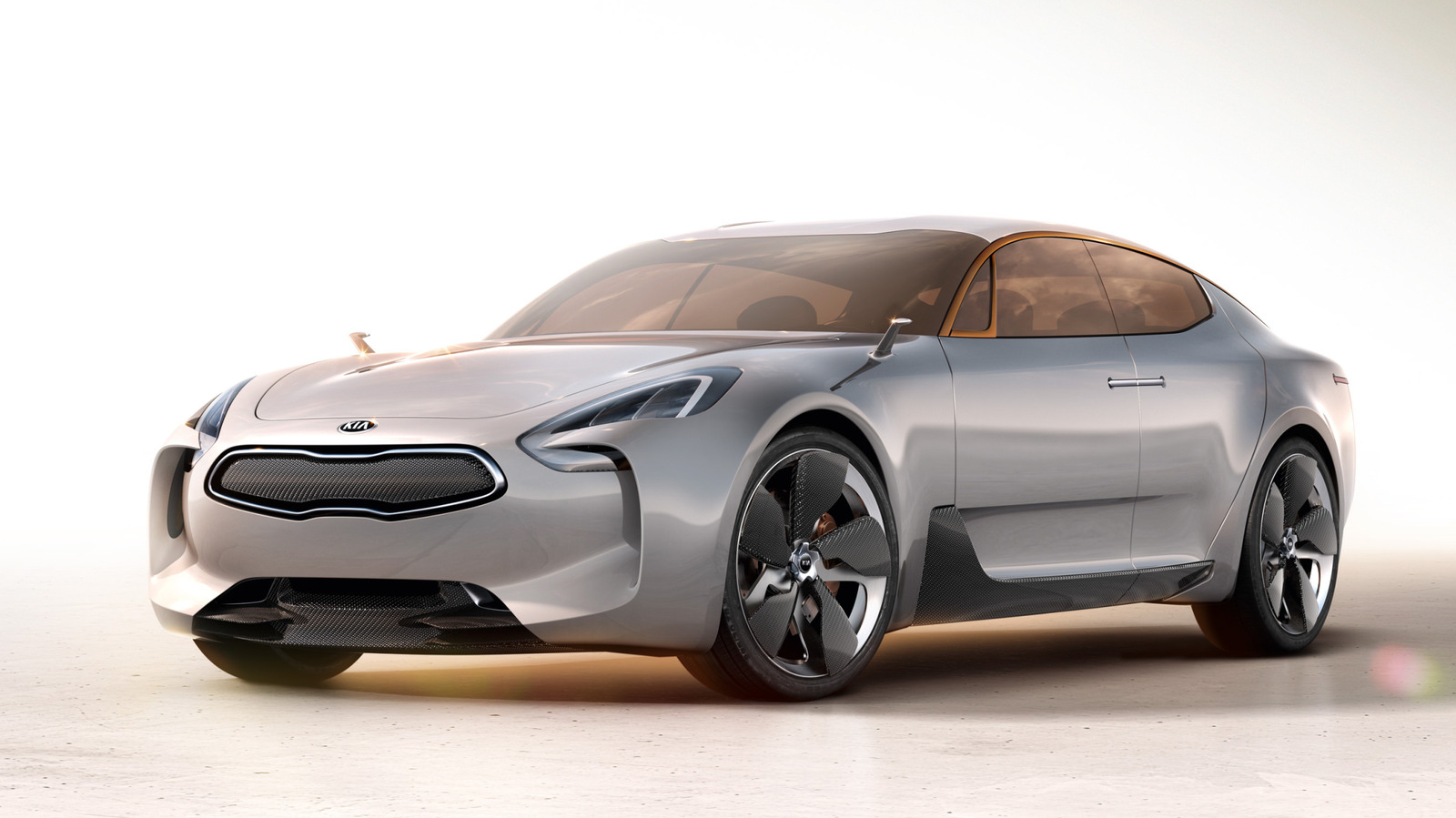
Kia pulled the plug on its Stinger sedan last year, ending a turbulent but celebrated chapter in the Korean brand's portfolio. Yet the story of how this rear-wheel-drive performance car came to life reveals far more about Kia's ambitions than its death suggests.
The Stinger traces back to 2011, when Kia unveiled a rear-wheel-drive concept vehicle that marked the brand's first serious departure from front-wheel-drive convention. The car arrived under the creative direction of an Audi veteran, someone who understood how to blend performance dynamics with design language that could elevate a brand's prestige. That single concept crystallized Kia's determination to compete beyond the compact sedan and crossover segments where it had found safe footing.
When Kia finally launched the production Stinger in 2017, it carried that conceptual DNA into the real world. The sedan arrived with turbocharged engine options, available all-wheel drive, and styling that turned heads at a time when Kia was still rebuilding its reputation for quality and innovation. The long hood, fastback roofline, and athletic proportions announced something different. This was not a family hauler wearing a sports badge. It was a genuine performance sedan positioned to battle the Dodge Charger, Chrysler 300, and Japanese competitors like the Infiniti Q50.
The market proved less interested than Kia hoped. Sedan sales collapsed across the industry during the 2010s and 2020s, and buyers migrated toward crossovers and SUVs. The Stinger remained a niche product, never achieving the volume Kia needed to justify continued investment. Sales figures never justified the engineering costs. By 2023, Kia discontinued it entirely, choosing instead to redirect resources toward electric vehicles and high-margin crossovers.
Yet the Stinger's design awards and critical acclaim never stopped accumulating. Automotive publications praised its balanced handling, responsive steering, and relatively affordable entry price compared to German sport sedans. Enthusiasts appreciated that Kia had actually tried to deliver performance credentials rather than just slap aggressive styling onto a economy platform. The Stinger proved Kia could think beyond its conservative roots.
The discontinuation reflects broader industry trends, not failure. Sedan demand has evaporated. Manufacturers now chase profits through larger vehicles with higher price points. Kia invested heavily in the Ioniq 6 electric sedan and the EV9 three-row crossover instead. The brand's electrification strategy demands capital that rear-wheel-drive combustion sedans no longer justify.
That 2011 concept car, born from Audi expertise and Korean determination, accomplished something crucial though. It established that Kia could design and engineer vehicles with genuine performance intent. It gave the brand credibility beyond reliability ratings and warranty lengths. The Stinger may be dead, but its legacy informed how Kia now approaches electric performance vehicles. That matters when competing against established performance brands.
The real question facing Kia now involves whether it can transfer the Stinger's spirit into EVs. The Ioniq 6 hints at this possibility. Electrification removes many constraints that limited the Stinger's appeal. Kia has the design talent and engineering chops to prove it. The next chapter won't involve rear-wheel drive and turbochargers. It will involve batteries and torque vectoring. The ambition, though, traces directly back to that 2011 concept that started it all.