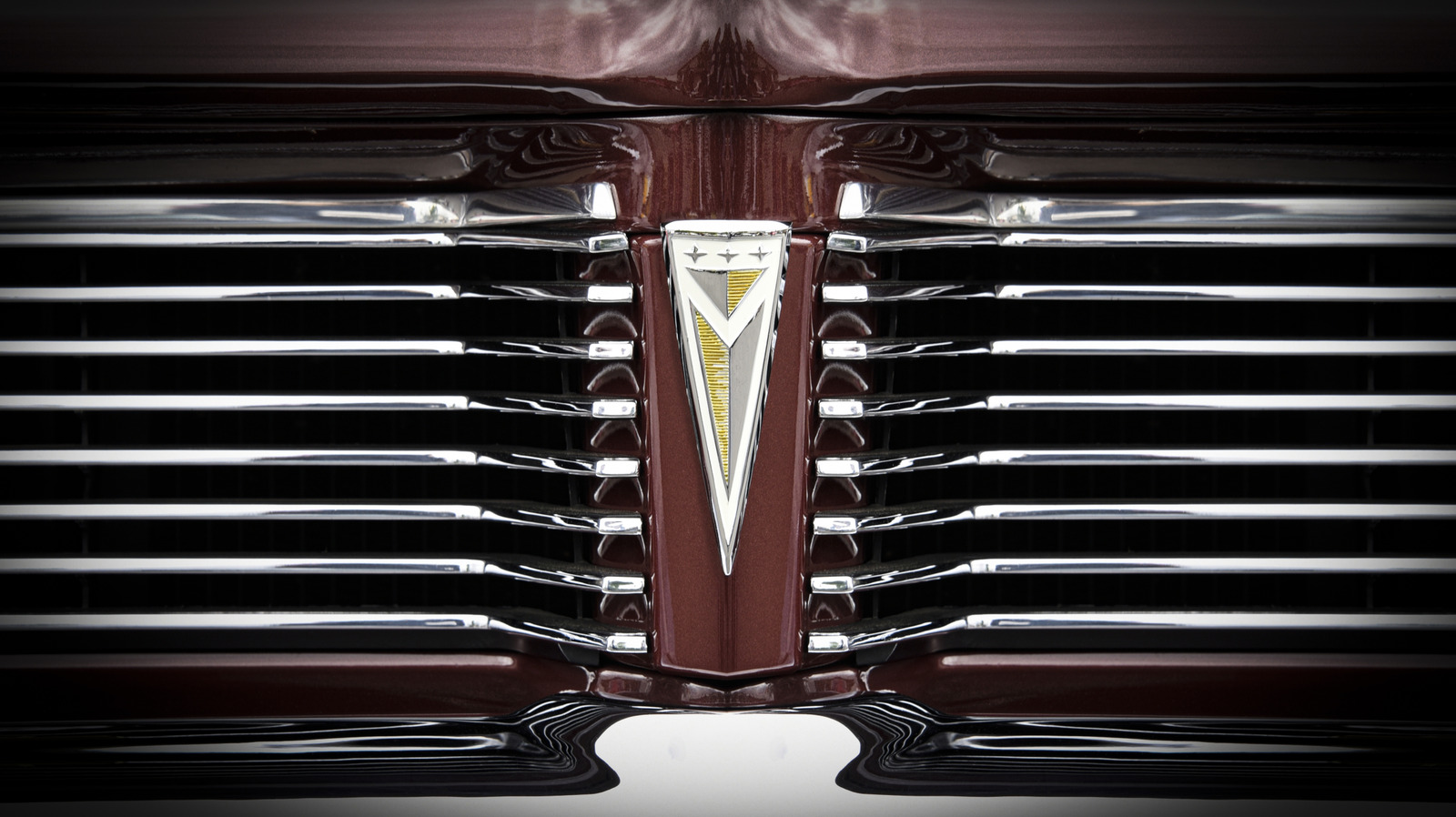
# Keeping Defunct Brand Cars Alive: A Survival Guide for Owners
Owning a car from a defunct automaker presents a romantic challenge wrapped in practical headaches. Whether you drive a Pontiac, Saturn, Saab, or Mercury, keeping these vehicles running once factory support vanishes demands strategy, creativity, and acceptance that some parts simply won't exist anymore.
The core problem is binary. Major components like engines, transmissions, and brake systems often cross-pollinate within corporate families. A Pontiac Grand Am shares its V6 with countless Chevrolets. A Saturn's transmission came from General Motors' parts bin. This shared DNA means core mechanical work remains possible through aftermarket suppliers and salvage yards. But proprietary trim, electrical connectors, climate control modules, and software-dependent systems vanish from supply chains within years of brand discontinuation.
Owners face three survival strategies. The first is preventive maintenance. If you own a Saab 9-5, you cannot afford engine neglect. Parts availability shrinks yearly. Proactive replacement of belts, hoses, and seals before failure beats scrambling for rare components. Second-gen Saabs especially suffer from obscure electrical gremlins. Catching problems early matters.
The second strategy involves inventory building. Smart defunct-brand owners stockpile spare parts when they're still available. Engine bay components, interior trim pieces, weatherstripping, and electronic modules get hoarded. Facebook groups and forums dedicated to specific brands function as modern-day bartering systems. A Pontiac enthusiast might trade a G8 transmission cooler for a rare door panel. These communities become essential ecosystems for keeping cars alive.
The third strategy is cross-platform substitution. This requires mechanical knowledge and willingness to adapt. A failed Saab electric window regulator might accept a slightly modified Opel unit from the same era. A Mercury Grand Marquis owner can often source Ford Crown Victoria parts directly. Understanding your vehicle's corporate parentage unlocks solution pathways that OEM part numbers never will.
Digital resources have transformed the game. Online forums dedicated to specific defunct brands maintain institutional knowledge that manufacturers discarded decades ago. Technical service bulletins, wiring diagrams, and recall information get preserved by passionate hobbyists. YouTube channels demonstrate repair procedures on 20-year-old vehicles. This democratization of information levels the playing field for owners without factory service manuals.
Costs escalate unpredictably. A failed transmission in a 2005 Saab might cost $3,000 to $5,000 depending on whether you source used parts or rebuild existing units. Interior trim pieces command premium prices from specialty suppliers because demand is low but search costs are high. A single door panel can cost $200 to $400 when you can find one at all.
The economics ultimately determine ownership viability. If your defunct brand car is reliable and common enough to cross-platform source parts easily, ownership stays manageable. A 2008 Pontiac G5 owner can access most Chevrolet Cobalt parts directly. But owners of rare models face escalating costs. Saab 9-2X owners struggle because the model combined Saab engineering with Subaru platforms in ways that create sourcing bottlenecks.
The emotional payoff compensates for practical frustration. Defunct brand cars carry character that current production vehicles rarely achieve. They become conversation pieces. They demand engagement and knowledge from their owners. You cannot coast with a 15-year-old Saab. You must understand it, maintain it obsessively, and participate in communities that keep the brand's memory alive. That responsibility attracts a particular owner mindset. The car owns you as much as you own the car.