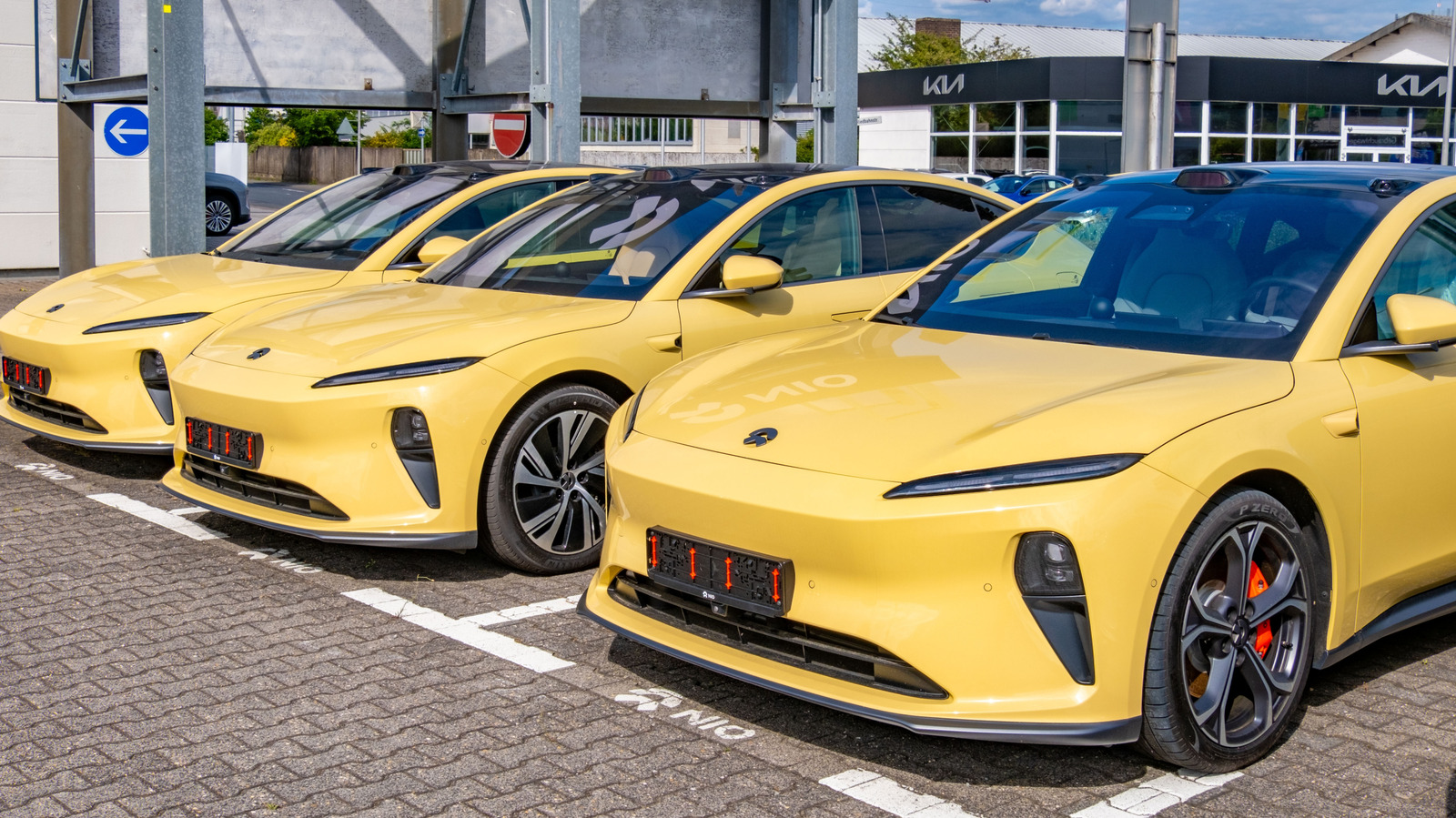
# What American Drivers Actually Think About Chinese Cars Entering the Market
Chinese automakers stand at the threshold of the U.S. market, and American consumers remain deeply divided about their arrival. A Jalopnik reader survey reveals stark contrasts between skepticism about quality and recognition that Chinese brands pose a real competitive threat.
The hesitation centers on familiar concerns. Many American drivers associate Chinese vehicles with lower build quality, reliability issues, and questions about long-term parts availability and warranty support. This perception stems partly from historical experience with early Chinese exports in other categories, though modern Chinese automakers like BYD, Geely, and NIO have invested heavily in engineering and manufacturing standards that rival established competitors.
Yet readers also acknowledge reality. China dominates electric vehicle production globally. BYD shipped more EVs than Tesla in 2023. Geely owns Volvo and Polestar. Great Wall Motor produces vehicles sold across Asia, Europe, and Africa with solid track records. The technological gap has narrowed dramatically. Chinese batteries outperform Western counterparts in cost and energy density. These companies spend billions on R&D annually.
Price advantage looms as the decisive factor. If BYD or Geely enter the U.S. with competitive EVs priced $5,000 to $10,000 below comparable Tesla or Ford Mustang Mach-E models, consumer indifference evaporates. Readers understand this calculus. Affordability drives purchase decisions, especially among first-time EV buyers tired of six-figure price tags.
Tariffs and regulatory barriers currently shield Detroit from direct competition. The Biden administration imposed 100 percent tariffs on Chinese EVs in 2024, effectively blocking imports. Trade tensions and supply chain security concerns give policymakers political cover to restrict market access. This protection buys Ford, General Motors, and Stellantis time to improve EV competitiveness and costs.
But protectionism expires. Tariffs face legal challenges. China retaliates against U.S. companies operating in Asia. Eventually, market forces either force American manufacturers to compete on price and technology, or Chinese brands find workarounds through manufacturing partnerships or investments in Mexico and Canada.
Reader sentiment splits into three camps. Enthusiasts welcome competition. They view Chinese brands as potential disruptors that force legacy automakers to innovate faster and cut prices. Early adopters remember when Japanese and Korean brands faced similar skepticism in the 1970s and 1980s, before dominating reliability rankings.
Loyalists resist. They prioritize "Buy American" principles and distrust foreign ownership of intellectual property. Some cite geopolitical concerns about automotive technology flowing to China. Others simply fear job losses at domestic suppliers and factories.
Pragmatists wait. They'll test Chinese vehicles, compare specs and warranties, and decide based on merit. These readers care about value, efficiency, and performance. A well-engineered BYD sedan at $25,000 beats an inferior domestic option at $30,000.
The real debate centers on timeline and terms of entry. Most readers agree Chinese cars will eventually reach American showrooms. The question becomes whether that happens through direct imports, joint ventures with American manufacturers, or both. That answer depends on trade policy, tariff rates, and how aggressively traditional automakers accelerate their EV strategies.
Jalopnik readers grasp what Wall Street already knows. Chinese automakers represent the next phase of automotive disruption, not a passing fad. Preparation matters more than denial.