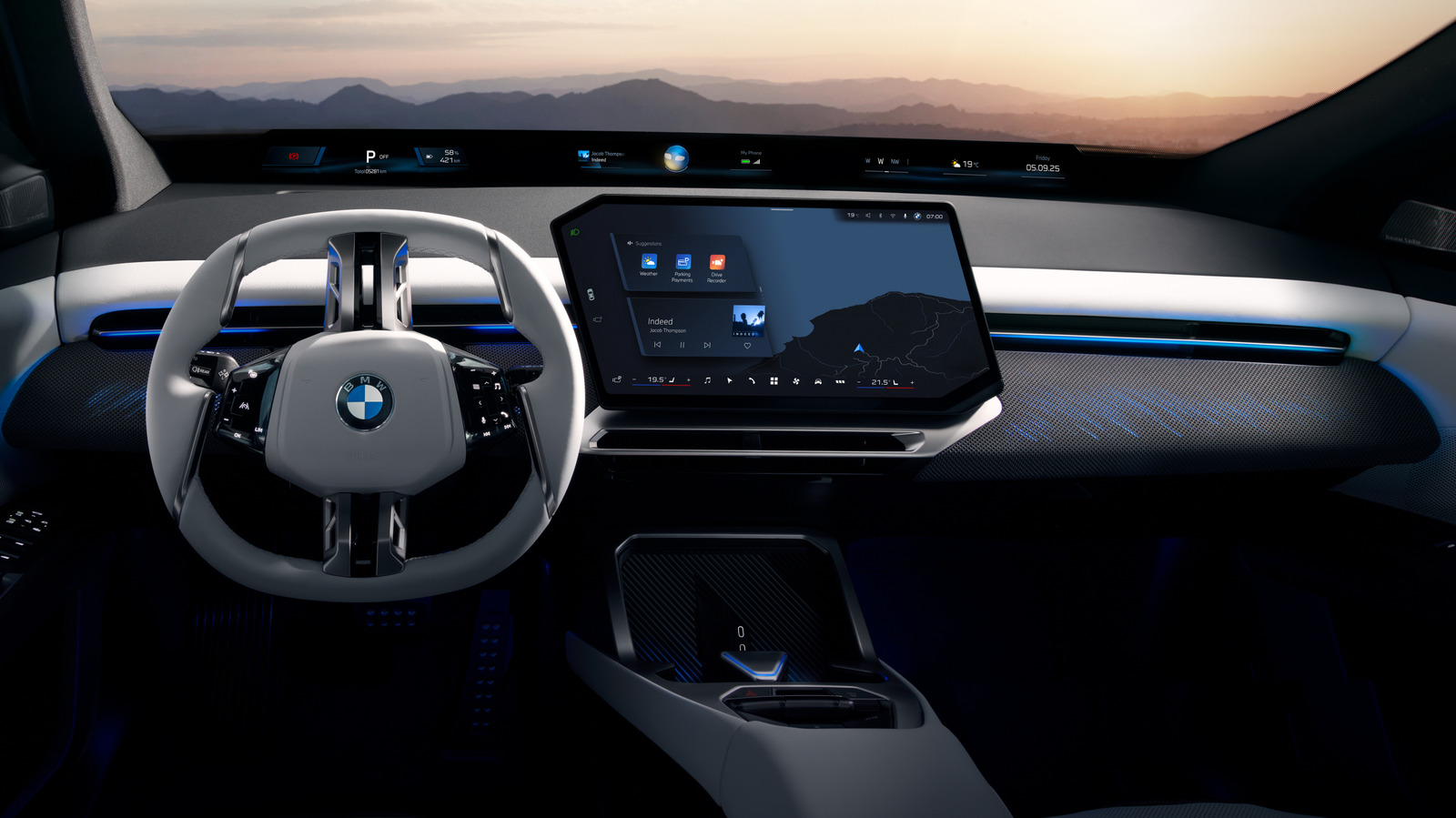
BMW's shift toward touchscreen-dominated cabins reflects a deliberate bet on how younger drivers interact with technology. The Munich automaker has stripped physical buttons from new models, leaving only essential controls while routing nearly all functions through digital displays. This design philosophy rests on generational behavior: younger buyers already manage multiple tasks simultaneously on smartphones and tablets, so the logic follows that they'll adapt to automotive interfaces faster than older drivers.
The move parallels broader industry trends toward minimalist interiors. Tesla normalized the all-screen approach years ago. Mercedes-Benz, Audi, and Genesis followed with increasingly digital cabins. BMW's approach goes further in many models, removing redundancy that older generations expected as safety nets. Stalks, dials, and dedicated buttons for climate control, seat adjustments, and infotainment exist on a spectrum of elimination across BMW's range.
The automaker argues this design simplifies manufacturing, reduces interior clutter, and creates a more cohesive aesthetic. Fewer physical components also mean fewer potential failure points and lower warranty costs over the vehicle's life. From a design perspective, it delivers the premium, tech-forward appearance that appeals to affluent buyers who value the latest technology.
But this gamble carries risks. Haptic feedback and muscle memory matter in vehicles. Drivers need to operate critical systems without taking eyes off the road. Climate and audio volume adjustments belong in a driver's tactile vocabulary. When everything requires screen taps, even simple tasks demand attention diversion. Industry data shows older drivers reject these interfaces, but BMW appears willing to cede that market segment.
The real test lies in how well these touchscreens perform after years of ownership. Integration quality, software stability, and responsiveness degrade over time. A button lasts decades unchanged. A screen can lag, freeze, or develop dead zones. BMW's warranty and software update policies will determine customer satisfaction. Current owners report mixed experiences with responsiveness on older iDrive systems, suggesting potential concerns.
This also represents a cultural assumption about driving. Physical controls acknowledge that driving demands some of your attention. Touchscreens assume drivers can safely navigate menus. Regulatory bodies haven't forced BMW's hand here, but distracted driving data suggests they should watch closely.
Competitors like Porsche and Lamborghini still retain analog controls alongside digital systems, betting that performance and luxury buyers want both options. Hyundai and Kia offer granular control choices, letting buyers toggle between physical and digital inputs. BMW's all-in bet on youth adoption represents confidence that younger drivers won't just tolerate this interface, they'll demand it.
The strategy also locks buyers into BMW's ecosystem longer. Unfamiliarity with competitor interfaces creates switching costs. A driver who spends years mastering BMW's gesture controls and menu hierarchies faces a learning curve elsewhere. That loyalty effect benefits BMW financially whether the interface actually drives superior satisfaction or not.
Time will reveal whether BMW correctly read the market. If younger buyers prove indifferent to touchscreens or if long-term reliability suffers, this design choice becomes a competitive liability. If the market rewards seamless digital integration and accepts the tradeoffs, other luxury brands will accelerate their own button elimination. Either way, BMW has committed to a future where a generation of drivers learns to drive without touching a single button.