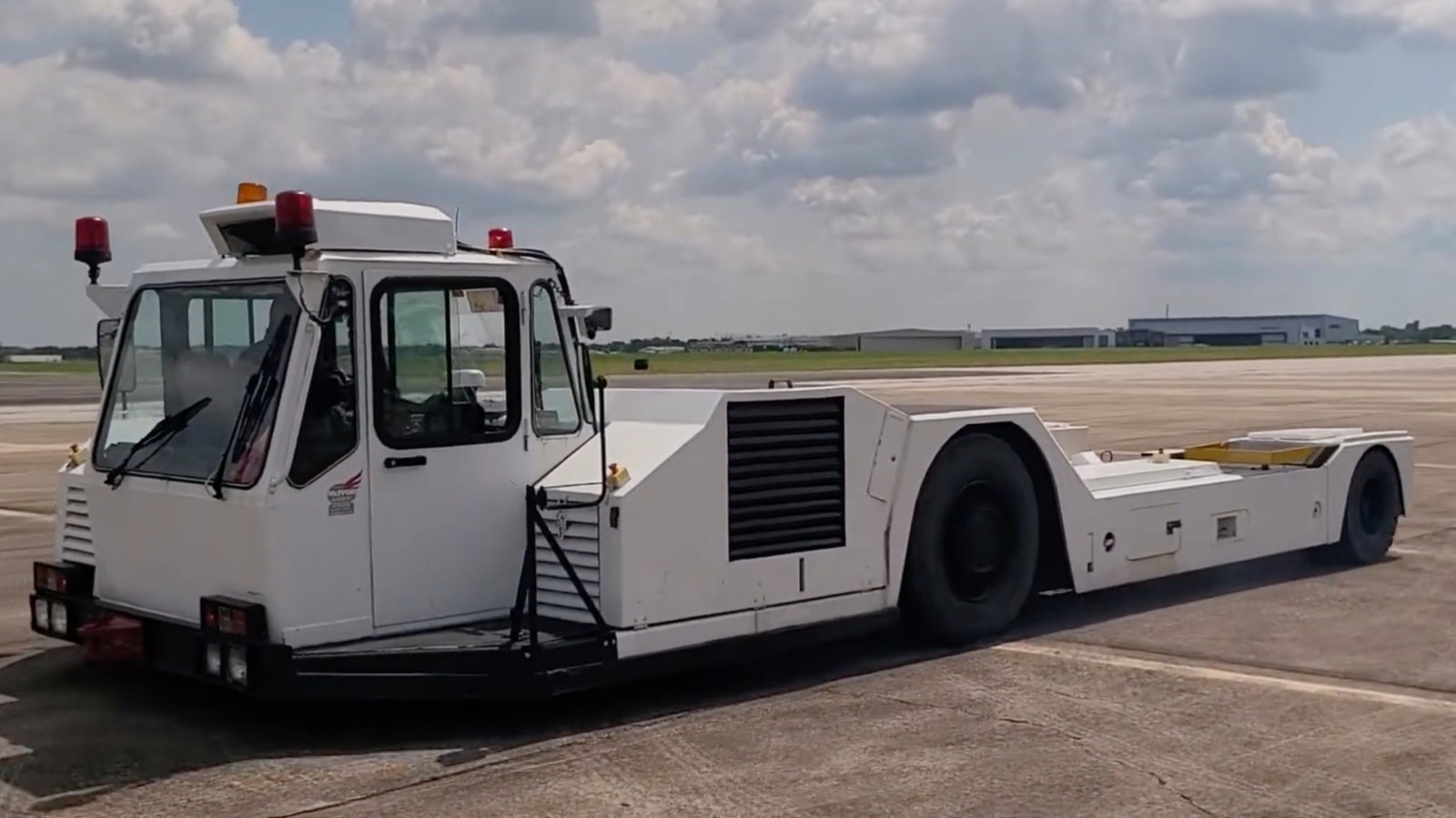
# The Douglas-Kalmar TBL-280 Tugmaster Claims Its Crown in Heavy-Duty Hauling
The Douglas-Kalmar TBL-280 Tugmaster has secured its position as a legitimate contender in the specialized world of industrial towing and material handling equipment. This machine represents a specific engineering solution for operations that demand serious pulling capacity in controlled environments like airports, ports, and heavy manufacturing facilities.
The TBL-280 operates in a category far removed from pickup trucks and consumer-grade towing vehicles. This is purpose-built industrial equipment designed for repetitive, heavy-load movement in confined spaces where precision and reliability trump raw horsepower metrics. The Tugmaster name itself signals intent. The vehicle combines Douglas and Kalmar engineering expertise, two names with deep roots in materials handling and industrial transport.
For operators managing fleet operations at major transportation hubs, the distinction matters enormously. A Douglas-Kalmar tugmaster handles the kind of work that consumer vehicles simply cannot sustain. Aircraft tugs, for instance, need to move planes weighing hundreds of tons across tarmacs while maintaining full control and safety margins. Container handlers at ports face similar demands. These aren't tasks where you rent a pickup truck with a weight-distribution hitch and call it solved.
The TBL-280 specification reflects this reality. The vehicle prioritizes torque delivery, directional control, and repeatability over the acceleration metrics that dominate consumer truck marketing. Industrial tug operations run 24/7 in many cases. Downtime costs money. Equipment reliability becomes the primary purchase criterion, not 0-60 acceleration or towing capacity bragging rights.
The competitive landscape for industrial tugs includes other heavy-duty manufacturers like Goldhofer, Mulag, and traditional construction equipment builders. Each system serves slightly different applications based on load requirements, terrain, and operational environment. The Douglas-Kalmar entry competes on engineering heritage and service network strength. Operators in Europe and beyond recognize both brand names as reliable industrial workhorses.
The broader context matters here too. Supply chain pressures and the push toward automated material handling have intensified interest in efficient tugmaster systems. Port automation projects worldwide require reliable tug equipment to move containers and manage yard operations. Airport expansion continues globally, driving demand for aircraft ground support equipment. Manufacturing facilities expanding production capacity need proportional increases in materials movement capability.
What separates the TBL-280 from consumer towing conversations is operational context. A pickup truck owner might tow a boat twice a year. A tugmaster operates daily, moving loads that weigh more than most residential neighborhoods' combined vehicles, with passengers' lives or expensive cargo depending on flawless performance. The engineering standards, maintenance requirements, and safety protocols reflect this reality.
The Jalopnik recognition highlights how industrial vehicles earn their reputations differently than consumer vehicles. There's no marketing campaign, no dealer incentives, no celebrity endorsements. A tugmaster earns its title through years of reliable operation, fleet operator satisfaction, and proven performance in demanding real-world conditions. The Douglas-Kalmar TBL-280 carries that earned reputation into its market segment.
For those operating massive facilities where moving heavy loads efficiently separates profitable operations from bankrupt ones, the tugmaster designation carries weight. It represents engineered capability, not clever marketing.