General Motors faces a recurring problem with its 6.2-liter V8 engines that persists even after official recall repairs. Owners continue filing complaints with the National Highway Traffic Safety Administration about engine failures in trucks equipped with this powerplant, suggesting the initial remedy has not solved the underlying issue.
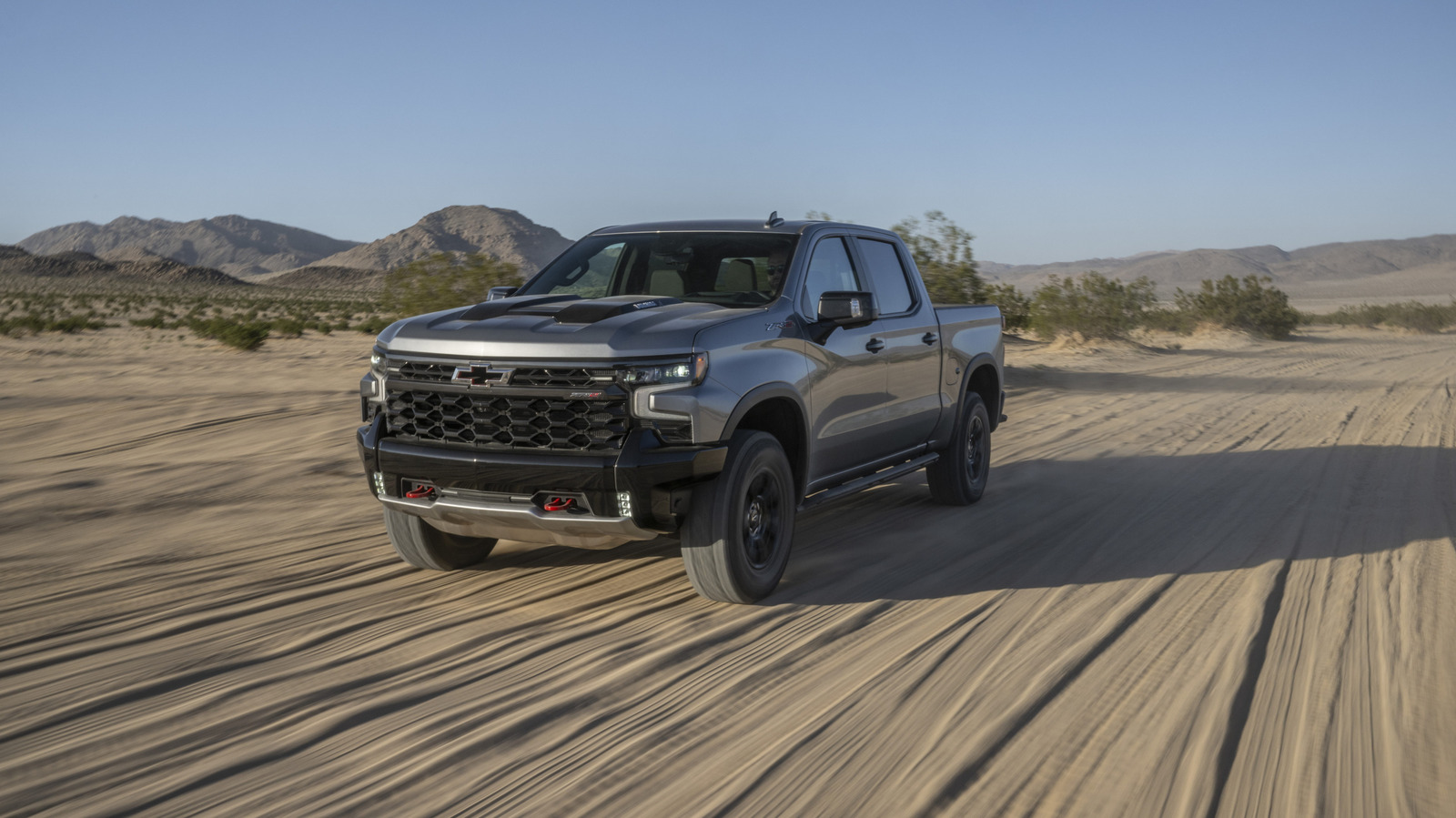
The 6.2L V8 powers popular GM trucks including the Chevrolet Silverado and GMC Sierra lineup. This engine became the focus of a recall after early reports of premature failure, leading GM and NHTSA to authorize replacement or repair work at dealerships nationwide. Yet owners are still experiencing problems after getting their vehicles serviced under the recall campaign.
This pattern indicates a fundamental disconnect between the repair procedure and the root cause of the failures. Either GM's technical diagnosis missed the actual problem, the fix itself contains flaws, or a separate defect exists beyond what the recall addressed. Without knowing the specific failure mode, it's difficult to assess whether this reflects a calibration issue, manufacturing defect, or design flaw in the engine itself.
For truck buyers, this creates frustration and erodes confidence in GM's quality control. The 6.2L V8 represents a premium powertrain choice. Buyers selecting this engine typically pay a significant upcharge expecting reliability and durability befitting its price. Repeated failures even after warranty work damage brand reputation and leave owners questioning whether they should trust their vehicle for towing, hauling, or daily duty.
The continued reports also place pressure on NHTSA to investigate whether the original recall scope was insufficient. Regulators may determine that a broader remedy is needed, potentially expanding the campaign to additional model years or vehicles not originally included. A second recall would signal that GM's engineering and quality assurance processes failed to identify and eliminate the problem on the first attempt.
This situation reflects broader quality challenges within the American truck market. Trucks represent the highest-margin segment for domestic manufacturers, making them critical to profitability. When engines in these vehicles fail prematurely, it creates legal and warranty cost exposure for the company while damaging buyer loyalty in one of the most competitive markets in automotive retail.
GM has not publicly announced plans for a secondary recall or revised repair procedure. The company typically investigates patterns in failure reports to determine if a formal campaign is warranted. If NHTSA receives sufficient complaints indicating the recall repair did not resolve the problem, the agency can petition GM to expand or modify the original remedy.
Owners experiencing continued issues should document their problems meticulously and report them to NHTSA through the agency's website. Multiple reports of the same issue strengthen the case for regulatory action and help establish patterns that might otherwise go unnoticed. Owners may also have warranty claim options through GM's dealership network, depending on vehicle age and mileage.
The 6.2L V8 engine represents significant horsepower and torque for truck applications. This continuing problem underscores how powerplants must combine performance engineering with bulletproof reliability. As GM works to resolve this issue, its response will influence buyer confidence in the brand's truck engines heading into a critical product cycle.