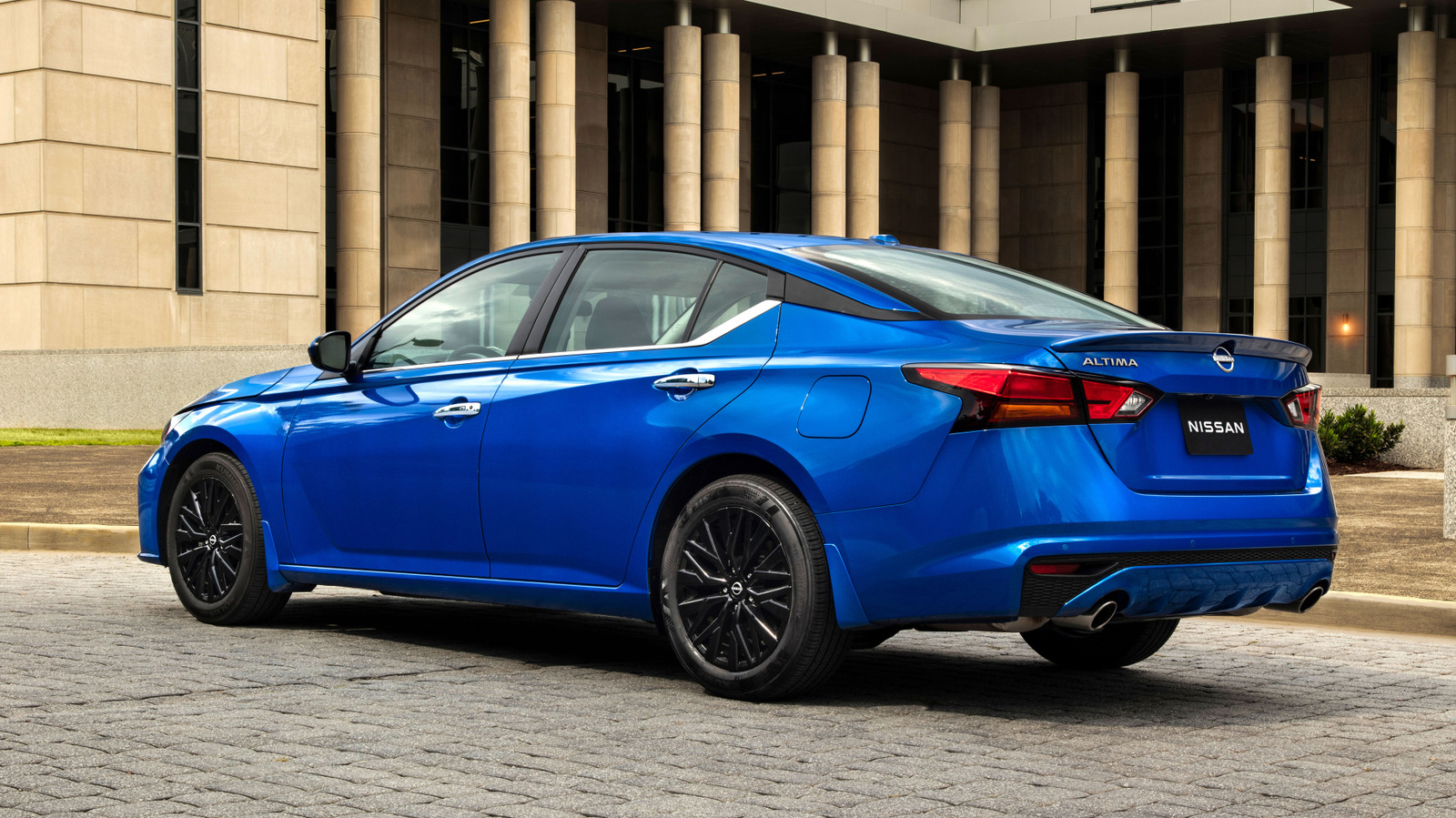
Nissan discovered a two-day manufacturing error at one of its plants where technicians installed front passenger airbags using non-conforming mounting bolts. The bolts lacked the proper specifications for their application, creating a potential safety issue in affected Altima sedans.
The problem affected both the front passenger main airbag and knee airbag installations. These components represent critical safety systems designed to deploy during frontal collisions. Using incorrect fasteners introduces uncertainty about proper airbag function during a crash. The bolts may not provide adequate clamping force, could shift during deployment, or fail to restrain the airbag module in its intended position.
Nissan manufactures the Altima at multiple North American facilities. The company has not yet disclosed the exact plant where this error occurred, but the two-day production window suggests a limited build window was affected. The manufacturer discovered the non-conformity during internal quality checks, which likely occurred after vehicles left the assembly line.
This type of fastener substitution happens occasionally in automotive manufacturing when bins get mixed up, part numbers are misread, or suppliers deliver incorrect items. However, bolts represent one of the least forgiving areas for substitution because their load-bearing capacity directly affects crash performance. Engineers specify exact bolt grades, thread pitches, and clamp loads for safety-critical applications. Generic or lower-grade fasteners can fail under the forces generated during airbag deployment.
Nissan will likely issue a recall and notify owners to bring affected vehicles to dealers for bolt replacement. The repair should take minimal time since technicians simply need to remove the incorrect fasteners and install proper ones. This represents a straightforward remedial action, which typically generates lower owner frustration than recalls requiring component replacement.
The Altima remains one of Nissan's volume players in the midsize sedan segment, competing directly against the Toyota Camry, Honda Accord, and Hyundai Sonata. Midsize sedans face declining sales trends across the industry as consumers shift toward crossovers and SUVs. Manufacturing defects like this one can erode brand confidence at a time when Nissan already faces execution challenges in bringing new products to market and managing quality.
Quality lapses during fastener installation raise questions about assembly line oversight and parts management systems. Modern automotive plants employ statistical process control and automated verification steps specifically to catch deviations from engineering specs. The fact that this error persisted for two days without detection suggests either the verification system didn't catch bolt substitutions, workers bypassed documentation requirements, or the wrong parts were issued from kitting systems.
Nissan's quality reputation has faced scrutiny in recent years following various recalls and production issues. This airbag bolt error, while relatively minor in scope and easily correctable, adds another data point to concerns about manufacturing discipline. The company has invested heavily in plant modernization and quality initiatives, yet defects continue emerging.
Owners of affected 2024 or 2025 Altima models should watch for recall notifications from Nissan. Dealers will contact owners directly or customers can check their vehicle status on NHTSA's website using their VIN. Until the bolts are replaced, the airbag system's crash protection cannot be guaranteed to function as designed.