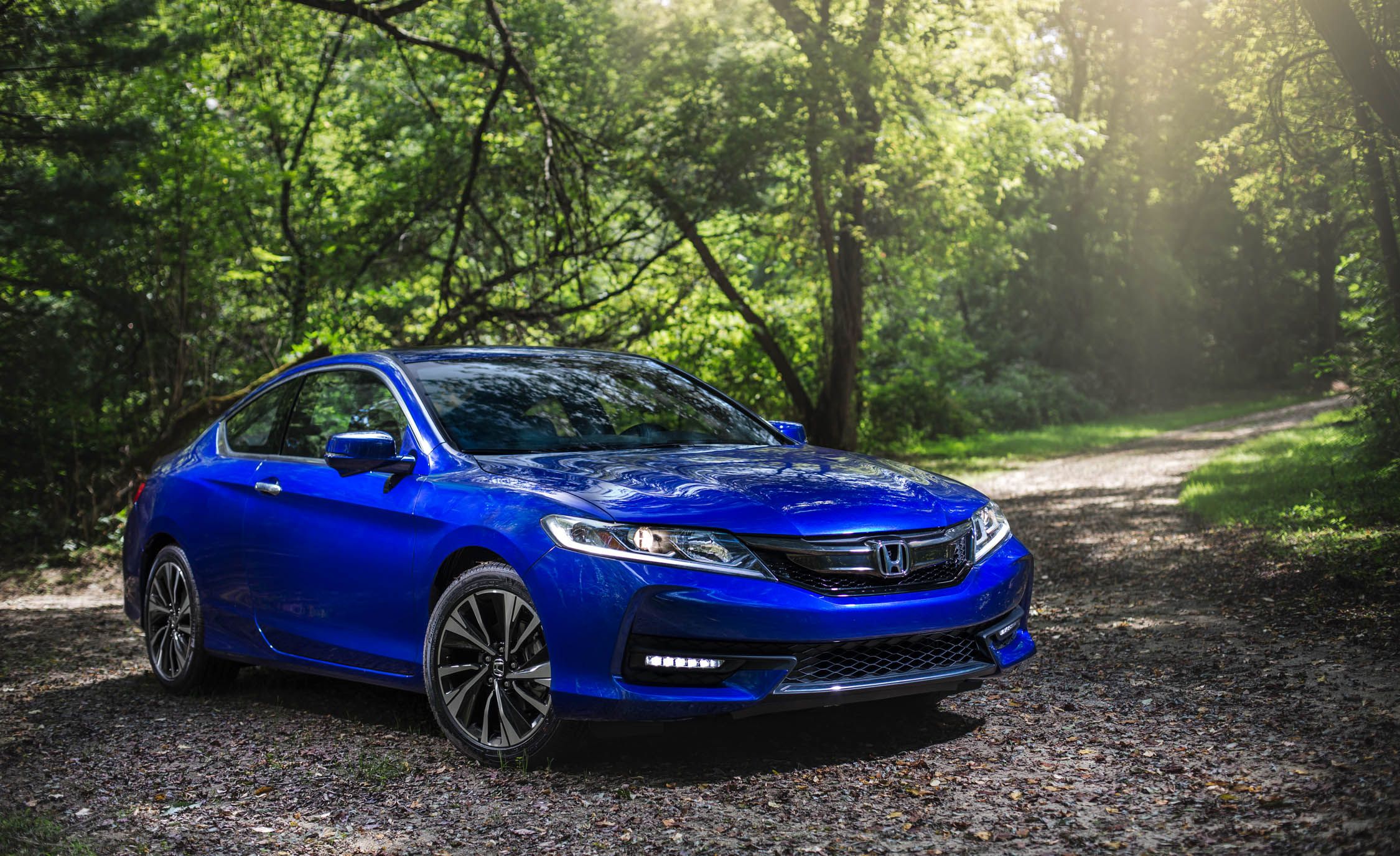
The two-door coupe market has collapsed over the past decade, with the Honda Accord Coupe serving as a prime casualty. Honda discontinued the Accord Coupe after the 2017 model year, eliminating one of the last affordable, driver-focused coupes available to mainstream buyers. The segment's decline reflects a seismic shift in consumer preferences and manufacturer profitability calculations.
Several factors killed the traditional two-door coupe. Sedans and crossovers generate higher transaction prices and profit margins. Buyers increasingly prioritize practicality, cargo space, and passenger room. Insurance costs for coupes remain steeper than sedans due to crash test procedures and loss history data. Manufacturing plants operate more efficiently when building fewer body styles, so automakers consolidated production around sedans and SUVs where volumes justified the investment.
The Accord Coupe's death was particularly symbolic because Honda had built credibility in the segment for decades. The coupe attracted buyers who wanted performance character without sports car pricing. Its naturally aspirated engines, responsive steering, and available manual transmission appealed to enthusiasts on modest budgets. When Honda killed it, the brand signaled that even mainstream manufacturers no longer saw value in serving drivers who prioritized handling and engagement over space and utility.
Ford's Mustang remains the only true American-market coupe with genuine sales volume. Toyota discontinued the 86's North American sibling, the Scion FR-S, though the jointly-developed Toyota GR86 continues globally and imported units find their way to dedicated fans. Chevrolet stopped building the Camaro after 2024, narrowing options further. Dodge's Challenger and Charger bow out completely this year as the brand pivots entirely to electric vehicles.
The luxury segment offers alternatives, though at steeper prices. BMW sells the M440i Coupe and M440i xDrive, which start around 60,000 dollars. Mercedes-Benz's C63 AMG Coupe commands premium money. Porsche's 911 remains the ultimate performance coupe, but ownership requires deep pockets and six-figure spending.
The surviving American performance coupes tell the story of what survives. The Mustang endures because Ford positioned it as a cultural icon and allowed buyers to configure it with affordable base engines and manual gearboxes. Chevy's Camaro lasted longer than skeptics predicted, but never matched Mustang volume. Both vehicles face the same headwind: market demand for two-door anything has flatlined.
Practical factors explain why coupes struggle. A coupe loses significant rear legroom compared to its sedan twin. Access to back seats becomes awkward. Cargo flexibility diminishes. In an era when buyers spend substantial sums on vehicles, the coupe's compromises feel unnecessary when a sedan costs the same or less while offering more utility.
Crossovers completed the coupe's extinction. Why buy an affordable two-door when a compact SUV provides more interior space, better visibility, higher seating position, and all-wheel-drive options at comparable prices? Manufacturers shifted resources to this segment because profit per unit climbed faster than sedans.
The Accord Coupe's absence highlights how thoroughly the automotive market has reorganized around SUVs and crossovers. That particular car represented a path manufacturers abandoned. For buyers seeking a new two-door today, inventory shrinks yearly. The Mustang remains the most accessible domestically-produced coupe, but even that icon's future depends on meeting electric vehicle mandates and shifting buyer expectations away from performance toward energy density and charging infrastructure.