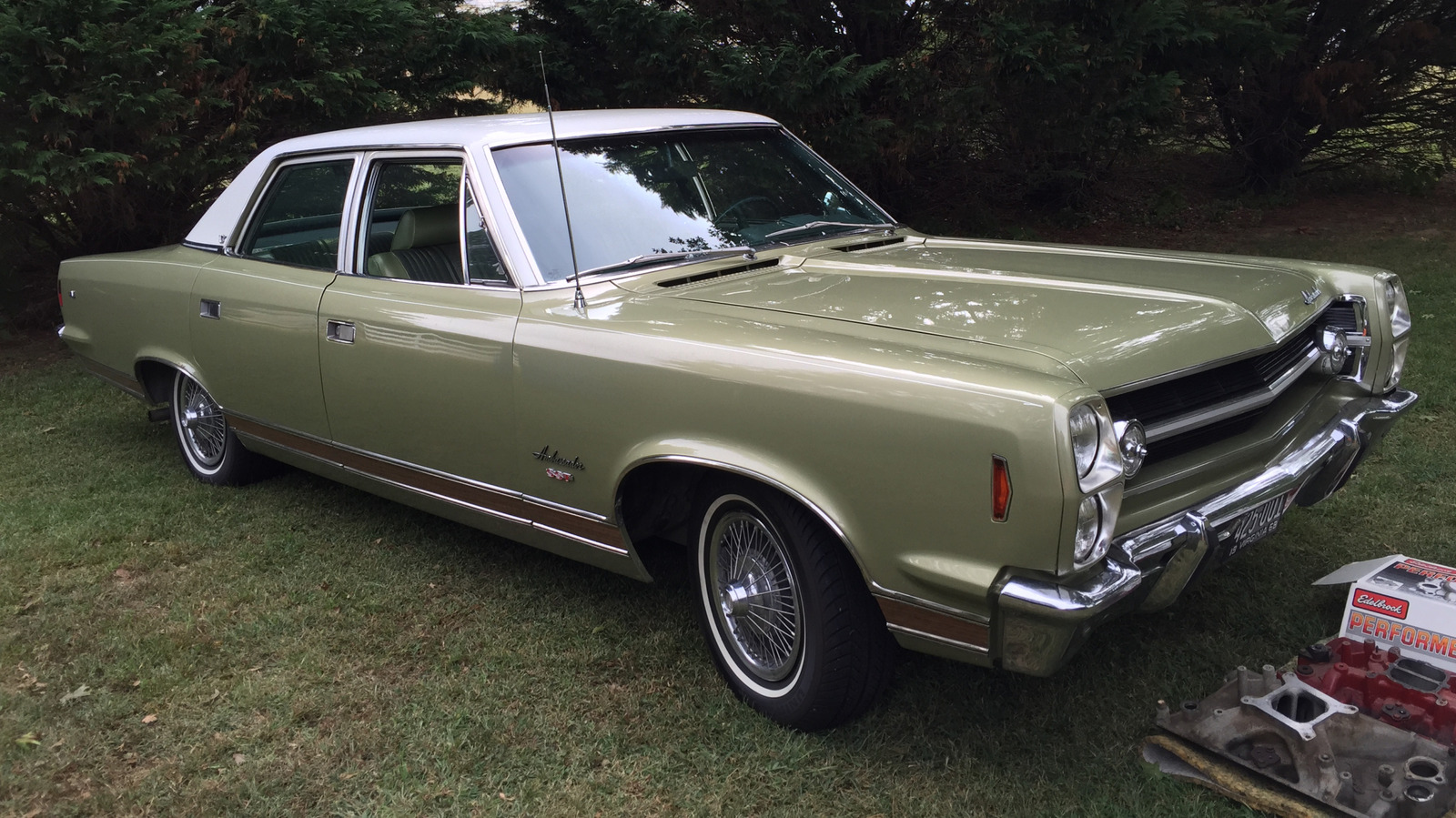
# When Air Conditioning Stopped Being A Luxury Amenity
Air conditioning in automobiles began as an exclusive feature reserved for wealthy buyers and premium marques. The technology existed, worked reasonably well, and cost manufacturers significant money to install. For decades, most Americans tolerated sweltering summer drives with windows down and fabric seats soaked in sweat. Then one sedan changed the calculation entirely.
The specific model in question brought factory air conditioning within reach of middle-class families for the first time. Rather than accepting A/C as a $500-plus luxury add-on only affluent buyers could justify, this vehicle made the decision economics work for mass production. Manufacturers suddenly faced a choice: compete on comfort features or lose buyers to a competitor offering better climate control at an accessible price point.
This democratization of automotive air conditioning followed a predictable industry pattern. A luxury feature proves its appeal among high-income consumers. A volume producer recognizes the demand and finds a way to manufacture it cheaper. Suddenly the feature becomes standard across the segment, then the industry. Power steering followed this same trajectory. So did automatic transmissions, power windows, and seatbelts with pretensioners.
The sedan's impact rippled through the 1950s and 1960s American market. Once buyers realized they could afford A/C, they refused to buy cars without it. The feature stopped being optional luxury and became baseline expectation. Manufacturers who delayed adoption lost market share to competitors who recognized the shift faster. Supply chain improvements and manufacturing scale brought costs down further, accelerating adoption across lower-priced models.
Today's automotive landscape reflects this history. A new compact car costing $20,000 includes air conditioning as standard. Upper-level trim packages offer dual-zone climate control, heated seats, ventilated leather, and air purification systems worth thousands of dollars. But the base functionality that once defined "luxury" now represents the bare minimum consumers expect in any new vehicle, regardless of price point.
This sedan's legacy extends beyond comfort. It demonstrated how mass-market manufacturers could compete against premium brands not by matching their quality or prestige, but by making their exclusive amenities affordable and accessible. It proved that volume production could solve the cost problem, turning engineering challenges into manufacturing advantages. Every automaker now uses this playbook. Features filter down from flagship vehicles through mid-range models until they reach entry-level trim levels.
The move toward standard A/C also forced manufacturers to improve vehicle engineering broadly. Engines required better cooling systems. Electrical systems needed upgrades to handle compressor loads. Body designs changed to accommodate ducting. These cascading improvements benefited entire vehicle platforms, not just climate control. The sedan that brought A/C to the masses inadvertently pushed automotive technology forward across multiple systems.
Understanding this history matters when evaluating today's industry consolidation and feature stratification. Premium manufacturers worry constantly about features trickling downmarket too quickly, eroding their brand differentiation. Yet history shows this trend is unstoppable. Whatever luxury brands offer today becomes mainstream tomorrow. Autonomous driving features, advanced driver assistance systems, and premium audio will follow the same path this sedan established for air conditioning decades ago.