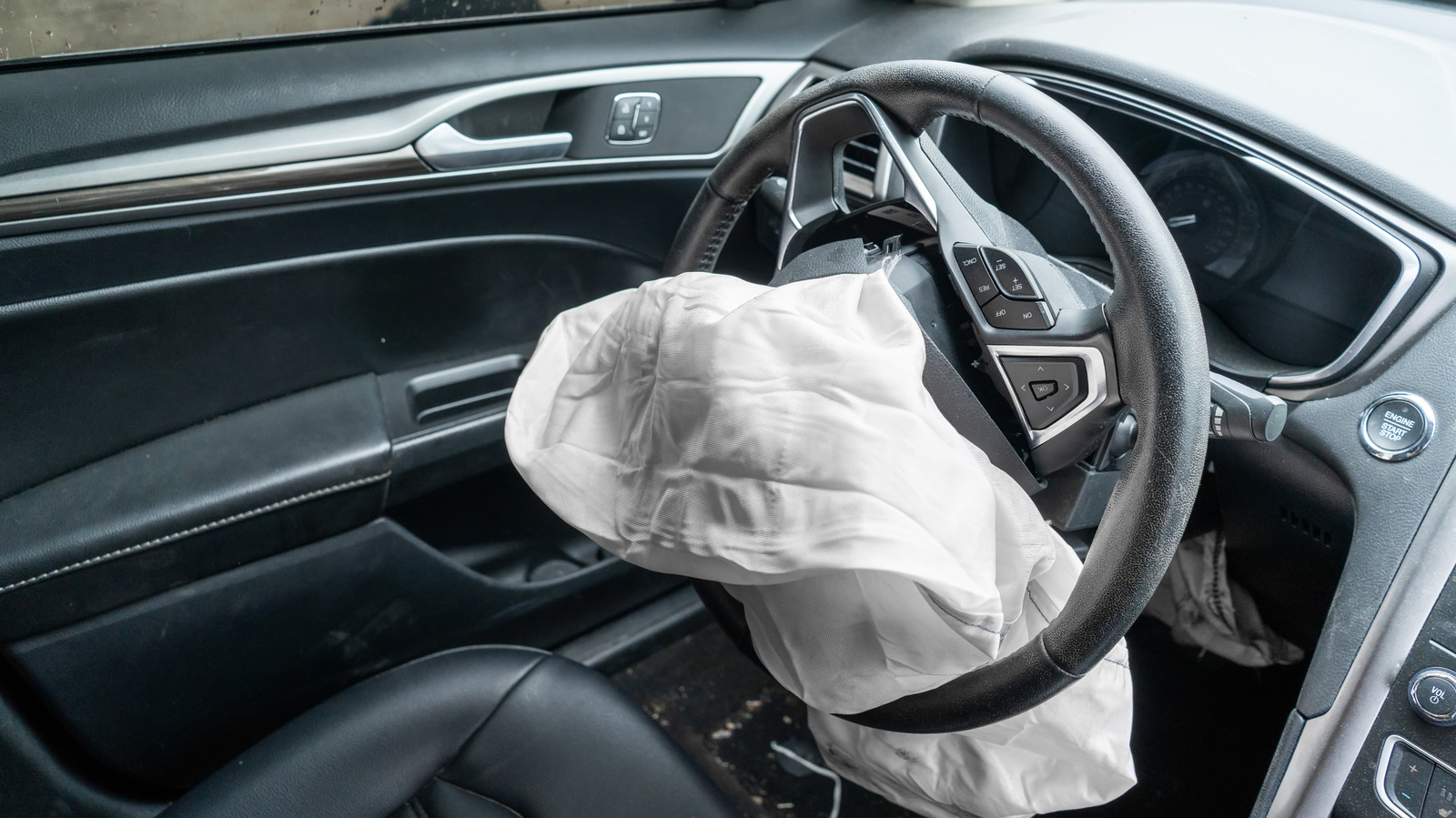
eBay has moved to eliminate a serious safety loophole by banning the sale of airbags, airbag inflators, and steering wheel airbag covers starting September 24, 2026. The policy shift addresses a persistent problem that has plagued the used parts marketplace for years: counterfeit and defective airbag components flooding online channels and reaching consumers who install them into vehicles.
Airbags rank among the most dangerous automotive components to source from unverified sellers. A malfunctioning airbag can fail to deploy during a crash, leaving occupants unprotected. Worse, counterfeit inflators sometimes deploy with excessive force, causing injuries that rival the impact they aim to prevent. The National Highway Traffic Safety Administration has documented cases where substandard airbag units purchased online created genuine safety hazards after installation.
The counterfeit airbag market thrives because the components command significant value in the secondhand parts economy. A factory airbag module from a late-model vehicle can cost $400 to $800 at a dealership but might sell for $100 to $300 used. That price differential creates opportunity for bad actors to flood platforms like eBay with untested, remanufactured, or outright fake units. Buyers chasing bargains often lack the technical knowledge to verify authenticity.
eBay previously attempted to manage this category through seller restrictions and buyer protections, but those measures proved insufficient. The platform required certain certifications for airbag sellers and prohibited listings for recalled units, yet counterfeit products still slipped through. The company ultimately concluded that a complete ban represented the only effective safeguard.
This decision carries real implications for the automotive aftermarket and DIY repair community. Legitimate recyclers and certified parts distributors operate through proper channels with supply chain verification. Independent shops and technicians will need to source airbags exclusively through OEM dealerships, certified salvage yards with proper documentation systems, or NHTSA-approved remanufacturers. The ban eliminates a gray market that, while dangerous, did provide lower-cost options for cost-conscious vehicle owners.
The timing matters. eBay's ban takes effect in late 2026, giving sellers several months to clear existing inventory and adjust their business models. Some sellers may pivot to other online marketplaces, though Facebook Marketplace, Craigslist, and specialty automotive sites face similar pressures to tighten airbag restrictions.
Insurance companies and safety advocacy groups have pushed for exactly this type of restriction. The Insurance Institute for Highway Safety and consumer protection organizations have documented incidents where cheaply sourced airbag components failed or misfired. Regulators lack direct authority over private marketplaces, so platform-level restrictions represent one of the few tools available to reduce consumer exposure to dangerous parts.
For buyers, the ban eliminates a tempting but risky shortcut. Those needing airbag replacement will pay more through legitimate channels, but they gain assurance that components meet federal safety standards and carry manufacturer accountability. Dealership parts departments and certified recyclers can provide documentation chains that prove authenticity and proper handling.
eBay's move signals broader pressure on online marketplaces to police automotive safety categories more aggressively. Other platforms will likely follow suit as liability concerns and regulatory scrutiny intensify. The automotive aftermarket will consolidate around verified distribution channels, ultimately improving safety outcomes despite higher consumer costs.