# How World War II Rationing Reshaped American Driving Culture
The United States' entry into World War II transformed everyday driving from a leisure activity into a controlled commodity. Fuel and rubber shortages forced federal authorities to impose sweeping restrictions on vehicle use, speed, and purchasing that lasted from 1942 through 1945. These wartime measures reveal how quickly government intervention can reshape transportation behavior and consumer access.
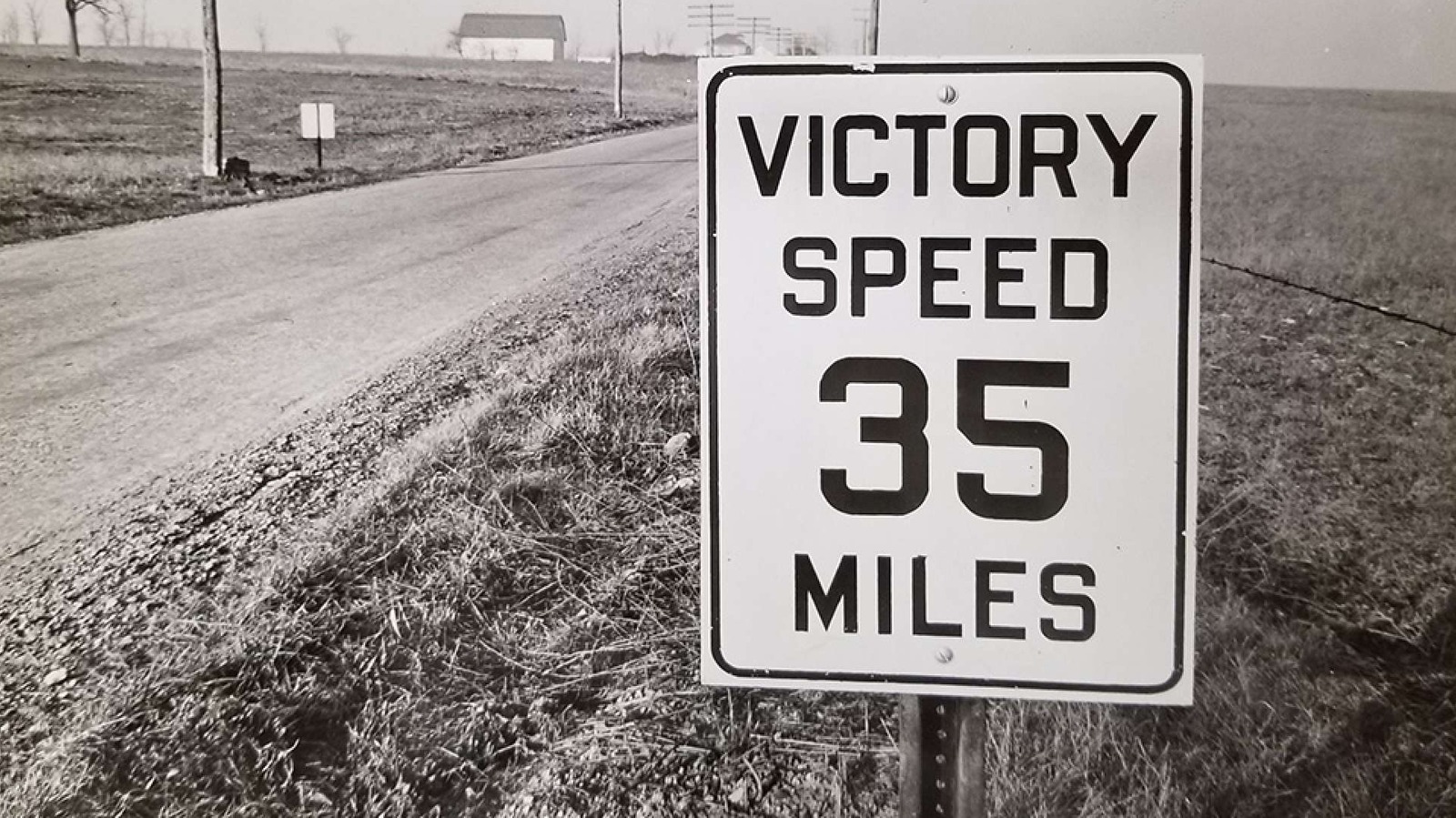
The 35 mph national speed limit became the iconic symbol of wartime driving restrictions. Federal authorities implemented this ceiling in 1942, framing it as a conservation measure tied to rubber rationing. Every tire in America faced severe shortage as Japanese forces controlled rubber-producing regions in Southeast Asia. The speed limit directly addressed this crisis. Driving slower meant less brake wear, less tire friction, and extended rubber life for military vehicles and civilian needs. The government's message was blunt: civilians who raced down highways were stealing resources from soldiers.
Fuel rationing operated on a permit system that stratified American drivers into distinct classes. Essential workers received A stickers, allowing unlimited gasoline. Medical professionals, police, and industrial workers qualified. B stickers went to people whose work required regular driving but wasn't classified essential. C stickers covered a narrow range of approved purposes. And then came the devastating X sticker. Recreational drivers received X classification, which meant no ration coupons at all. Driving for pleasure became literally illegal for millions of Americans.
The government banned new car sales entirely from 1942 until 1945. Manufacturing capacity shifted entirely to military production. Jeeps, trucks, and tanks rolled off assembly lines while civilian auto plants sat idle. Americans couldn't buy their way into better transportation. Used car markets exploded as people scrambled to repair old vehicles rather than face transit without an automobile.
Sunday drives, a staple of American culture, became forbidden. Authorities banned driving for entertainment purposes outright. Some jurisdictions prohibited driving on certain days of the week. The restriction hit hard in a nation where automobile freedom had become central to identity and leisure culture. People adapted by carpooling to essential destinations and walking or cycling for local needs.
Enforcement was neighborhood-based and social. Block wardens and citizen committees monitored local compliance. Neighbors reported neighbors. Gas station attendants verified coupon authenticity. Social stigma attached to violators. Caught driving recreationally, you faced fines, confiscation of ration coupons, and community shame. The system worked through visibility and collective pressure as much as official punishment.
When peace arrived and rationing ended in 1945 and 1946, the pent-up demand for driving exploded. Americans who had endured years of restrictions raced to purchase new vehicles when production resumed. Car sales soared. Highway construction accelerated. The postwar boom reflected not just prosperity but psychological release from enforced scarcity.
The wartime experience shaped long-term attitudes about government authority over transportation. Americans proved capable of accepting strict controls during genuine crisis, yet they also demonstrated appetite for rapid decontrol once the threat passed. Modern discussions about fuel economy standards, speed limits, and driving restrictions often invoke wartime precedent, though the voluntary nature of today's measures differs from mandatory rationing.