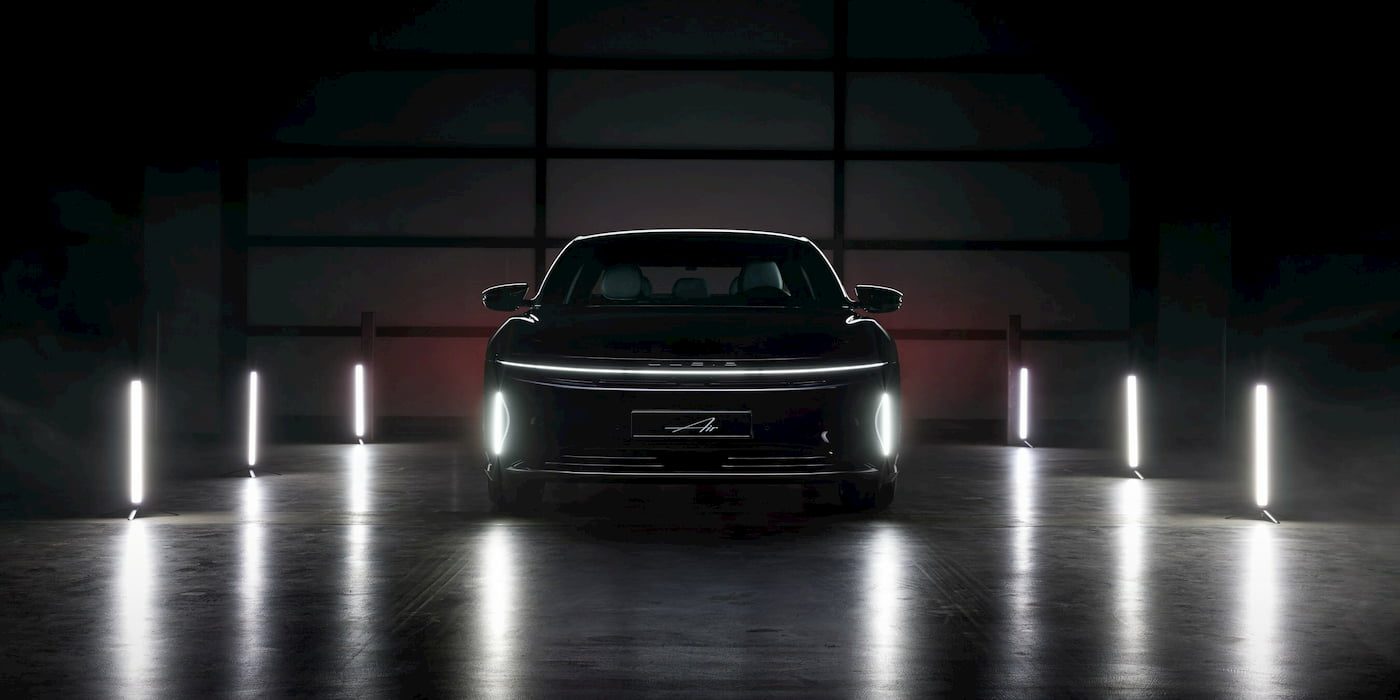
Lucid Motors issued a recall affecting 27,000 vehicles over what headlines framed as a fire risk, but the actual issue proves far more mundane than panic-inducing coverage suggested. The problem centered on an electronic fuse that controls the vehicle's LED lighting system. That fuse could overheat under specific conditions, creating a theoretical fire hazard. Lucid, however, had already resolved the issue through a software update rolled out in July before formally announcing the recall.
The distinction matters for understanding both the severity of the defect and Lucid's response timeline. Electronic fuses differ fundamentally from traditional mechanical fuses. They're semiconductor components that manage electrical current flow, and they can malfunction if firmware doesn't properly regulate power delivery. In this case, the LED light circuit wasn't receiving correct voltage management from the vehicle's software, causing the fuse to draw excessive current and generate heat.
Lucid deployed a software patch last month that corrected the voltage regulation logic. The update prevented the fuse from remaining in an overheated state by ensuring proper power distribution to the LED circuit. Once customers received that over-the-air update, the risk essentially disappeared. The formal recall announcement came after the fact, following standard regulatory procedure.
This scenario reflects a broader industry shift toward addressing hardware vulnerabilities through software deployment. Traditional automakers relied on hardware redesigns and dealer service campaigns to fix electrical gremlins. Modern EV manufacturers like Lucid can push firmware corrections directly to connected vehicles, eliminating the need for owner intervention or physical replacements in many cases. Lucid owners didn't need to schedule appointments or wait for parts. Their vehicles simply received the fix overnight through the manufacturer's update pipeline.
The recall itself impacts the Lucid Air, the company's flagship sedan available in multiple configurations including the Midnight Dream Edition. The Air represents Lucid's core offering as the startup battles to expand beyond its ultra-premium positioning and reach volume production. Any quality issues feed investor concerns about manufacturing reliability, even when root causes prove straightforward.
Lucid's communication strategy here shows room for improvement. The company could have been more transparent upfront about the specific nature of the defect and the July software fix. Allowing mass media outlets to sensationalize a LED circuit issue as a fire risk without immediate clarification damages credibility with consumers and investors alike. In the EV market, where every recall headline travels at light speed through social media, precision in messaging matters enormously.
The broader context: Lucid faces persistent production constraints and cash burn concerns as it attempts to scale manufacturing at its Arizona factory. Quality and reliability are paramount to survival. A 27,000-unit recall sounds catastrophic until you understand it was a preventable LED fuse issue already solved by software. That's the story that should have led.