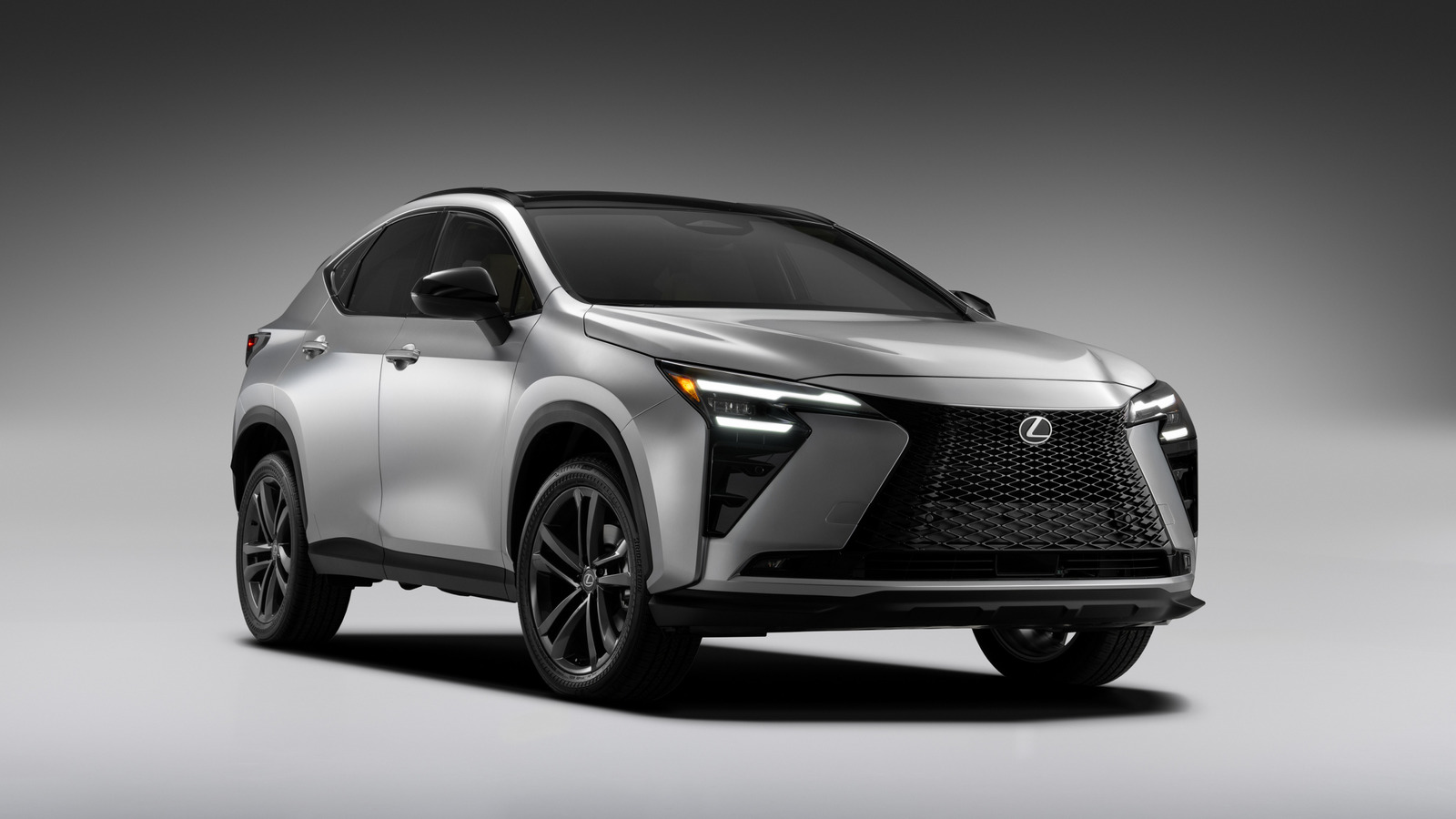
# 2027 Lexus NX Goes Hybrid-Only, Drops Gas Engine for Full Electrified Lineup
Lexus is eliminating the gasoline-only NX 350 entirely for the 2027 model year. The refreshed NX crossover lineup now consists exclusively of the NX 350h hybrid and NX 450h+ plug-in hybrid, marking another step in Toyota's luxury brand's shift toward electrification.
The move reflects broader industry pressure to reduce fleet emissions and align with tightening regulatory standards. Lexus discontinued the conventional gas engine option to streamline production and push buyers toward hybrid powertrains, both of which deliver superior fuel economy compared to the outgoing gasoline variant.
The NX 350h retains a 2.5-liter four-cylinder engine paired with dual electric motors, producing 239 horsepower and managing efficiency that appeals to mainstream luxury buyers who want low fuel costs without range anxiety. The plug-in hybrid NX 450h+ adds a larger battery pack and all-wheel-drive capability as standard, delivering approximately 36 miles of pure electric range before the engine kicks in for longer journeys. The critical upgrade here involves DC fast-charging capability, a feature the previous generation lacked. This addition makes the 450h+ genuinely competitive with battery-electric vehicles for daily commutes and weekend trips, addressing a key limitation that plagued PHEV owners seeking quick charging during road trips.
The 2027 refresh also brings standard equipment expansions that improve the overall value proposition. A larger touchscreen display becomes standard across the lineup, addressing a common complaint about previous NX interiors feeling dated relative to competitors like the BMW X3 and Mercedes-Benz GLC. Lexus introduced a feature called the "Sensory Concierge," which uses onboard sensors and connectivity to personalize cabin environment settings like ambient lighting, temperature, and audio preferences based on driver behavior and preferences. This kind of customization appeals to luxury buyers who expect technology to anticipate their needs rather than simply respond to commands.
The NX competes directly in the compact luxury crossover segment, a market dominated by German marques and increasingly threatened by electric entrants. By going hybrid-only, Lexus avoids cannibalizing potential EV sales while offering buyers who remain hesitant about full electrification a credible alternative with lower total cost of ownership. The DC fast-charging addition to the 450h+ is particularly shrewd, bridging the gap between traditional hybrids and pure electric vehicles without sacrificing the engine's reassurance that appeals to conservative luxury buyers.
Toyota's hybrid architecture has proven exceptionally reliable over decades of production, lending confidence to the powertrain choice. Lexus benefits from that engineering credibility while pursuing a graduated approach to electrification rather than abandoning combustion engines entirely. This strategy differs from some competitors who have committed to full EV-only lineups by specific dates.
The 2027 NX will arrive at dealerships later this year, priced competitively within the compact luxury crossover segment. Lexus expects the hybrid-only strategy to improve its sustainability metrics while maintaining sales volume in a competitive class where pricing and practicality drive purchasing decisions as much as performance credentials.