# 2027 Range Rover Electric Finally Arrives With 542 HP and 333-Mile Range
Land Rover has unveiled the 2027 Range Rover Electric, concluding a five-year development cycle that began with initial announcements in 2022. The luxury SUV delivers 542 horsepower and an EPA-estimated range of 333 miles on a single charge, positioning itself as a direct EV alternative to the conventionally powered Range Rover lineup.
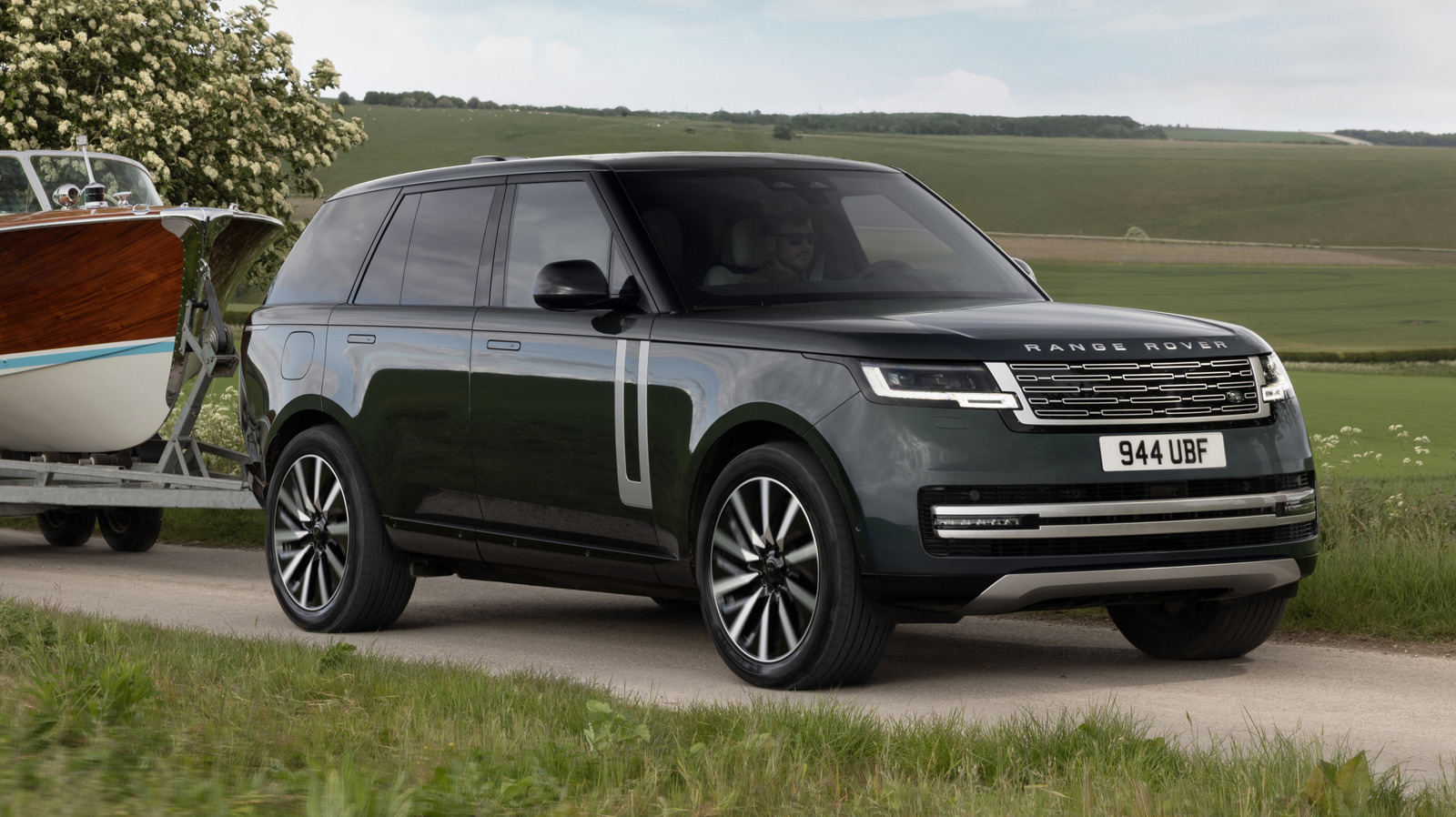
The electric Range Rover maintains design continuity with gasoline variants. This decision reflects a deliberate strategy to preserve brand recognition and appeal to existing Range Rover customers uncomfortable with radical styling departures. The exterior silhouette remains unmistakably Range Rover, with the same commanding proportions, horizontal grille treatment, and squared-off bodywork that have defined the nameplate for decades.
The powertrain delivers respectable performance for a large luxury SUV. At 542 hp, the electric Range Rover exceeds the output of the current gasoline-powered 4.4-liter twin-turbocharged V8 model, which produces 518 hp. This power advantage aligns with EV industry trends where electric motors provide immediate torque delivery without turbo lag. Acceleration figures remain unconfirmed, but comparable electric SUVs in this class achieve 0-60 mph times in the mid-5-second range.
Range proves adequate for the target demographic. The 333-mile EPA rating sits comfortably above the 2025 electric Range Rover Sport's 330-mile capability, though it trails the 350-mile capability of the Tesla Model X and the 352-mile range of the BMW iX xDrive50. For customers accustomed to gasoline Range Rovers with 400-plus-mile fuel ranges, the transition requires modest behavioral adjustment, particularly for international driving and expedition scenarios where charging infrastructure remains spotty.
The 350-kW fast-charging capability enables 10-to-80-percent recharging in approximately 25 minutes under optimal DC fast-charging conditions. This specification matches leading competitors and positions the Range Rover favorably against Rivian's R1S, which supports 210 kW maximum charging, and the upcoming Kia EV9, which charges at 233 kW maximum.
Land Rover retained off-road technology as a core differentiator. The electric Range Rover carries forward Terrain Response 2, electronic locking differentials, adaptive air suspension, and all-terrain wheels. The lower center of gravity afforded by floor-mounted battery architecture improves off-road stability compared to gas-powered variants. These capabilities address a central concern among Range Rover loyalists: whether EV conversion compromises the model's legendary Land Rover 4x4 credentials.
The decision to proceed with visual homogeneity across gasoline and electric Range Rovers contrasts sharply with competitors like BMW and Mercedes-Benz, which employ distinctive EV-specific design languages for their electric offerings. Porsche Cayenne and Lamborghini LM002 owners demonstrated that luxury SUV buyers prioritize brand continuity and prestige messaging over avant-garde styling. Land Rover's approach bets that Range Rover customers care more about capability, interior technology, and powertrain sophistication than exterior visual differentiation.
Production begins for 2027 model year vehicles, placing the electric Range Rover directly in competition with the Rivian R1S, the second-generation BMW iX, and the Mercedes-Benz GLC EV platform vehicles arriving in 2026-2027. Pricing remains unannounced, though expect positioning at or above current gasoline Range Rover pricing, likely starting in the $110,000-120,000 range for base configurations.