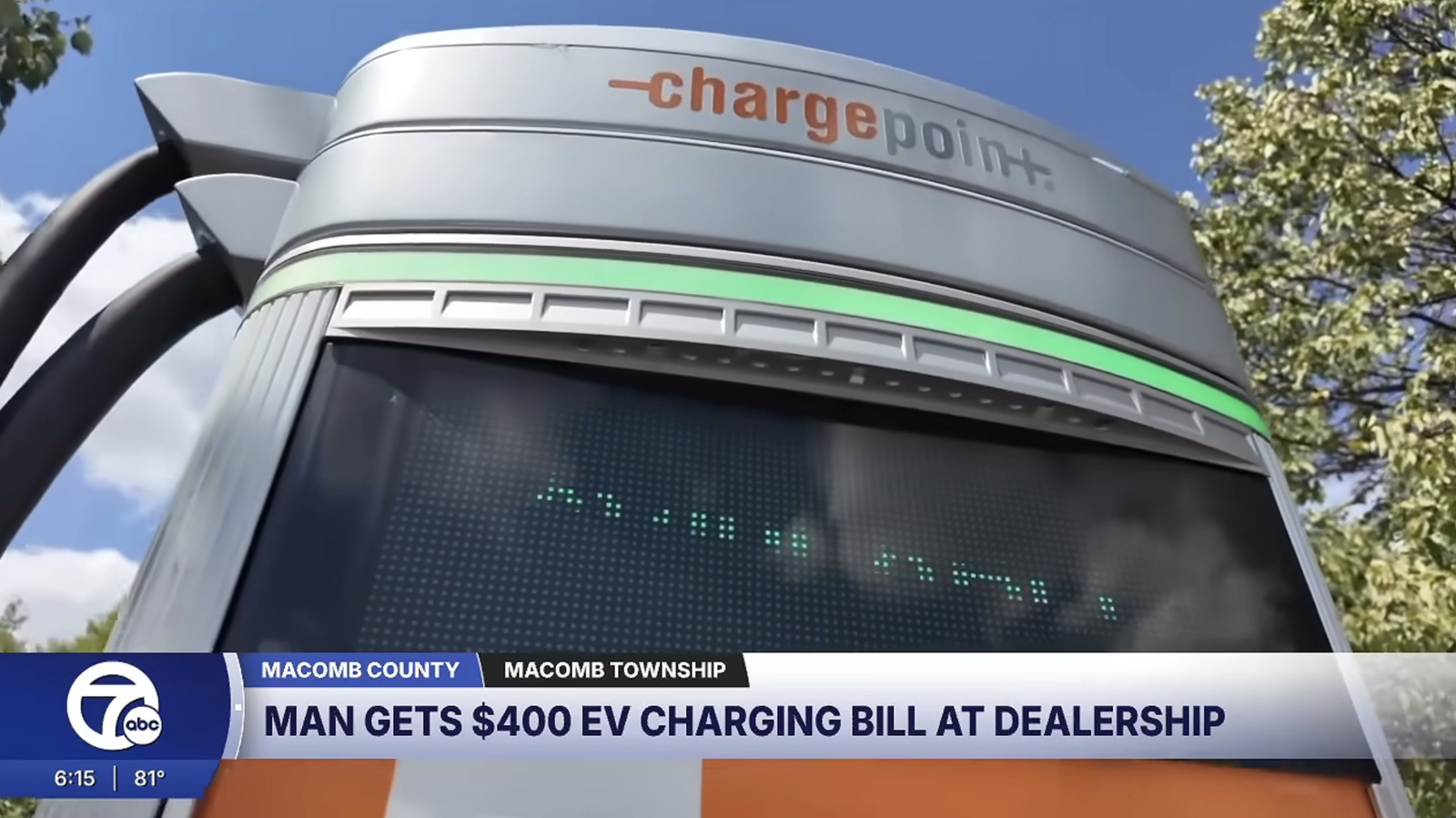
A Chevy Bolt driver faced sticker shock after using a Hyundai dealership's public EVgo fast charger for less than an hour, receiving a $418 bill for 44 minutes of charging. The incident highlights the growing friction between EV owners and the fragmented network of third-party chargers that now compete for customers in the fast-charging market.
The driver stopped at what appeared to be a public charging station located at a Hyundai dealership to add range before heading home. The EVgo charger, one of the largest DC fast-charging networks in North America, levied the massive charge for a relatively brief charging session. The cost breaks down to roughly $9.50 per minute, a rate that far exceeds typical fast-charging pricing across most networks.
This incident reflects deeper problems in the EV charging ecosystem. Unlike traditional gasoline stations with transparent, standardized pricing, EV charging networks vary wildly in cost structure. Some charge by kilowatt-hour, others by minute, and some employ membership models that reduce per-session fees. Dealership chargers present another layer of confusion, as they may operate under different pricing rules than independently owned stations.
EVgo, backed by private equity and operating over 2,000 chargers nationwide, has faced criticism before for variable pricing. The network employs dynamic pricing similar to surge pricing in ride-sharing, which means rates fluctuate based on demand and location. A busy urban charger during peak hours commands premium rates. Dealership locations often attract foot traffic and operate as captive audiences, creating conditions for higher prices.
For EV owners accustomed to predictable charging costs at home, roadside fast-charging pricing remains confusing and unpredictable. Tesla's Supercharger network, though now opening to other brands, maintains consistent pricing across its stations and clearly displays costs upfront before charging begins. Most competitors have yet to match that transparency.
The $418 charge will likely cost the driver far more than the actual electricity consumed. Fast-charging a Chevy Bolt typically adds 50-70 miles of range using about 20-25 kWh of power. Wholesale electricity rates in most U.S. markets run between 10 and 15 cents per kilowatt-hour, suggesting the actual power cost should fall below $4. The remainder of the bill covers network infrastructure, payment processing, and profit margins that vary by operator.
This pricing disparity explains why many EV owners now obsessively plan routes around Superchargers or known low-cost alternatives. The unpredictability of third-party chargers creates anxiety for potential EV buyers, particularly those considering vehicles without access to proprietary charging networks.
Hyundai and Kia have invested heavily in their own charging partnerships and dealership infrastructure, partly to avoid exactly this kind of problem. The incident underscores why automakers increasingly view charging access as a differentiator. A customer who experiences a $418 charging shock will think twice before recommending an EV to friends or purchasing another electric vehicle from the same brand.
As EV adoption accelerates, regulatory scrutiny on charging pricing practices will likely increase. Several states have begun investigating fast-charging operators for predatory pricing. The Federal Trade Commission has also raised questions about transparency in the charging space. Until standards emerge or regulations clarify expectations, EV drivers remain vulnerable to unexpected charges at public chargers operated by third parties.