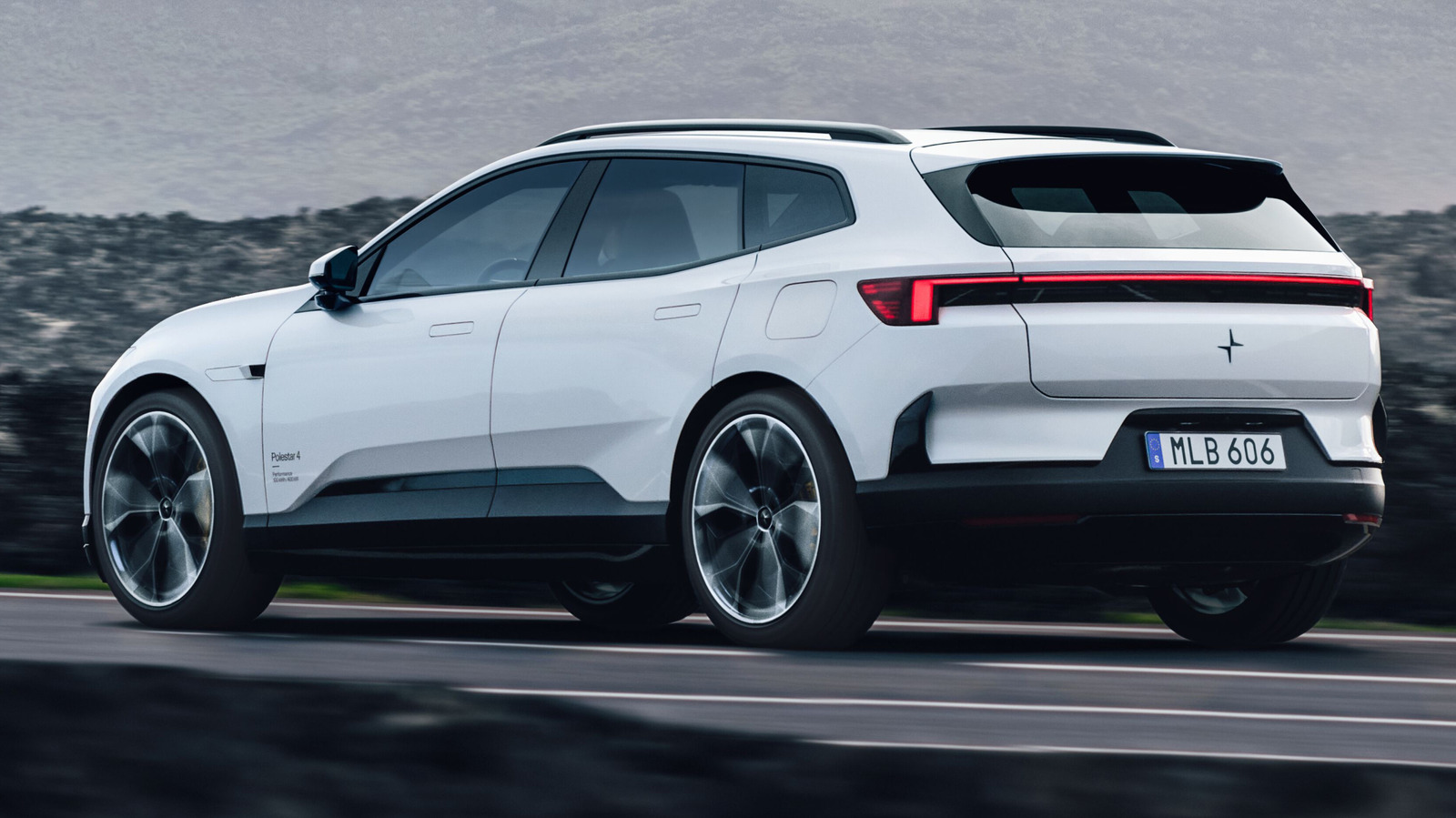
Volvo's electric performance brand Polestar has created something that defies easy categorization. The Polestar 4 splits the difference between sedan, SUV, and wagon, borrowing styling cues from all three categories while committing fully to none. That unconventional design approach would have differentiated it sharply in the American market, but Polestar has confirmed the 4 will not reach U.S. dealerships.
The vehicle's silhouette tells the story. It sits higher than a traditional sedan but lower than traditional SUVs, with a sloping roofline that extends almost to the rear bumper. This creates generous cargo space without the traditional boxy proportions buyers associate with sport utility vehicles. The result looks sleek and modern, abandoning the crossover formula that dominates global markets in favor of something genuinely different.
Polestar has positioned itself as the performance division within the Volvo Group, competing directly against brands like BMW M, Mercedes-AMG, and Audi Sport. The Polestar 4 was engineered to challenge Tesla's Model Y and other electric performance vehicles, combining Volvo's engineering DNA with contemporary EV technology. The vehicle uses Volvo's modular electric platform, the same architecture underpinning the Polestar 3 performance SUV that does sell in America.
The decision to exclude the Polestar 4 from North America reflects broader market dynamics. American consumers demonstrate consistent preference for traditional SUV proportions and ride heights, even as they shift toward electric powertrains. Buyers value commanding seating positions and unmistakable SUV styling cues. The Polestar 4's blurred category identity, while visually striking, presents a marketing challenge in a market where category clarity drives purchase decisions.
Polestar's U.S. lineup will continue with the Polestar 3, a more conventional electric performance SUV that launched in 2023. The Polestar 2, the brand's sedan flagship, remains available. This leaves a gap for buyers seeking something genuinely different in the premium electric segment. Tesla's Model Y dominates through sheer scale and Supercharger network density. BMW's i7 and Mercedes' EQS offer traditional luxury sedan experiences. The Polestar 4's wagon-SUV hybrid positioned it as a third path, one optimized for buyers who value cargo flexibility without surrendering performance credentials.
The vehicle's engineering credentials remain strong regardless of geography. Dual electric motors, all-wheel drive capability, and Polestar's chassis tuning expertise deliver the dynamic performance buyers expect from the brand. The interior design emphasizes minimalism, consistent with contemporary Volvo and Polestar design language. A panoramic roof and clean digital interfaces appeal to tech-forward buyers.
Polestar's focus on the Chinese market explains part of this decision. The 4 was originally conceived for Asian preferences, where wagon-styled vehicles and less traditional SUV proportions attract more buyer interest than in North America. Volvo and Geely, Polestar's parent companies, maintain major manufacturing operations in China and view Asian markets as essential growth regions.
The absence of the Polestar 4 leaves American performance EV buyers with fewer unconventional options. Those seeking alternatives to Tesla's dominant position or luxury brands' traditional sedan and SUV categories will find fewer choices. The decision prioritizes profitable markets over adventurous design experimentation in the world's second-largest automotive market.