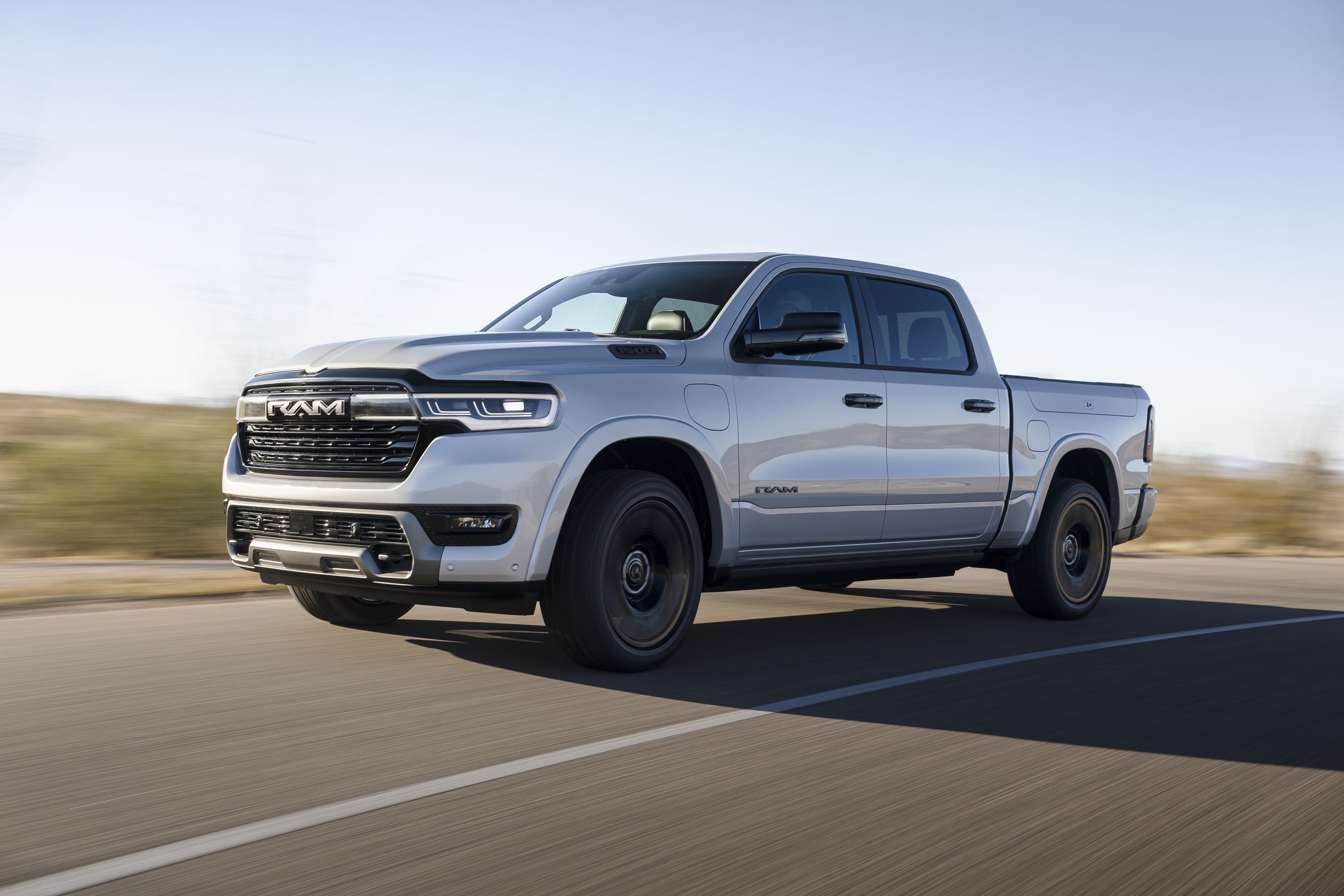
Stellantis brands Jeep and Ram have pushed back their extended-range EV launches by several months, signaling production challenges as the Detroit automaker ramps up electrification amid tighter EV margins and consumer demand uncertainty.
The Jeep Grand Wagoneer Hybrid will now enter production in November, delayed from an earlier timeline. More significantly, the Ram 1500 REV, Stellantis's flagship electric pickup truck, has slipped to spring 2025. These delays affect the company's ability to compete directly with Ford's F-150 Lightning and General Motors' Chevy Silverado EV, both of which are already in customer hands.
The Grand Wagoneer Hybrid represents Jeep's cautious approach to full electrification. Rather than launching a pure battery-electric vehicle in the three-row luxury SUV segment, Jeep opted for a hybrid powertrain that combines gasoline and electric motors. This decision reflects lingering consumer hesitation about EV range and charging infrastructure, particularly in the full-size SUV category where buyers expect towing capability and long-distance range without compromise. The hybrid strategy lets Jeep serve customers not yet ready for full electrification while maintaining premium pricing.
The Ram 1500 REV delay carries more weight. Ram's extended-range electric truck targets the heart of America's truck market, where EV adoption has lagged passenger vehicles. Ram positioned the 1500 REV with estimated range around 500 miles using a battery-electric powertrain with no gas engine fallback, directly competing with the F-150 Lightning's 300-mile EPA range option and GMC's Sierra EV. Pushing the truck to spring 2025 gives competitors additional time to capture early EV truck buyers and establish brand loyalty in this high-margin segment.
Stellantis faces mounting pressure on multiple fronts. The company's overall EV profitability remains underwater, with battery costs still elevated relative to selling prices. The European market demands fast electrification due to regulatory requirements, while the North American market moves slower and focuses on profitable segments like trucks and SUVs. Delaying the Ram 1500 REV suggests either supply chain constraints on battery cells or internal reassessment of market timing and demand forecasting.
These delays also reflect broader industry dynamics. Ford and GM have consolidated their EV truck launches and refined production after initial model year launches. Tesla continues dominating EV market share, pressuring legacy automakers to prove EV viability without cannibalizing gas truck sales. Ram trucks generate enormous profit margins for Stellantis, making the transition to electric tricky. Moving too fast risks alienating the truck buyers who fund the company's dividend. Moving too slow cedes market share to better-funded competitors.
The November timeline for the Grand Wagoneer Hybrid appears more stable, suggesting fewer technical hurdles for hybrid integration than full electric truck development. Hybrid vehicles rely on proven architectures and mature supply chains, reducing execution risk compared to Ram's all-new EV platform.
For consumers, these delays mean limited EV choices in premium three-row SUVs and electric trucks for the remainder of 2024. Buyers shopping now face the existing Tesla Model X, BMW iX, and Mercedes EQE as three-row electric options, with Ram's truck-specific EV solution pushed into next year.